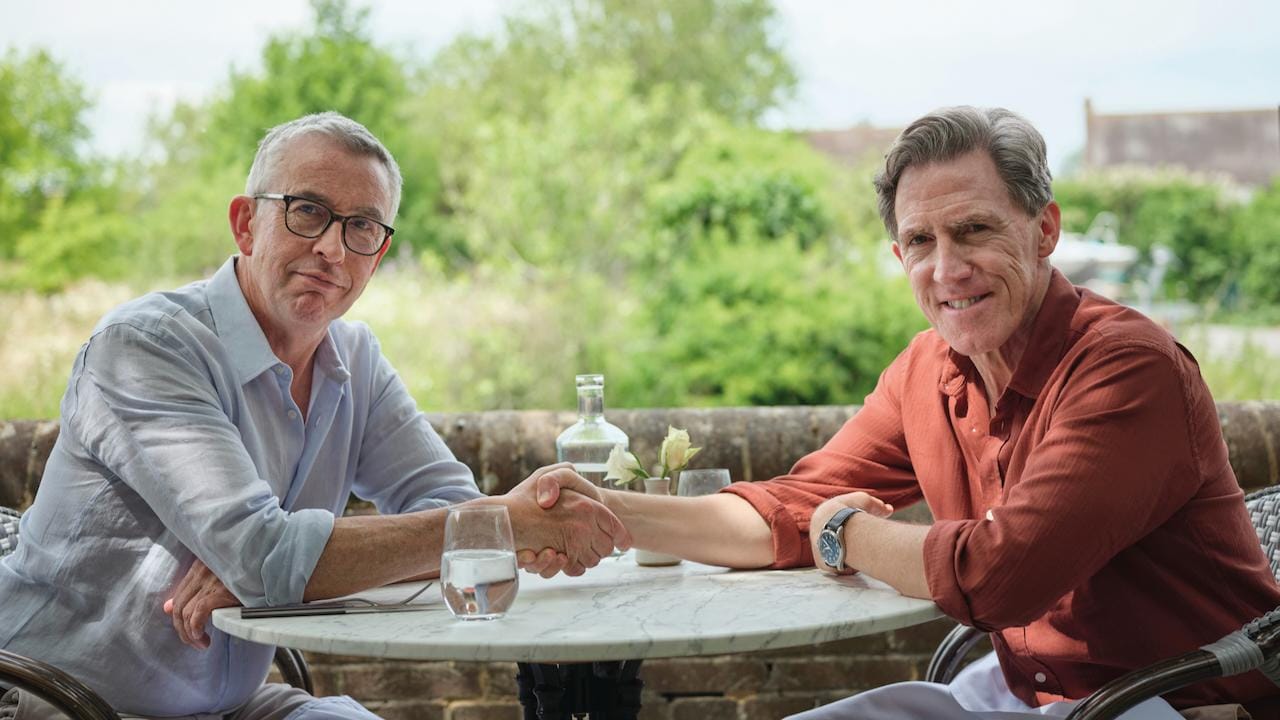
Two men have lunch, compete over impressions and find ways to irritate each other. The Trip makes that look like a holiday someone happened to film.
The work behind it is more deliberate. Michael Winterbottom gives Steve Coogan and Rob Brydon a structure, then leaves space for conversations that neither performer could have written alone.
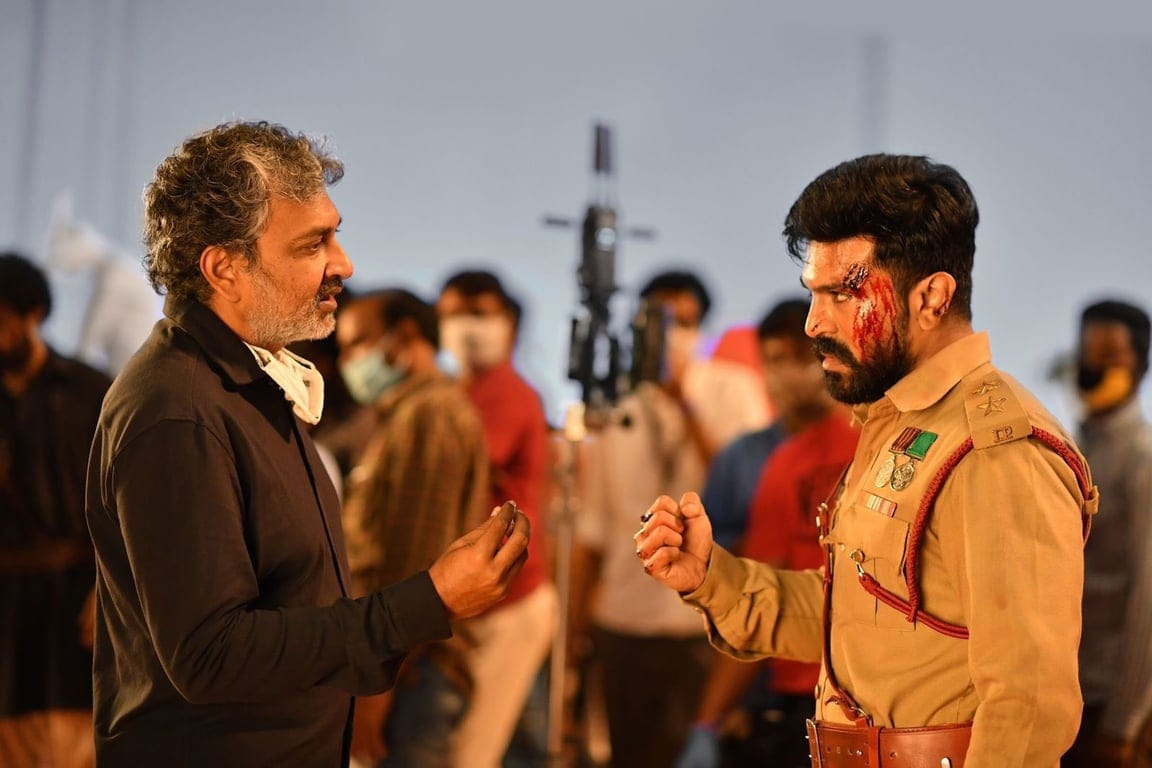
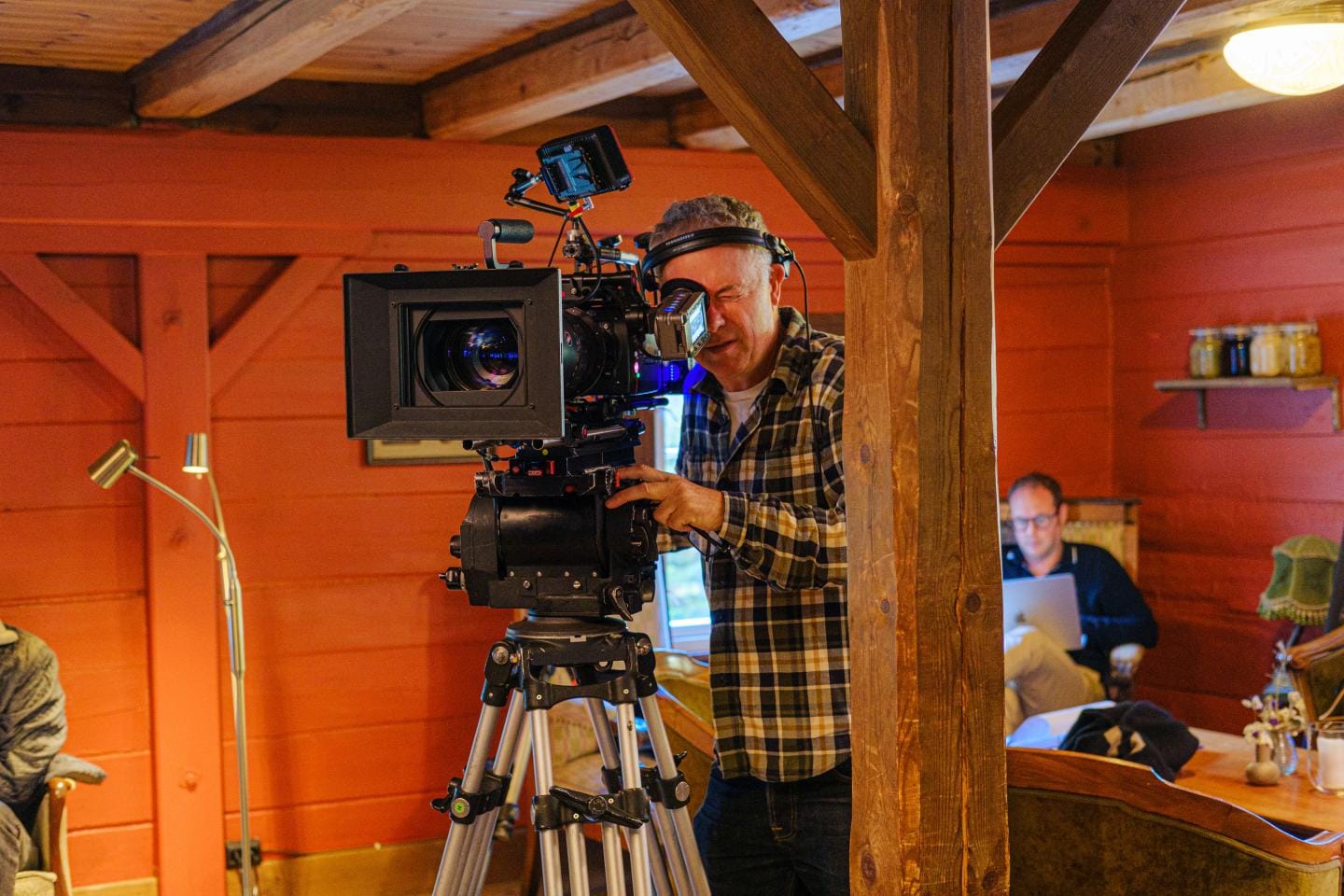
Cover: Michael Winterbottom filming The Trip to the Northern Lights. Production photograph published by the BFI.
The idea that made its stars nervous
The partnership had already worked on A Cock and Bull Story. But extending their improvised exchanges into a whole restaurant tour was a bigger proposition.
In his 2011 BAFTA backstage interview, Coogan recalls the anxiety about having so little scripted dialogue. Winterbottom wanted them to travel as restaurant reviewers and discover the conversations along the way.
Coogan won that year’s BAFTA for male comedy performance for The Trip. His backstage instinct was to share the credit with Brydon. The performance depended on someone across the table.
Improvised does not mean unprepared
Winterbottom told the BFI in October 2026 that each series begins with roughly 80 to 90 pages of outline, plus research. A scene has a little opening dialogue; recurring story beats are established in advance.
They then film each meal for four or five hours. Most of what Coogan and Brydon say during that time is improvised.
Those two facts belong together. Preparation gives the performers something to push against. The camera can follow an unexpected turn without the production losing all sense of where the journey needs to go.
Three different jobs inside one conversation
- The outline: establish the situation and the destination.
- The performers: discover the exchange through listening and responding.
- The edit: decide what the exchange contributes to the whole.
Saving the first conversation for the camera
In their British GQ conversation, the pair describe a small but revealing discipline: holding back a promising discussion until the cameras are running.
You can repeat a conversation for another angle, but the first response has a different energy. Someone is genuinely hearing the thought, deciding what to do with it and surprising the other person.
They also discuss giving each other material. A funny line still has to suit the character who delivers it. The goal is not simply to claim the most laughs.
That is a useful way to watch their apparent rivalry. On screen, each man may be trying to win. Behind that is the cooperation needed to make the scene work.
Why they use their own names
The GQ interview also reveals that Coogan and Brydon had wanted fictional character names. Winterbottom kept their real ones.
In Sundance’s interview, the collaborators describe characters built by exaggerating real traits. The result is recognisable without being a documentary account of the actors’ private lives.
That distinction gives the comedy room to become melancholy. The conversation can move from an impression to ageing or disappointment without announcing a change of genre.
It also asks something of the audience: enjoy the resemblance, but do not treat a fictional character’s predicament as biographical evidence.
The edit does not have to keep the cleverest joke
In their Trip to Italy stage conversation, Coogan describes initially resisting Winterbottom’s editing approach. The director was not always cutting for conventional comic rhythms.
The discussion becomes especially interesting when they describe material that feels too polished. A beautifully constructed line can expose the machinery of a scene that is supposed to feel casually discovered.
Their account also allows for laughter to remain in a scene. A performer reacting to the other person need not automatically be an unusable take.
For an editor, this creates a more interesting decision than choosing between funny and unfunny. Does a moment strengthen the relationship? Does it feel alive? Does it belong at this point in the journey?
Why the same project can be television and cinema
Winterbottom’s BFI interview connects the format to financing. A television commission can support a production that also finds an international life as a feature. He describes this as a workable route for The Trip, not a funding formula available to every filmmaker.
The useful question is whether different versions genuinely serve the material. A series has room for repetition and gradual shifts; a feature needs its own shape. Cutting down the running time is only the beginning of that decision.
The next journey, with the same creative question
Sky’s guide lists six episodes for The Trip to the Northern Lights; its broadcast date remains unconfirmed as of 19 October 2026.
The new setting is Scandinavia. Winterbottom discusses its restaurants and landscapes in the BFI interview, where the first two episodes were announced for the London Film Festival.
The lasting interest is the process. How much can you prepare while leaving room for a genuine surprise? The Trip turns that question into something we can watch happening between two people.
For another comedy shaped through writing and performance, read how Superbad came together. For a different approach to directing actors, explore Philip Barantini’s route to Boiling Point and Adolescence.
Making your own film? Create a free Vidreno account to start sharing your work.