Takashi Yamazaki had reached the job he wanted, then noticed something missing. He was supervising visual effects, but the films coming through the company had no giant monsters, spaceships or robots. To make those pictures, he decided he would have to direct them. To get to direct, he started writing.
That is how he describes his turning point in a JAPAN HOUSE Los Angeles conversation. It makes a useful beginning for a career often introduced through its spectacular endpoint: the visual effects Oscar for Godzilla Minus One.
His path runs through miniature building, nostalgic neighbourhood dramas, animation and historical spectacles. With Godzilla Minus Zero approaching its November cinema release and Grandgear ahead, the interesting question is how those different jobs became one way of making films.
From Matsumoto to the effects workshop
Born in Matsumoto, Nagano, on 12 June 1964, Yamazaki grew up captivated by Star Wars and Close Encounters of the Third Kind. His IMDb profile confirms his identity and birthplace; Shirogumi’s biography describes those films as formative influences.
After art school, he joined Shirogumi in 1986. His early work included special effects and digital compositing on films by Juzo Itami. The eventual director learned inside a company where making a convincing image was a practical, collaborative job.
At JAPAN HOUSE, Yamazaki recalls building miniatures before being asked to supervise effects while still in his twenties. He enjoyed the responsibility. The frustration was creative: he wanted the fantastic subjects that had drawn him into cinema in the first place.
Writing gave him a route towards that work. In his telling, the roles accumulated because each solved the next problem. He needed a project before he could direct, and a script before he could have a project.
Yamazaki began writing to create the films he wanted to direct. His effects experience then helped him understand how to realise the images on the page.
The breakthrough beyond science fiction
Juvenile brought his directing debut in 2000, followed by Returner in 2002. But the major domestic breakthrough was Always: Sunset on Third Street in 2005, which won twelve Japan Academy prizes, including picture and director.
Here, visual effects helped recreate the atmosphere of an earlier Tokyo. The neighbourhood and its people mattered as much as the technical achievement. It is an important part of the route to Godzilla Minus One: Yamazaki’s filmography had room for ordinary lives as well as extraordinary events.
His subsequent credits expanded across genres. Space Battleship Yamato arrived in 2010, The Eternal Zero in 2013 and Stand by Me Doraemon in 2014. Fellow Shirogumi filmmaker Ryuichi Yagi was a directing collaborator on the Doraemon films, a reminder that this career includes shared animation work as well as solo directing credits.
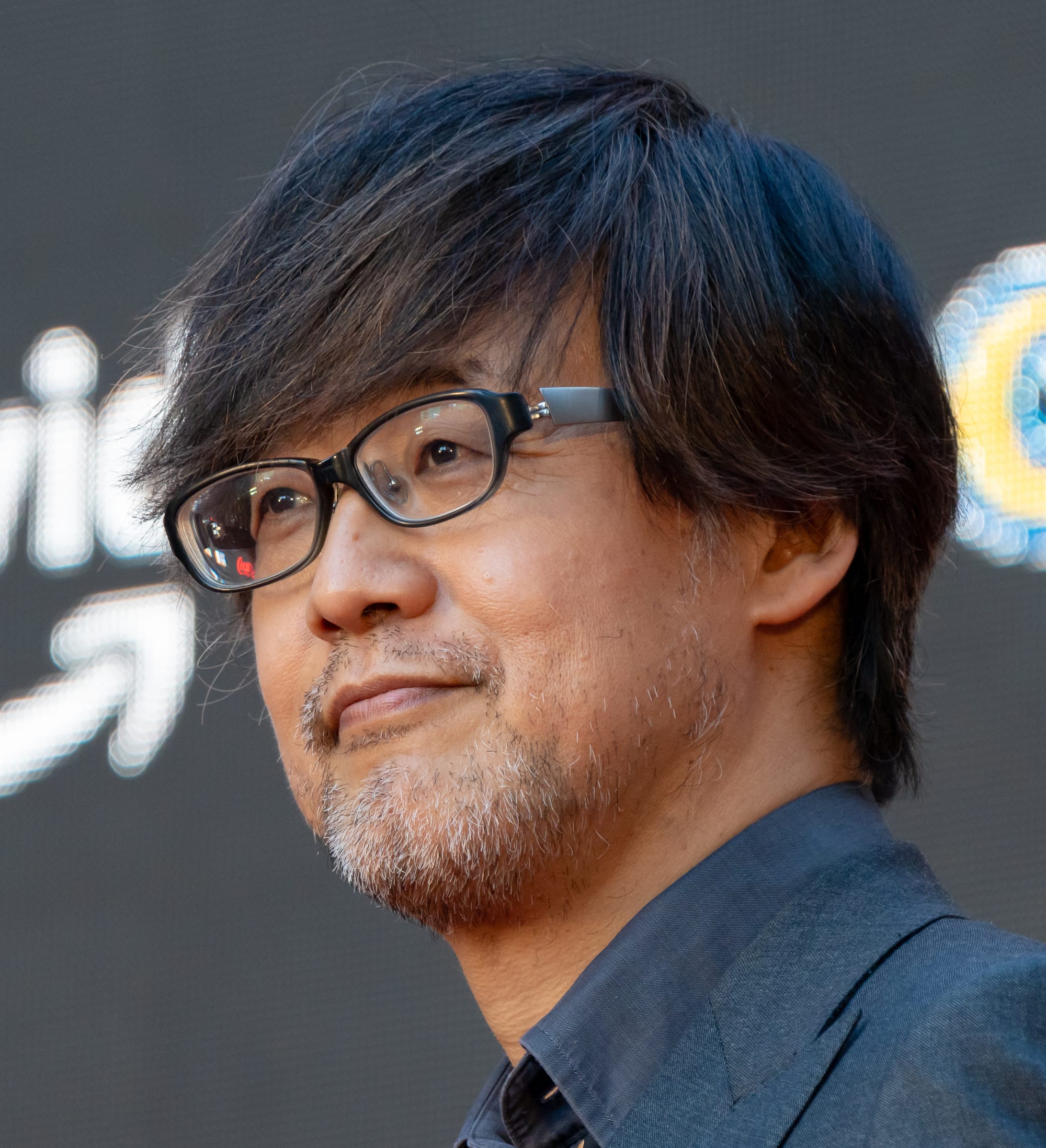
A career moving between different kinds of worlds
The Parasyte films of 2014 and 2015 took him into bodily horror. Fueled followed in 2016, then Destiny: The Tale of Kamakura in 2017. In 2019 alone, his credits included The Great War of Archimedes, Dragon Quest: Your Story and Lupin III: The First.
Those credits need their distinctions: IMDb lists him as general director on Dragon Quest, while Stand by Me Doraemon 2, released in 2020, is a shared directing credit. Ghost Book followed in 2022, before Godzilla Minus One in 2023.
Seen together, the films resist a neat division between an effects career and a directing career. Yamazaki kept returning to stories that required invented or reconstructed worlds, while changing the people and emotions at their centre.
Writing, directing and finishing the same film
Asked how he managed three demanding roles on Godzilla Minus One, Yamazaki describes a sequence. First he wrote, then he directed, then he supervised visual effects. He was not carrying out every task simultaneously.
The consequences did follow him, though. During filming he could question the writer who had conceived a difficult scene. In post production he could regret the director’s promise to fix something later. Both people were himself.
His practical advantage was proximity. In the interview’s production discussion, he describes visiting artists at their desks, responding to a shot and redirecting work before it drifted too far from the intended image. Familiarity with effects gave him a way to communicate decisions quickly.
The collaborators behind the Oscar
The 2024 visual effects Oscar belongs to four named recipients: Yamazaki, Kiyoko Shibuya, Masaki Takahashi and Tatsuji Nojima. The Academy’s winners record makes that shared achievement clear. Toho’s account identifies Shibuya as visual effects director, Takahashi as 3D CG director and Nojima as effects artist and compositor.
His working relationship with composer Naoki Sato offers another revealing example. Yamazaki recalls receiving early music that sounded unusually dark, then finding that it worked when paired with the footage. He had learned to trust Sato’s judgement over years of collaboration.
For the Wadatsumi operation, Yamazaki initially wanted an original composition. Sato argued for Akira Ifukube’s classic Godzilla theme. When they matched it to the sequence, Yamazaki says the combination gave him goosebumps. A filmmaker with several major responsibilities still needed collaborators who could challenge a choice.
Godzilla Minus Zero and the next chapter
As of 27 October 2026, Toho’s release schedule lists Godzilla Minus Zero for 3 November in Japan, 5 November in Greece and 6 November in the United Kingdom and United States.
Beyond Godzilla, Screen reports that Grandgear will be his English language directing debut. Shirogumi’s biography currently lists the project for 2028. Those are forthcoming steps, rather than completed achievements.
The thread through the career remains remarkably consistent: the desire to make particular images led him into a workshop, then into writing, then behind the camera. The Oscar brought that work to a much wider audience, but it came after decades of films and working relationships.
For another route from an established national film industry to a global audience, read our S. S. Rajamouli career story. For the craft of building creatures around a dramatic world, explore how Pan’s Labyrinth was made.
Follow Yamazaki’s own updates on X at @nostoro, linked from his IMDb profile, and use his IMDb filmography to explore the credits.
Making a film of your own? Explore Vidreno as a place to share your work with an audience.