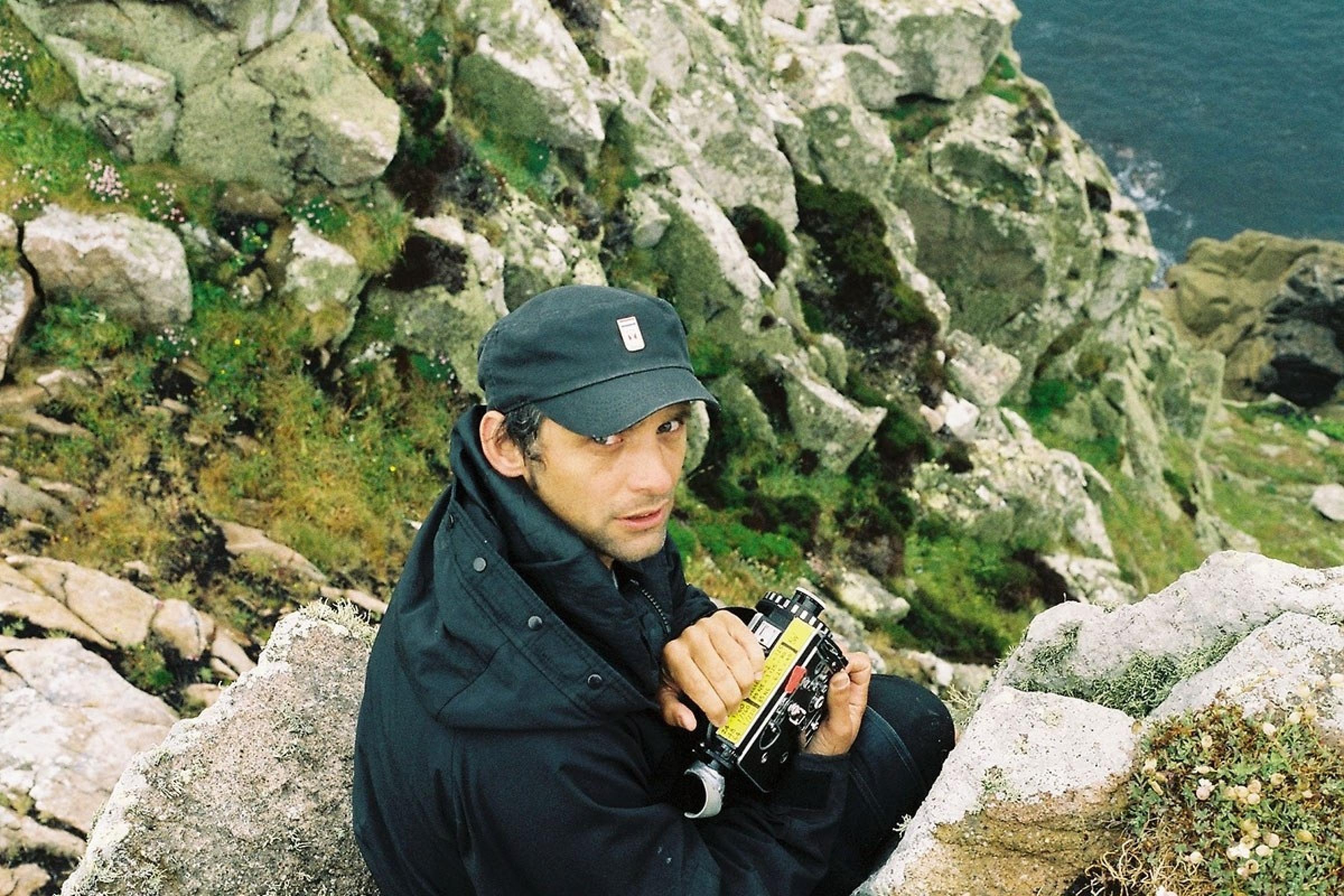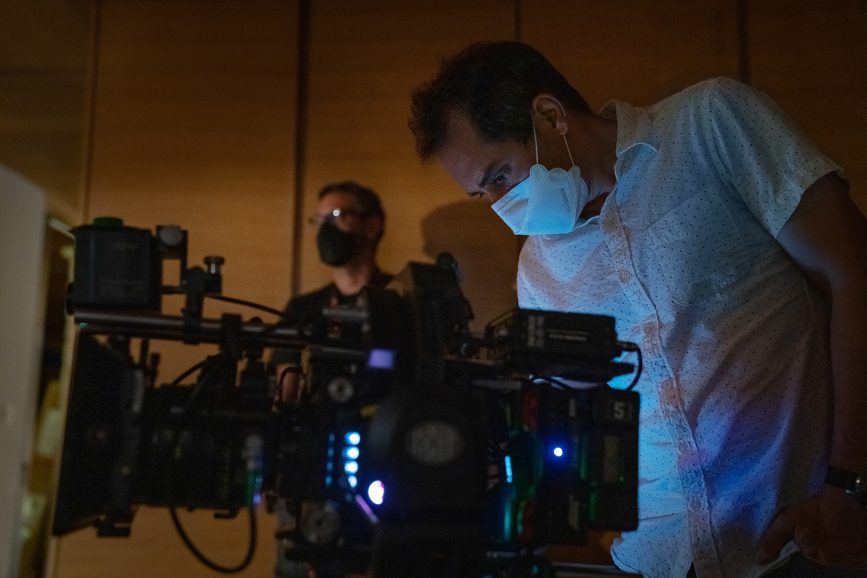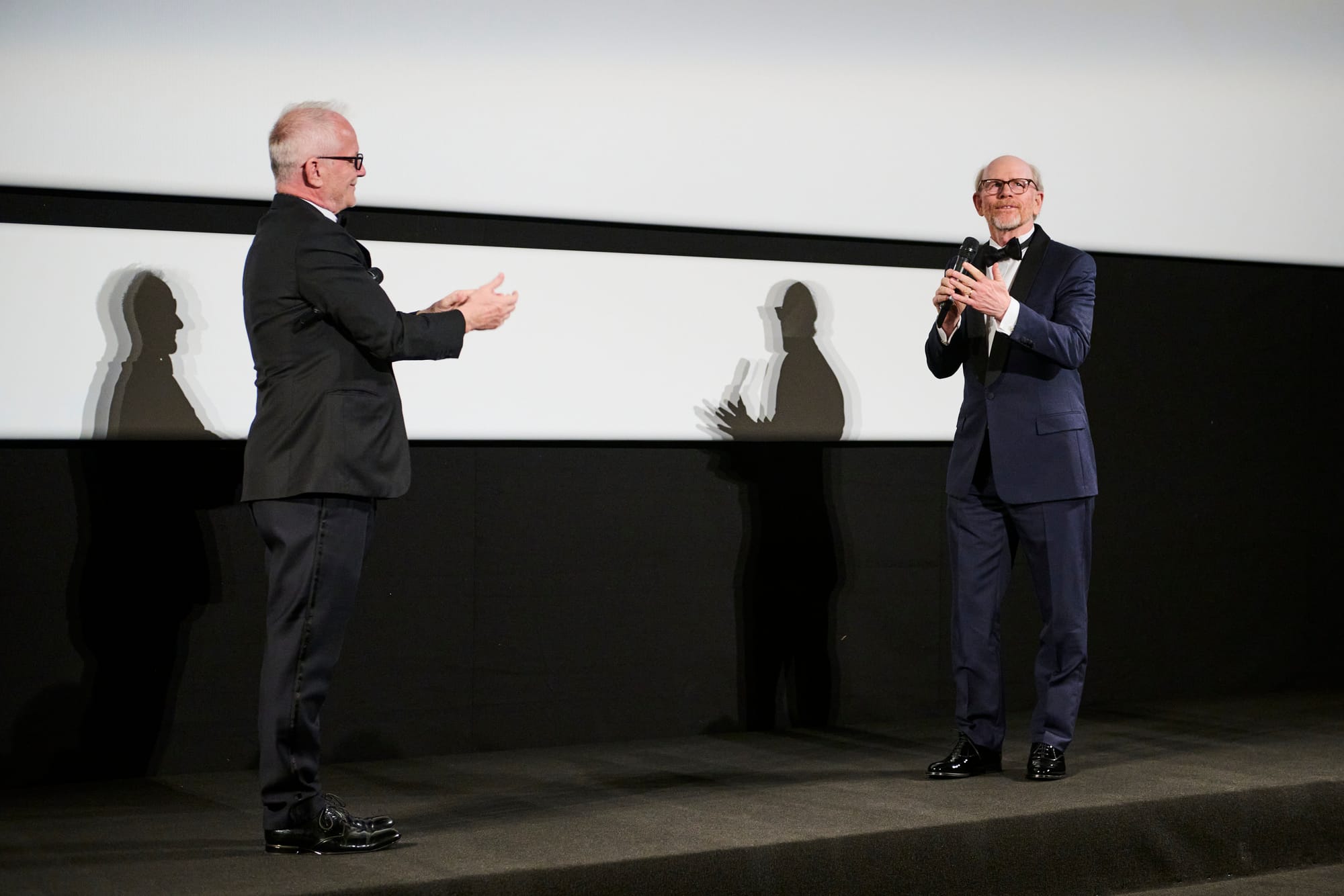
Cover: Ron Howard speaking before the Avedon premiere at Cannes, 17 May 2026. Photo: Gabriel Hutchinson / WikiPortraits, CC BY SA 4.0.
Before Ron Howard could work with a real sound crew, his father recruited someone to dangle a can from a mop handle. The improvised boom was part of a rehearsal for a screen test. Rance Howard wanted his small son to ignore the equipment, watch his scene partner and listen.
Howard recalled the exercise in his BAFTA A Life in Pictures interview. It is a telling beginning for a director whose films so often depend on watching people respond to one another, whether they are astronauts facing catastrophe or a television interviewer confronting a former president.
A childhood spent learning on set
Born in Oklahoma in 1954, Howard grew up with parents who worked as actors. Rance and Jean Speegle Howard made performance part of family life; Ron and his younger brother Clint would both build careers in the business.
The Journey, released in 1959, took him to Vienna while he was still a child. The Music Man followed in 1962. But television made his face familiar: he played Opie, the sheriff’s son, on The Andy Griffith Show, then later Richie Cunningham on Happy Days. The Television Academy’s career record recognises both roles as the foundations of his early prominence.
Those were lengthy apprenticeships, not brief encounters with a film set. He watched rehearsals, script discussions and actors adjusting their performances while also having to deliver his own.
Fame was useful, but directing was the ambition
George Lucas cast Howard in American Graffiti in 1973. The film placed him among a young ensemble rather than inside the familiar household of a television series. He later appeared alongside John Wayne in The Shootist, released in 1976. His IMDb credits show the overlap between this acting career and the filmmaking work that gradually replaced it.
Recognition did not automatically give him a director’s chair. In his Masters of Scale conversation, Howard described feeling behind schedule at 22. Roger Corman wanted him for Eat My Dust!; Howard wanted a chance to direct.
The resulting arrangement led to Grand Theft Auto in 1977, written with his father, with Howard starring and directing. It was a car chase comedy that fitted Corman’s business, rather than the different script Howard had originally hoped to make. He had found a practical opening by understanding what a producer could actually finance.
Leaving Happy Days in 1980 meant committing to that change. In his interview with Graham Bensinger, Howard revisited the decision to give up the familiar role and pursue filmmaking. The successful actor had to accept becoming a director whose prospects were still being tested.
Brian Grazer, Tom Hanks and the films that opened doors
Night Shift in 1982 paired Howard with producer Brian Grazer and reunited him with Happy Days colleague Henry Winkler, alongside Michael Keaton. Splash followed in 1984, with Tom Hanks and Daryl Hannah. A comedy set in a morgue and a romance about a mermaid were hardly identical propositions, but together they established a durable partnership.
Howard told BAFTA that the difficulty of getting Splash made cemented his relationship with Grazer. He also remembered discovering in the edit how well Hanks’s improvisations worked. Later, on Apollo 13, he noticed how compelling Hanks had become simply while listening.
Howard and Grazer went on to build Imagine Entertainment. The partnership gave producing and directing a shared home, while Howard’s films kept changing scale and tone. Cocoon combined ageing characters with science fiction; Willow brought him back together with Lucas for fantasy; Parenthood moved towards an ensemble of domestic worries. Backdraft took him into a very different physical environment.
That range is central to Imagine’s account of his career. Rather than remaining within the comedy that first established him, he moved between spectacle, family stories and historical drama.
Apollo 13, the Oscars and another kind of performance
Apollo 13 in 1995 reunited Howard and Hanks for a drama about the failed lunar mission and the effort to bring its crew home. It made professional competence and collective problem solving the substance of a thriller. The film received nine Oscar nominations, and Howard won the Directors Guild’s directing award.
A Beautiful Mind brought another defining collaboration, with Russell Crowe. At the 2002 Academy Awards, Howard won directing and shared best picture with Grazer. Jennifer Connelly won supporting actress and Akiva Goldsman won adapted screenplay. Its four awards reflected work across the production, not simply the person behind the camera.
Howard and Crowe worked together again on Cinderella Man. Hanks returned for The Da Vinci Code and its sequels, while Peter Morgan’s writing connected Frost/Nixon and Rush. The former made a televised interview into a contest between two men; the latter followed the rivalry of racing drivers James Hunt and Niki Lauda.
These films help explain why a single genre is an awkward description of Howard’s career. The subjects change, but a performance can still give the audience a way into a specialised world.
Returning to familiar worlds without staying in one
Howard also remained a television presence through producing and narrating Arrested Development. His voice became part of the comedy’s machinery, a markedly different use of his screen persona from the earnest young characters with whom he had started.
In the Heart of the Sea and Solo: A Star Wars Story continued the large scale fiction work. Thirteen Lives returned to a real rescue, dramatising the effort to save a Thai football team and its coach from a flooded cave. The link with Apollo 13 is easy to see: people with different skills must cooperate under extraordinary pressure.
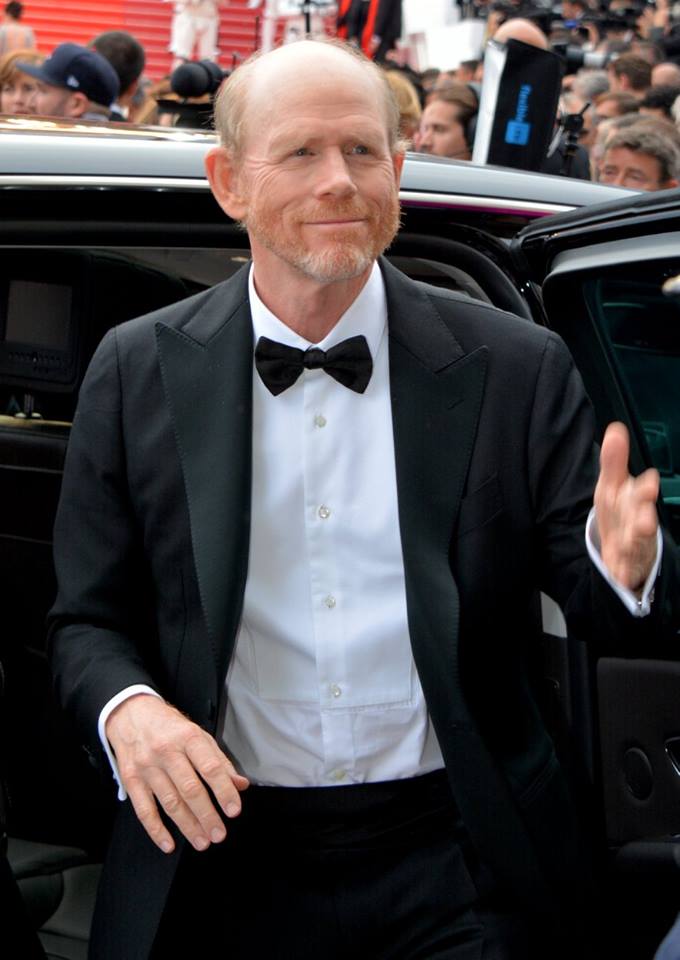
His recent fiction also includes Eden, written by Noah Pink, with Jude Law, Vanessa Kirby, Sydney Sweeney, Ana de Armas and Daniel Brühl. Its story of settlers seeking a new life in the Galápagos takes that interest in groups towards conflict and disillusionment.
The documentary years, and Avedon
The documentaries have developed alongside those features. The Beatles: Eight Days a Week and Pavarotti explored performers and their audiences. We Feed People followed José Andrés and humanitarian food relief. Jim Henson Idea Man brought Howard into another artist’s archive.
For the Henson documentary, the materials included personal photographs, home movies and drawings, alongside interviews with people who knew him. The challenge was to tell the story of the person doing the creating as well as the characters the public already loved.
Avedon continues that interest. Netflix confirms its 11 November 2026 release after its Cannes premiere. Produced by Imagine Documentaries and Fifth Season with the Richard Avedon Foundation, it draws on the photographer’s archive and the testimony of collaborators.
In his own essay about making Avedon, Howard describes beginning with curiosity about an artist’s working process and finding something broader: the ways a lifetime of making work can shape its maker. It is an apt subject for someone whose own working life stretches from childhood performance to directing other artists’ stories.
For another approach to building a film from an artist’s life and archive, read our Brett Morgen career story. Howard’s route is his own, but the documentary question is shared: how can a film reveal more than an already familiar public image?
Explore Howard’s work
- Browse Ron Howard’s acting, producing and directing credits on IMDb.
- Follow Howard’s verified Instagram account for his own updates.
- Read BAFTA’s original career interview transcript for more on the collaborations discussed here.
Making your own film available to an audience? Vidreno On Demand lets filmmakers offer public film purchases and rentals. You can start with a free account.