Superbad began with two teenage friends trying to write the kind of comedy they wanted to see. Getting it made took years. Finding the actors who could turn that private world into a believable friendship was another challenge entirely.
The finished film looks wonderfully loose. Behind that looseness were repeated rewrites, careful casting and a production that gave the performers room to try things without losing the story.
Two teenagers, one script and years of growing up
Rogen and Goldberg started writing Superbad at about thirteen. In his Off Camera interview, Rogen describes a project that began with high school sketches and recognisable incidents from their lives.
As the writers grew older, the film acquired a clearer destination. The scramble for a party became tied to college, separation and the prospect that a friendship might have to change.
That development is part of what makes the film work. A night out provides movement and escalating trouble. The approaching separation gives those events emotional weight: Seth and Evan want something they have not learnt how to ask for.
The Ringer’s interviews with the filmmakers describe the work behind that change. Jake Kasdan helped with structure, while Judd Apatow pushed the writers to follow the friendship through to a proper ending.
The sleeping bag and shopping mall sequences emerged from that process. Ending the adventure was not enough. The film also needed to show what the night had changed between the boys.
Studios were wary of the material’s adult language and behaviour. Rogen and Goldberg resisted making a softer version. The long wait gave them time to keep refining the screenplay before Sony took it on.
Finding Seth and Evan
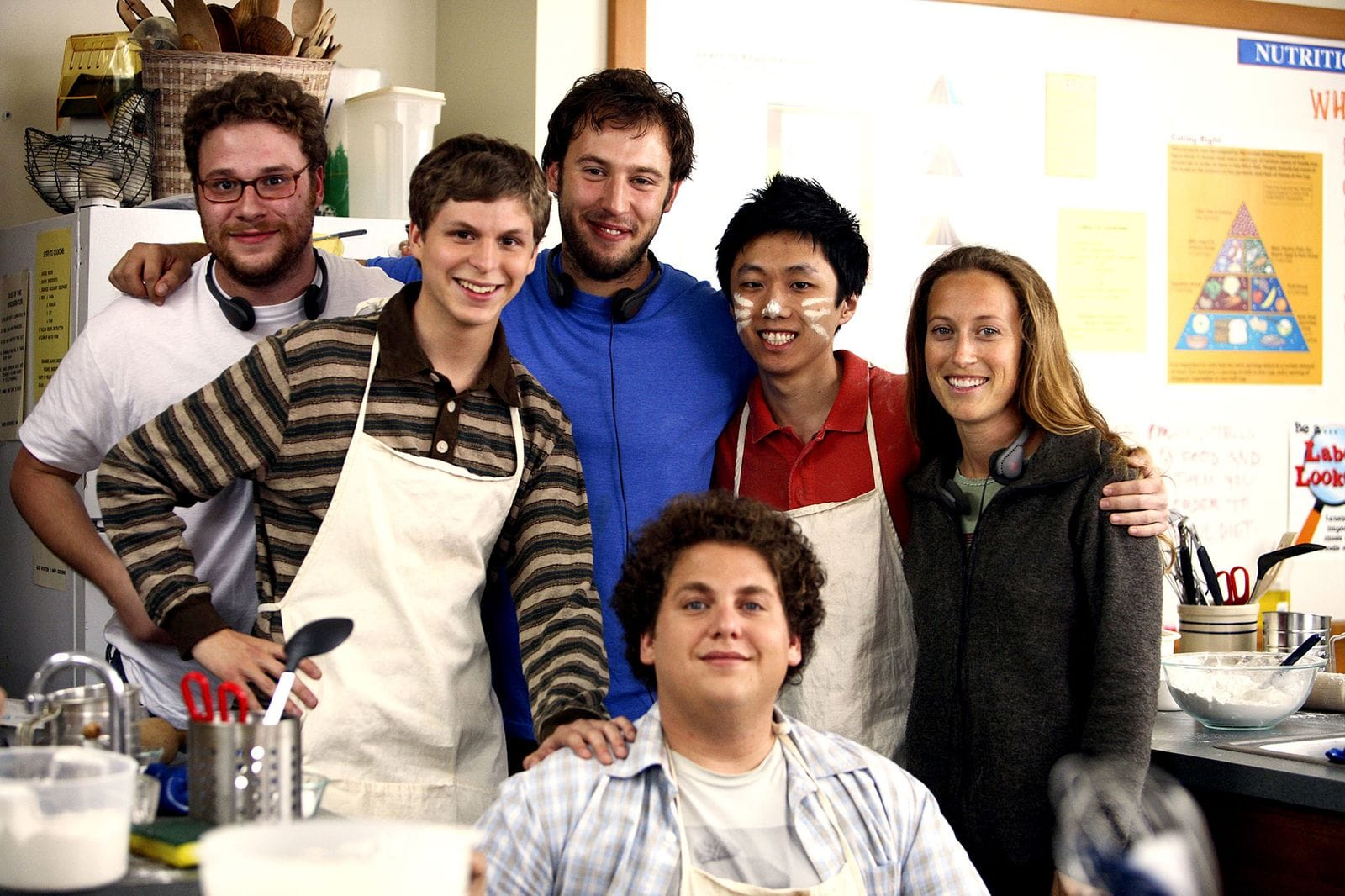
By the time Superbad reached production, Rogen had moved out of the teenage lead and into the role of Officer Michaels. Hill and Cera would play the friends whose names came from the writers.
Hill’s decisive audition was unusually informal. As he recalled to The Ringer, he made a tape in Rogen’s trailer during Knocked Up. It went to Sony executive Amy Pascal, and the team could finally see him in the part.
A casting decision can solve more than whether an actor delivers a joke. Here, Seth needed to be abrasive without making the friendship impossible to believe. Evan needed his own comic strength, even when he was quieter.
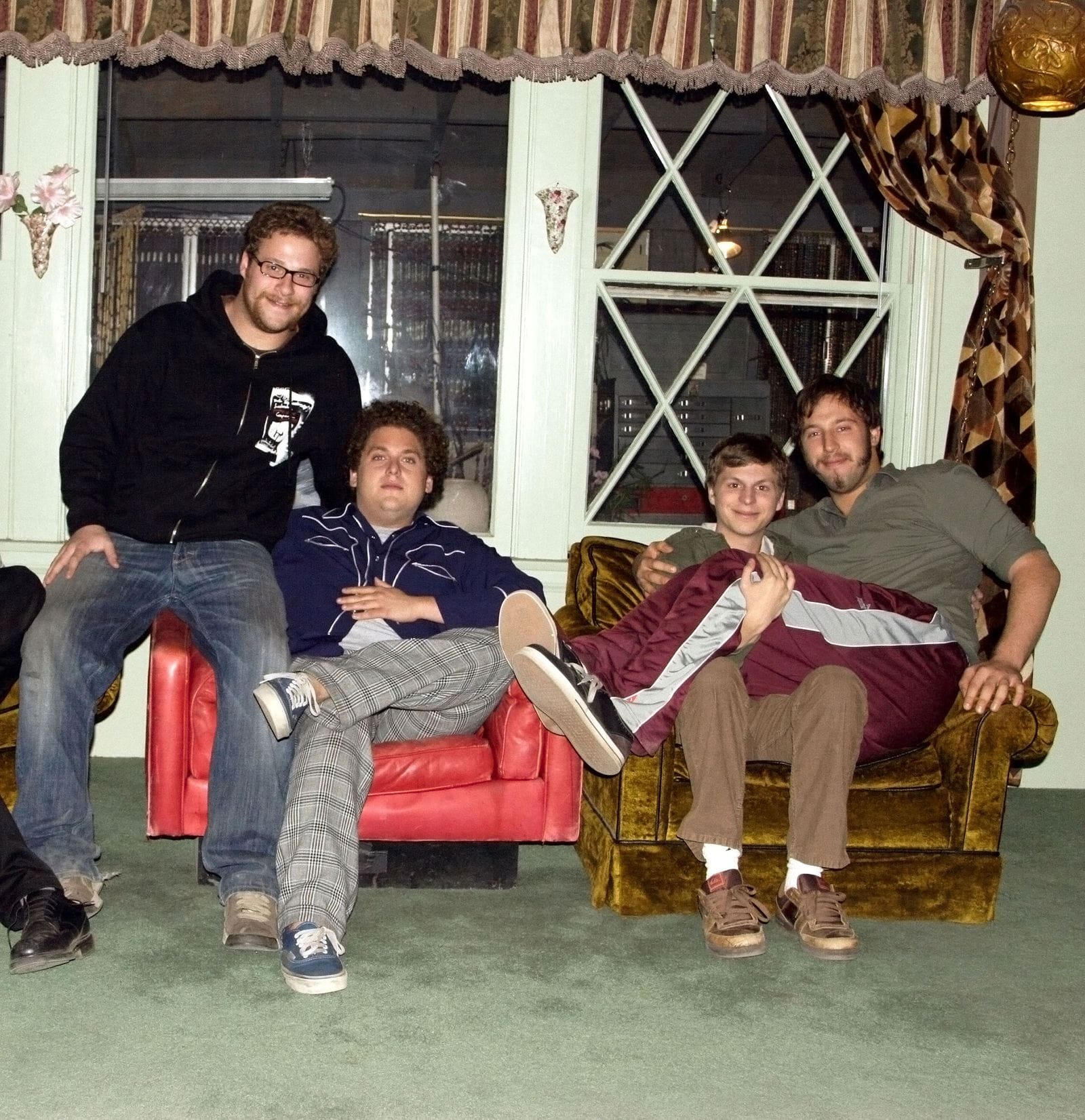
The time together mattered
During the original press tour, Hill and Cera told ComingSoon that they had spent time together before filming. Meals, music and films gave them common ground. They shared an enthusiasm for Weezer and the Coen brothers.
That is a useful detail because chemistry is often discussed as something that simply appears in an audition. Their account describes a relationship being built outside the scenes as well as inside them.
McLovin needed confidence, not just awkwardness
Casting director Allison Jones looked beyond established young actors, reaching out to schools. Christopher Mintz-Plasse came into the process as a school student and won the part of Fogell, the teenager whose fake identity becomes McLovin.
His willingness to push back against Hill in the audition caught the filmmakers’ attention. The Ringer’s account records Hill’s initial irritation and the team’s enthusiasm for exactly that dynamic.
The useful casting lesson is specific: Fogell could not merely absorb Seth’s insults. He needed to believe in himself strongly enough to resist him. That makes the three friends a changing relationship rather than a lead, a sidekick and a target.
Emma Stone and the value of a remembered audition
Emma Stone told Vanity Fair that she had read for Jones before Superbad. Those earlier meetings mattered: she was called back to read with Hill, and their scene developed into improvisation. Mottola liked her immediately.
Superbad became her first film. Casting was also a process of remembering people whose earlier auditions had not produced a job.
On set, freedom needed a reliable script
Hill described the shooting method to ComingSoon: first secure usable versions of the written scene, then explore alternatives. Extra takes gave the edit choices if a joke failed.
Cera made an equally useful distinction. The screenplay already contained developed jokes and dialogue. Improvisation could make an exchange feel more natural; it did not have to rescue an unfinished scene.
The single night structure imposed discipline. The characters still had to get from one situation to the next for understandable reasons. A funny detour that destroyed that chain would create a different problem.
Three jobs the preparation made possible
- A clear story: the friendship had an ending beyond whether the boys reached the party.
- Distinct relationships: each performer could change the energy of a scene, rather than repeat the same kind of joke.
- Options in the edit: the written scene remained available while alternative lines and reactions were explored.
These are connected decisions. A firm structure lets a director recognise which improvisations deepen a scene and which merely interrupt it.
Getting the film in front of an audience
The cast’s promotional bus tour is documented in the 2007 ComingSoon interview. Hill, Cera and Mintz-Plasse were travelling together, talking about the film and preparing for further appearances in Europe.
Sony’s official film page credits Mottola as director and Rogen and Goldberg as writers. The finished comedy is built around the boys’ last stretch of high school, but its making spans a much longer period of their creators’ lives.
What looks spontaneous on screen grew from years of work. The actors brought their own rhythms; the script gave those rhythms somewhere to go.
For another comedy shaped through writing, casting and practical production decisions, explore how Home Alone was made. If you are ready to share your own film, you can create a free Vidreno account below.