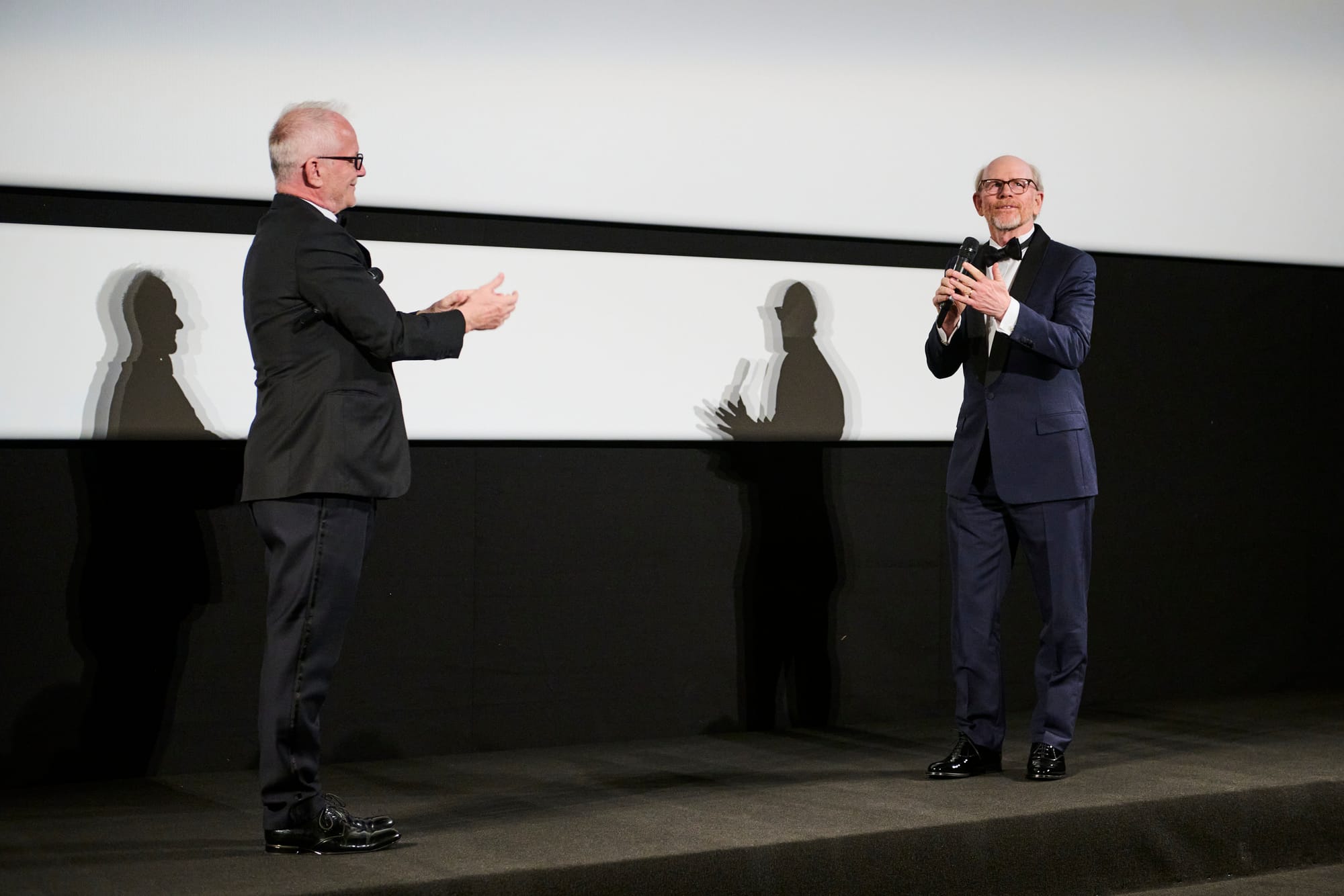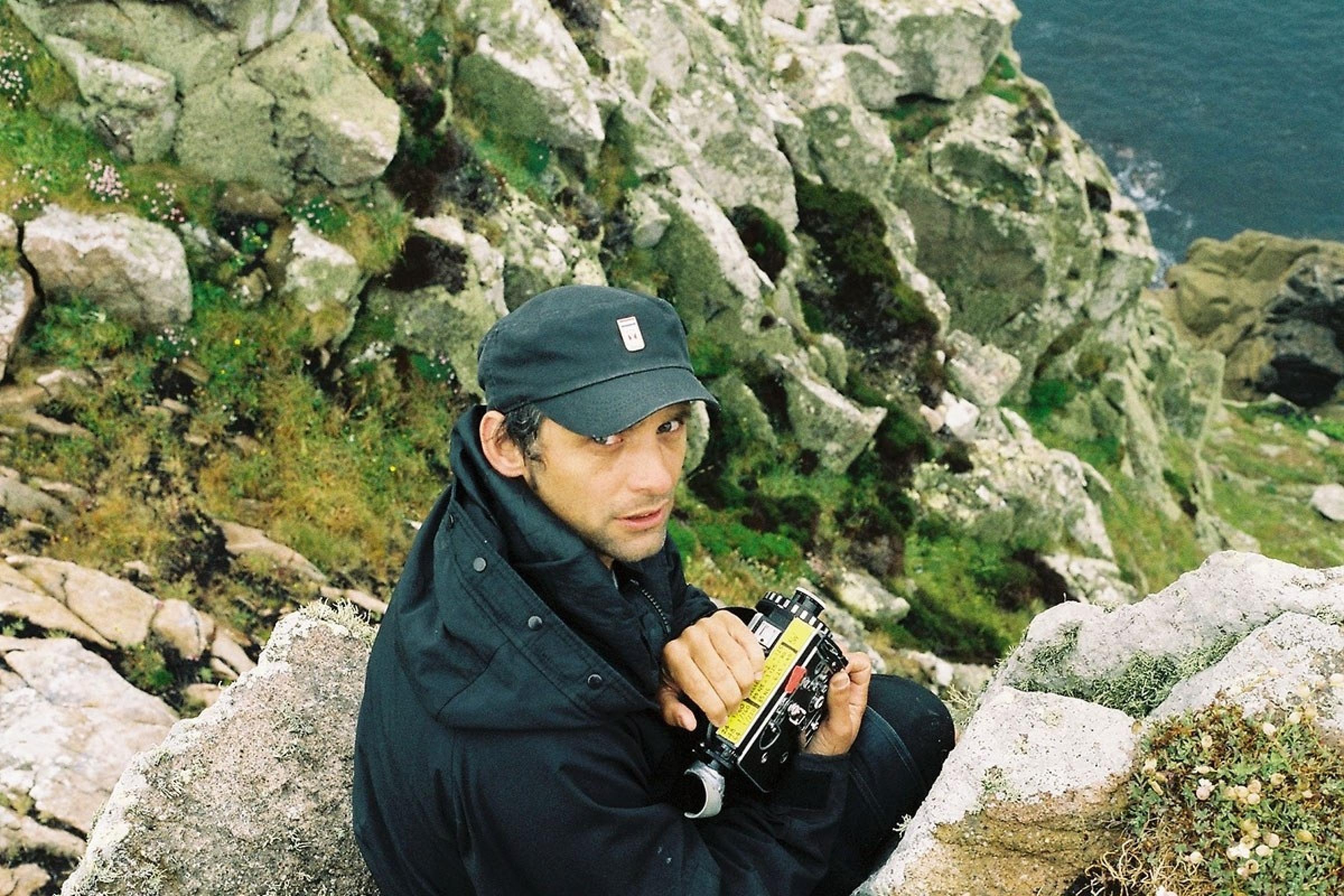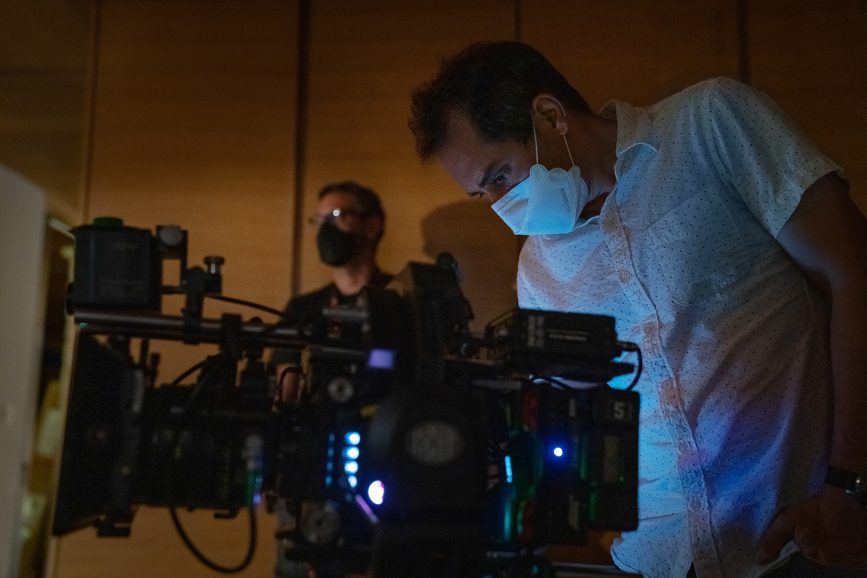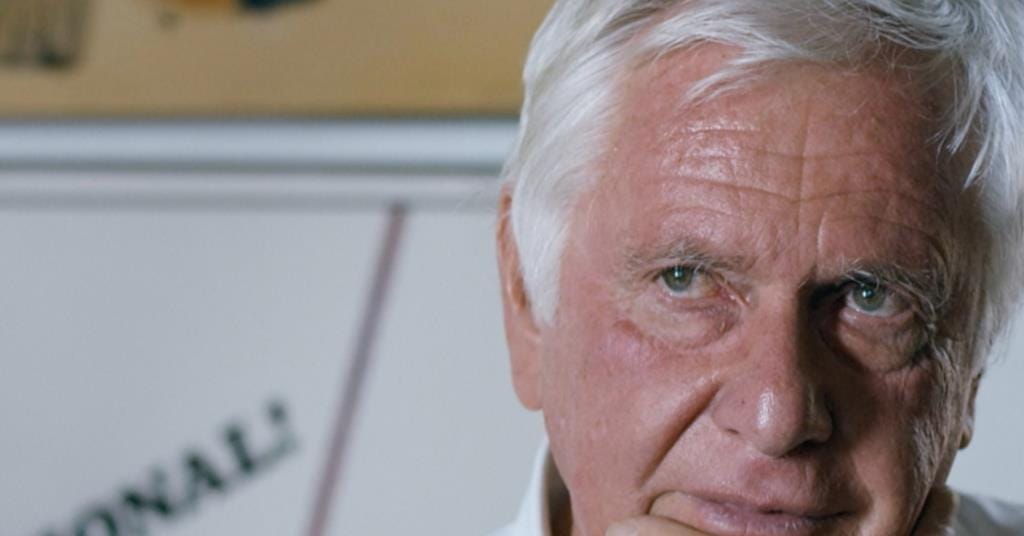
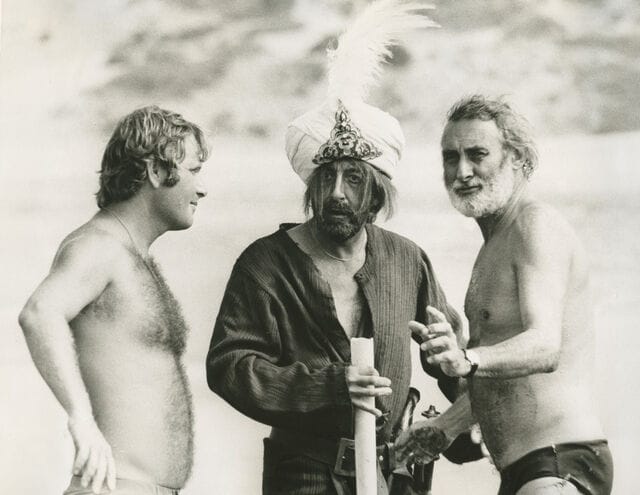
Cover: Peter Medak in The Ghost of Peter Sellers. Photograph: Christopher Sharman, still from The Ghost of Peter Sellers, published by Screen.
Peter Medak spent much of his career making other people’s stories. Late in it, he returned to a film he wished he could forget. The Ghost of Peter Sellers allowed him to revisit a disastrous production, speak to people who had been there and turn an experience that had damaged his confidence into another piece of work.
It was a fitting subject for a director whose career never stayed in one place. Medak moved from Budapest to British studios, from theatrical black comedy to haunted houses, and from feature films to American television. His family announced that he died in Los Angeles on 27 October 2026, aged 88, as reported by TheWrap.
The Ruling Class shows his taste for unruly performance and satire. The Changeling reveals his restraint with atmosphere and grief. The Krays and Romeo Is Bleeding take the career into crime, while The Ghost of Peter Sellers lets him examine his own working life.
Budapest, London and an apprenticeship in the departments
Medak was born in Budapest on 23 December 1937. His Jewish family’s wartime experience and the restrictions of the years that followed shaped a childhood in which films offered a view beyond the apartment. Speaking to students at the New York Film Academy in 2014, he remembered looking through the door’s keyhole to glimpse the world outside.
He left Hungary for England during the 1956 uprising. An opera singer aunt helped him find a trainee position at Associated British Pathé, a company producing documentaries. It gave him a practical route into the industry rather than a direct jump to directing.
The Directors Guild of America’s career history traces his subsequent work through Elstree, Pinewood and Shepperton, including assistant directing on The Great Armored Car Swindle and The Phantom of the Opera. Universal then brought him to Los Angeles under a television directing contract. That movement between departments, studios and countries became the foundation for an unusually adaptable career.
The breakthrough was bigger than one film
A Paramount deal followed in 1967. His first feature, Negatives, arrived in 1968 with Glenda Jackson and Peter McEnery. The stage adaptations A Day in the Death of Joe Egg, with Alan Bates, and The Ruling Class, with Peter O’Toole, both followed in 1972. These were films built around actors who could carry uncomfortable shifts of tone.
In The Ruling Class, Peter Barnes’s play became a savage comedy about the English aristocracy. O’Toole plays Jack, whose belief that he is God gives way to something more socially acceptable and much more frightening. Medak did not need to disguise the theatrical roots: performance, music and abrupt changes of register were part of the attraction.
Criterion’s edition preserves a commentary with Medak, O’Toole and Barnes, alongside Medak’s location home movies. Those are useful companion pieces because they put the director beside the actor and writer, rather than presenting the film as one person’s achievement. The film went to Cannes and earned O’Toole an Oscar nomination.
When a promising collaboration went wrong
The opportunity to direct Peter Sellers in Ghost in the Noonday Sun followed that early success. Shot in Cyprus in 1973, the pirate comedy ran into serious production trouble and never received the intended cinema release.
What matters in Medak’s career is the aftermath. In his 2016 interview with Filmmaker, he described carrying the blame long after the shoot ended. Producer Paul Iacovou eventually encouraged him to return to the subject. Medak’s initial reluctance gave way to the possibility of investigating it through a documentary.
That distinction is useful for filmmakers. A production can end without the people involved feeling that it is finished. Reconstructing what happened offered Medak a new task: looking again, interviewing collaborators and assembling evidence, rather than simply repeating the memory of failure.
The Changeling and the value of holding back
The Changeling in 1980 gave Medak another lasting film. George C. Scott plays a composer grieving for his wife and daughter who moves into a house with its own buried history. The story makes his loss part of the haunting, so investigating the building also means watching a man trying to live with absence.
Its atmosphere was collaborative work. The Canadian Film Encyclopedia identifies John Coquillon’s cinematography and Trevor Williams’s production design as central strengths. The film was shot in Vancouver and Victoria, although the story takes place in the United States.
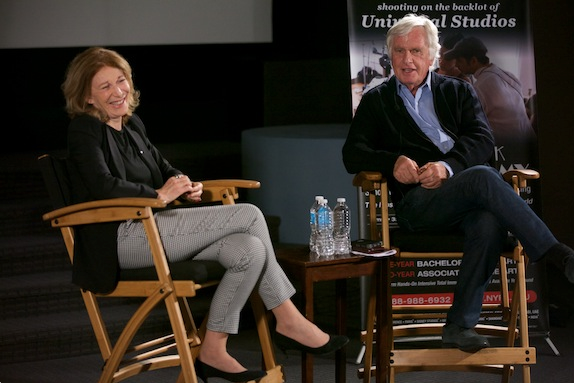
At his NYFA talk, Medak recalled being frightened by the screenplay on first reading. His advice about showing a ghost was revealing: the unsettling thing could be a suggestion at the edge of vision, rather than an apparition displayed plainly. It is a concrete account of how a director’s response to the page can become a visual choice.
Start with the feeling a scene produces, then decide how much the audience needs to see. His account of The Changeling makes restraint an active directing decision, supported by performance, photography and the space around the actor.
Crime films, television and a wider working life
Medak’s later features included The Krays in 1990, with Gary and Martin Kemp, and Let Him Have It in 1991. In 1993, Romeo Is Bleeding brought him together with Gary Oldman.
The range kept widening. The Hunchback in 1997 and Species II in 1998 sit alongside television work stretching from Faerie Tale Theatre and The Twilight Zone to Homicide: Life on the Street, The Wire, House, Breaking Bad and Hannibal. His IMDb filmography records the individual directing credits.
That television career belongs inside the story of Medak’s work, rather than as a footnote after the famous films. It required him to enter existing worlds, work with established casts and make an episode serve a larger series. For another route through the same television landscape, read Luis Moncada’s story of reaching Breaking Bad.
Returning to his own story
The Ghost of Peter Sellers premiered in 2018. In his 2020 Letterboxd interview, Medak explained that returning to the locations was both pleasurable and sad. He also described documentary as a freer form than scripted filmmaking: he could follow where the encounters and places led him.
There was another revealing connection. During Romeo Is Bleeding, Oldman had suggested making a film about the troubled Sellers production, with Oldman playing Medak. That version was never made. Years later, Medak found a form in which he could appear as himself.
The career ends up looking less like a straight ascent than a series of returns: to actors, to uneasy humour, to ghosts and eventually to an experience he had tried to put away. His willingness to examine it gives younger filmmakers something more useful than an immaculate success story.
Hear Medak explain the work
Jog Road Productions’ career interview covers Universal, observing Hitchcock on Marnie, adapting theatre and working with actors and cinematographers. It is a useful way to hear the continuity between jobs that otherwise look very different on a filmography.
- Explore the career: the DGA visual history and IMDb credits provide complementary records of the films and television work.
- Follow the interview source: Jog Road Productions’ YouTube channel publishes further conversations with filmmakers.
- Look at production under pressure: our account of how Jaws was made follows another crew dealing with the practical difficulty of filming at sea.
Bringing a film of your own to an audience? Explore releasing it through Vidreno On Demand with a free Vidreno account.