In late 2024, on the way to Cologne, two filmmakers realised they might need a camera. They had come from London to talk to Tarek, a Syrian father they had known for years. For once, they had left the camera at home. By the time they arrived, the Assad government had fallen. Jack MacInnes and Itab Azzam had to find a camera in Germany to record the reaction of a man whose family they had followed all the way from Turkey.
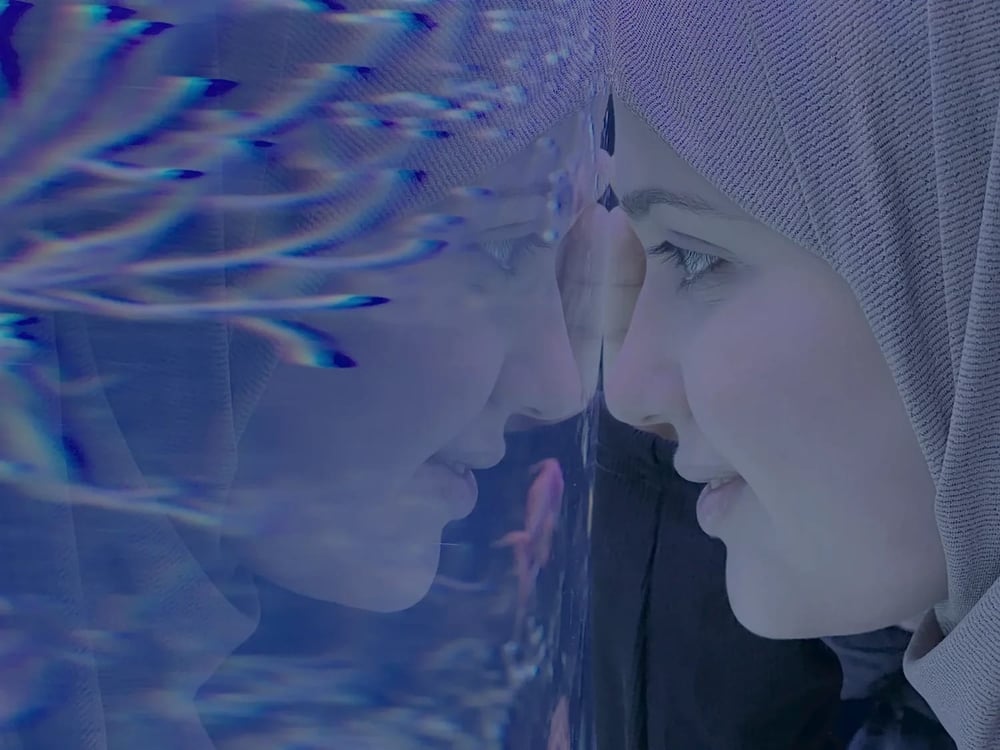
Those pictures came near the end of a decade of filming. The couple’s original idea for One in a Million would have taken them only as far as the family’s arrival in Germany. What kept them coming back was Tarek’s daughter, Israa. She was eleven when they met in 2015. She would grow up, pick up the camera herself and eventually go back to Aleppo.
Cover still. Israa in One in a Million. Courtesy of KEO Films and Jack MacInnes.
The girl in the square in Izmir
In Turkey, Azzam and MacInnes had spent a fortnight trying to follow families making the crossing to Europe. More than once, a journey they hoped to film had fallen through. One day in a square in Izmir, Azzam was standing with her camera when a girl came up and spoke to her. Israa was selling cigarettes. She and her father wanted to tell their story.
In their introduction for Sundance, the directors describe travelling alongside the family. The question then was whether everyone would get to safety. By Germany, Israa and Tarek were living through quite different versions of what came next. Israa learnt German and wanted to play football and go swimming. Her father, who had run a shawarma business in Aleppo, was at home, unable to work. Their relationship gave the directors a reason to ask if they could keep filming.
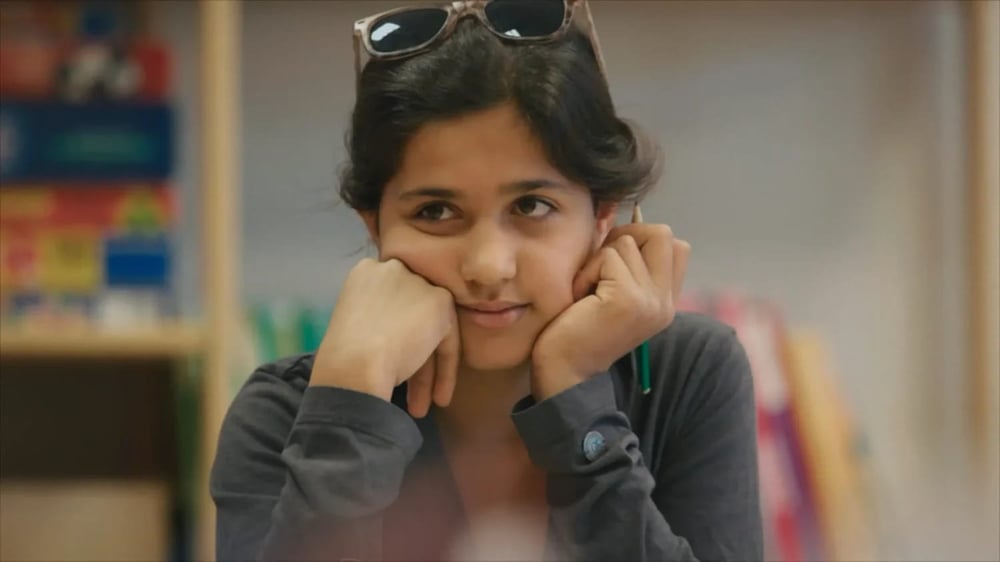
Three years of paying for the next shoot
Staying with the family meant finding money for a film nobody had originally commissioned in this form. There had been funding for the journey. For three years afterwards, MacInnes says, the directors paid their own way. Given a choice between hiring a studio and being there as something happened, they spent the money on filming. Studio sessions became possible again when BBC Storyville and FRONTLINE came on board. The directors describe that stretch in The Moveable Fest.
A decade on a film did not mean ten uninterrupted years behind a camera. Other jobs took the directors away and a pandemic interrupted travel. They also had a baby. Sometimes they left Germany knowing there was another scene they would have liked to stay for. In their Sundance interview, the pair remember time spent playing football with the children as readily as they remember a shoot.
Listening in three languages
In Izmir, Azzam could talk with Israa in Arabic. Later, in Germany, Israa could choose German when she wanted to say something her parents would not follow. MacInnes spoke it better than Azzam. Watch who is asking the questions and the shift means something quite specific. A girl who once depended on adults to decide where she could go now had a say in who could understand her answer.
Israa sometimes took the camera. The family could invite the filmmakers to come and record something, and could object to material they did not want used. The adult Israa joins the directors in their Next Best Picture interview. Hearing her talk about seeing her younger self gives the film a perspective neither director could supply.
What to leave in the edit
The interviews had an unexpected advantage. Each time Israa sat down, viewers could see how much older she had grown. In one session she wants to speak German and suggests her father go out for a cigarette. A transcript of her formal answers would have missed the little negotiation about who got to stay in the room.
Editors Iain Pettifer-Moth and Alec Rossiter faced a different choice with Israa’s mother, Nisreen. During the filmmakers’ early visits in Izmir, she and other women in the family would stay in another room while MacInnes was there. Later she spoke much more freely. The editors could have laid that later voice over the early footage and given the audience her explanation from the start.
In an AFI conversation about the edit, MacInnes explains why he wanted the audience to meet Nisreen in the order the filmmakers did. The time it took for her to get to know them was itself on screen. A confident voice recorded years later would have made those first visits look easier than they were.
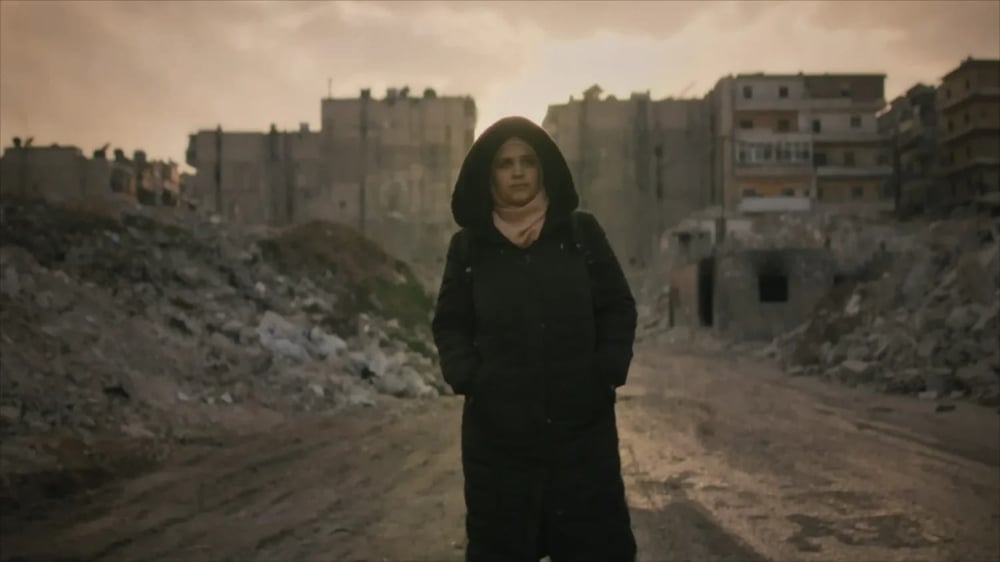
The film that reached Sundance
When Israa returned to Aleppo, the directors could put the city she remembered alongside the one the adult Israa could walk through. Going home now meant leaving a life she had built somewhere else. That was a question the filmmakers could scarcely have asked the child in the square.
The finished documentary runs 105 minutes. KEO Films produced it for BBC Storyville and FRONTLINE FEATURES. At Sundance in January 2026 it won both the audience and directing awards in World Cinema Documentary. The forthcoming YouTube premiere gives the family’s film a public screening before its US television broadcast.
Three places to hear the filmmakers at work
| Conversation | Where to start |
|---|---|
| Sundance Institute | 0:30 · Meeting Israa in Izmir |
| American Film Institute | 5:30 · Keeping Nisreen’s story in sequence |
| Next Best Picture | 15:30 · Who held the camera and who had a say |
- Find the cinematography, editing and music credits in the DOC NYC programme.
- For filmmakers considering their own release, read Should you put your short film on YouTube or sell it directly?