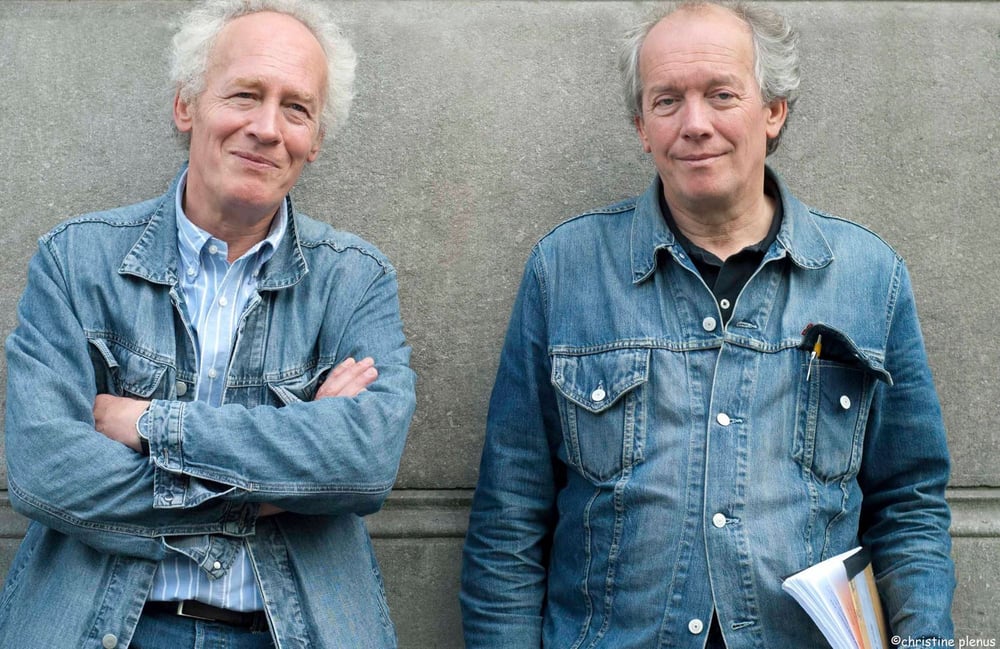
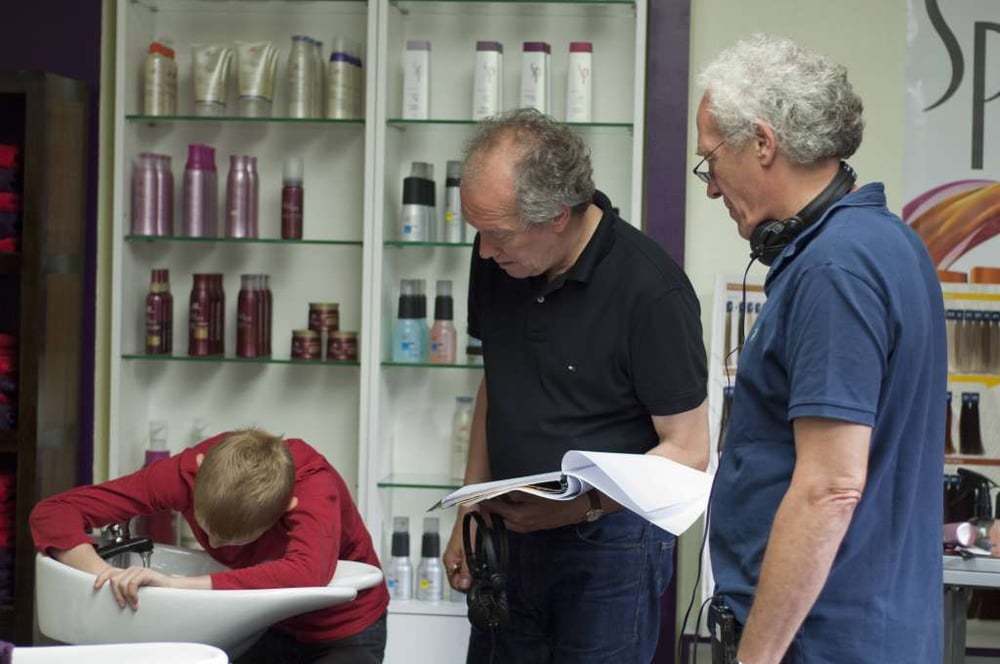
Jean Pierre and Luc Dardenne. Photo: Christine Plenus, published by the European Film Academy.
Jean Pierre and Luc Dardenne began with documentary work in Belgium. La Promesse established their distinctive fiction filmmaking in 1996; Rosetta brought international recognition in 1999. Their later films keep finding new forms for questions of work, responsibility and care.
A lifetime achievement award can make a career sound finished. For Jean Pierre and Luc Dardenne, it arrives while the brothers are still looking for the next film.
On 18 November 2026, the European Film Academy announced that the Belgian filmmakers would receive its Lifetime Achievement Award at the ceremony in Athens on 16 January 2027. The honour follows a career that has travelled far beyond the industrial communities where it began.
The thread connecting that work is intimate. Their characters need a job, a parent, a place to live or someone prepared to listen. The filmmaking makes those needs difficult to dismiss as somebody else’s problem.
Theatre, philosophy and documentary beginnings
Jean Pierre, born in 1951, and Luc, born in 1954, grew up around Seraing, near Liège. Their routes into filmmaking were different. Jean Pierre studied dramatic arts in Brussels and encountered theatre maker Armand Gatti; Luc studied philosophy and sociology.
Their official biography traces their early work through video and documentary projects concerned with the lives and history of the region. In 1975 they founded Dérives, which also produced documentaries by other filmmakers.
The fiction features came later. Falsch, released in 1987, adapted René Kalisky’s play. Je pense à vous followed in 1992. Neither was the beginning of an effortless climb towards Cannes recognition.
The failure that helped them find La Promesse
Luc’s published diary entries make the turning point unusually concrete. During the second week of shooting La Promesse in December 1995, he felt they were finally finding the filmmaking they had been seeking.
He connected that discovery to the failure of Je pense à vous. Starting again had forced the brothers to ask where the camera belonged, what it should reveal and what it should withhold. The question was practical before it became a recognisable style.
La Promesse brought Jérémie Renier and Olivier Gourmet into a relationship that would become central to the brothers’ cinema. It was selected for the Directors’ Fortnight in 1996. Luc’s diary records both the excitement of that invitation and the feeling that the brothers had worked together as closely as they had on their earliest documentaries.
Rosetta turned recognition into a breakthrough
In Rosetta, Émilie Dequenne plays a young woman whose search for work becomes a struggle to belong. The film won the Palme d’Or in 1999, while Dequenne shared the festival’s Best Actress award.
Its urgency is contained in the scale of that ambition. A job is not simply an item in Rosetta’s biography. It is something she must repeatedly pursue, lose and fight to recover.
The Cannes credits also show the collaborators behind the brothers’ developing language: cinematographer Alain Marcoen, editor Marie Hélène Dozo and production designer Igor Gabriel. The celebrated directing partnership was already supported by a wider creative team.
Start with La Promesse for the breakthrough in their method, then Rosetta for its physical urgency. Follow those with The Kid with a Bike and Two Days, One Night to see how different performers and situations expand the approach.
Returning collaborators, different moral pressures
The Son followed in 2002, with Gourmet winning Cannes’ acting prize. L’Enfant, also known as The Child, brought a second Palme d’Or in 2005. Renier returned, working alongside Déborah François.
Lorna’s Silence won the screenplay prize in 2008. Arta Dobroshi’s Lorna is an Albanian woman caught in an arrangement involving marriage, nationality and money. The story places personal responsibility inside a transaction that other people want to treat as business.
These are different dramatic situations rather than interchangeable social problems. An actor, a room and a particular decision give each film its own pressure. The continuity of collaborators allows the brothers to pursue that precision without having to reinvent every working relationship.
The Kid with a Bike: finding a way out for a child
The brothers explain the origin of The Kid with a Bike in a Criterion interview. During a visit to Japan, they heard about an abandoned boy who continued waiting for his father. Their dramatic question became what might interrupt a child’s apparently predetermined path towards further harm.
One writing decision is particularly revealing. The adult who offers help was initially a doctor. They changed her into a hairdresser, avoiding the too convenient symbolism of a professional healer. The bicycle gave the boy an immediate physical outlet for his anger.
The resulting film won the Grand Prix at Cannes in 2011. The interview shows how an apparently spontaneous encounter can emerge from careful decisions about a character’s occupation, movement and surroundings.
What Marion Cotillard learnt from the rehearsals
Two Days, One Night brought Marion Cotillard into their cinema in 2014 and earned her an Oscar nomination the following year. Her Film at Lincoln Center conversation explains the work beneath the finished performance.
She describes a month of rehearsals, with the movement of camera and actors treated almost as choreography. On the second shooting day there were 56 takes; on the fourth, 82. Yet she understood why they needed another attempt. The repetition was a search for something specific.
For a filmmaker, the useful detail is the preparation behind those numbers. Time spent establishing movement made room for the performance to develop within a demanding sequence.
Later films and the wider circle around them
In The Unknown Girl in 2016, Adèle Haenel plays a doctor troubled by the death of a woman after an unanswered call at her surgery. Young Ahmed followed in 2019, winning the directing prize at Cannes. Tori and Lokita received the festival’s special anniversary prize in 2022.
Their work as producers has developed alongside their own directing. Founded in 1994, Les Films du Fleuve has supported films by directors including Ken Loach, Jacques Audiard, Cristian Mungiu and Laura Wandel. Denis Freyd and Archipel 35 have been longstanding French production partners.
That wider circle matters. A career can create working conditions for other filmmakers as well as a personal filmography. Our Cristian Mungiu career story follows another director whose films belong to this interconnected European production world.
Young Mothers and a career still in motion
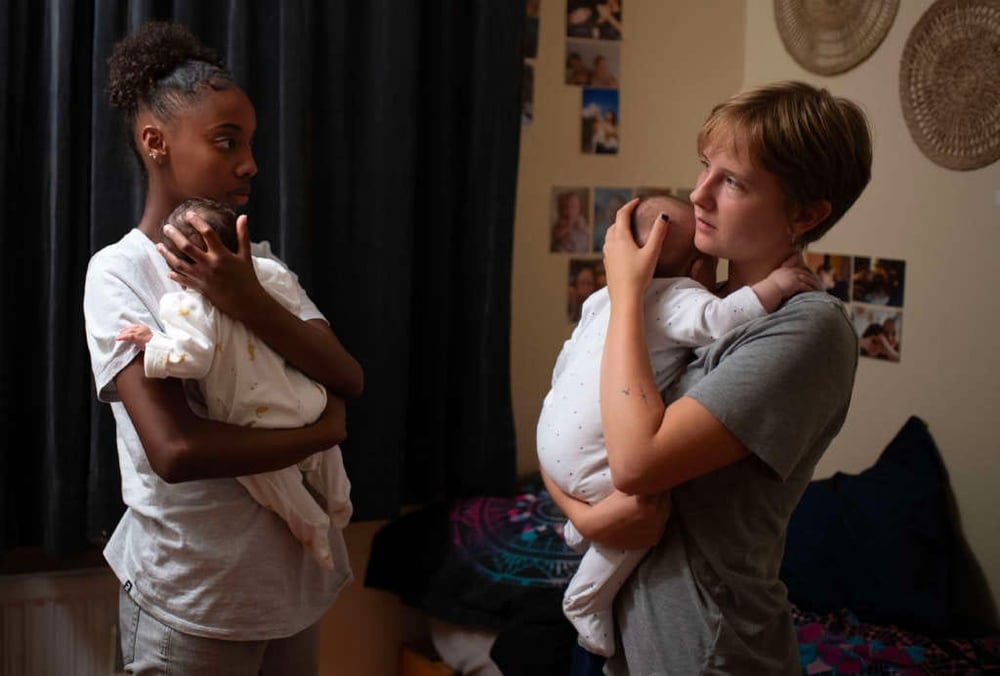
Young Mothers won the Cannes screenplay award in 2025. It follows five young mothers living in a shelter and trying to build better lives for themselves and their children.
The ensemble opens the story across several experiences of care. Its credits retain Dozo as editor and Gabriel as production designer, with Benoît Dervaux responsible for cinematography. Their shared method has accommodated changes behind the camera as well as new faces in front of it.
In their November 2026 Euronews interview, the brothers describe the creative energy that comes from working together. They also speak of hoping to shoot another film in autumn 2027, while making clear that its financing is not yet secured.
The lifetime award therefore marks an ongoing practice. From the documentary beginnings to Young Mothers, they have built a way of working that keeps returning attention to a person whose choices might otherwise pass unnoticed.
Explore the work
Find the individual filmographies on IMDb for Jean Pierre Dardenne and Luc Dardenne. Their company’s official Instagram account and YouTube channel carry project material and updates.
For another route from acting into filmmaking, read Ray Panthaki’s career story. When you are ready to share your own work, Vidreno Hosting lets you present videos on your website. Start with a free account.