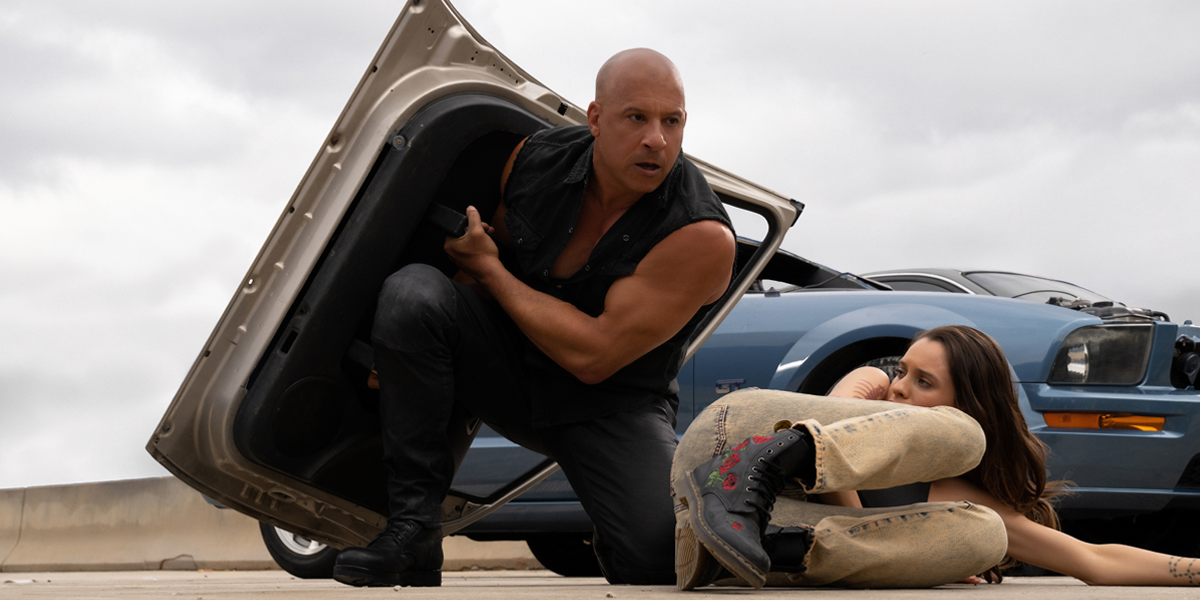
Nolan began with childhood experiments and student films. Following was his debut feature, Memento was his big break, and Batman brought a much wider audience. His later career took in dreams, space, war and Oppenheimer, with Emma Thomas alongside him as his producing partner.
Before Christopher Nolan was directing Batman, he was making a film with friends while his mum supplied the sandwiches. The change that stayed with him wasn’t his first enormous Hollywood set. It was being trusted with someone else’s money for Memento.
Looking back in a 2012 Directors Guild interview, he called the move from Following to Memento “by far the biggest leap I’ve ever made”. Suddenly there was a budget of $4 million and a crew of a hundred people. The responsibility had changed before the scale reached anything like Gotham City.
That is the turning point at the centre of Nolan’s story. But it only makes sense alongside the years of making things beforehand, the people who worked with him, and what he did once the doors opened.
A camera, a university film society and Emma Thomas
Nolan’s filmmaking began in childhood. In the Criterion interview below, he remembers using his father’s Super 8 camera for little films with action figures, stop motion and live action. He kept going as he grew older. Film school never became part of that route.
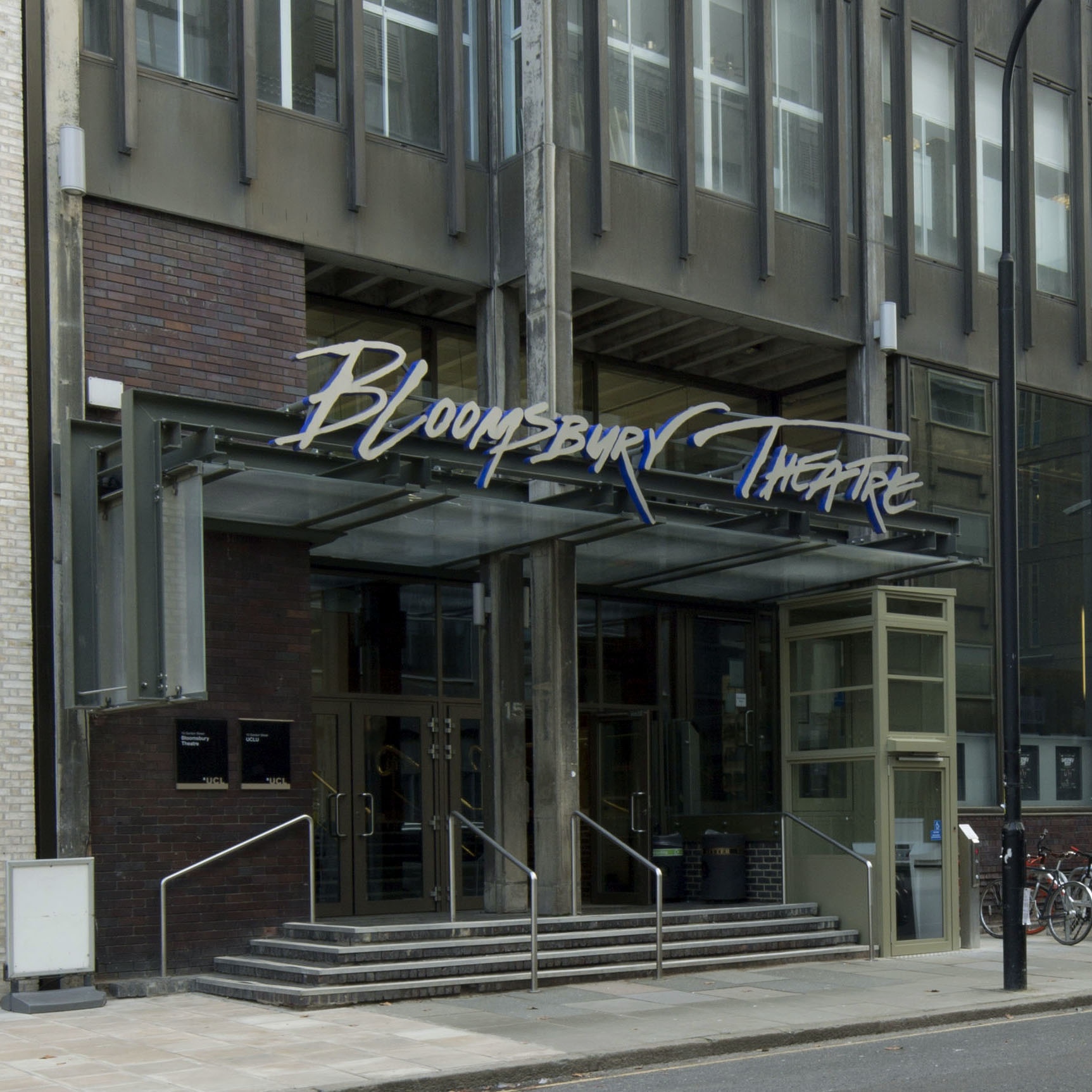
Instead, he studied English literature at University College London. There was a practical education happening alongside the degree: the student film society. In his Sight and Sound interview, Nolan describes screenings at the Bloomsbury Theatre helping to pay for films shot on 16mm. Watching films and making them belonged to the same small operation.
He and Emma Thomas ran the society and made shorts together. Thomas would become his wife and producing partner, a relationship that belongs near the beginning of this story rather than in a footnote to his later success. The collaboration was already there when there was no studio franchise to manage.
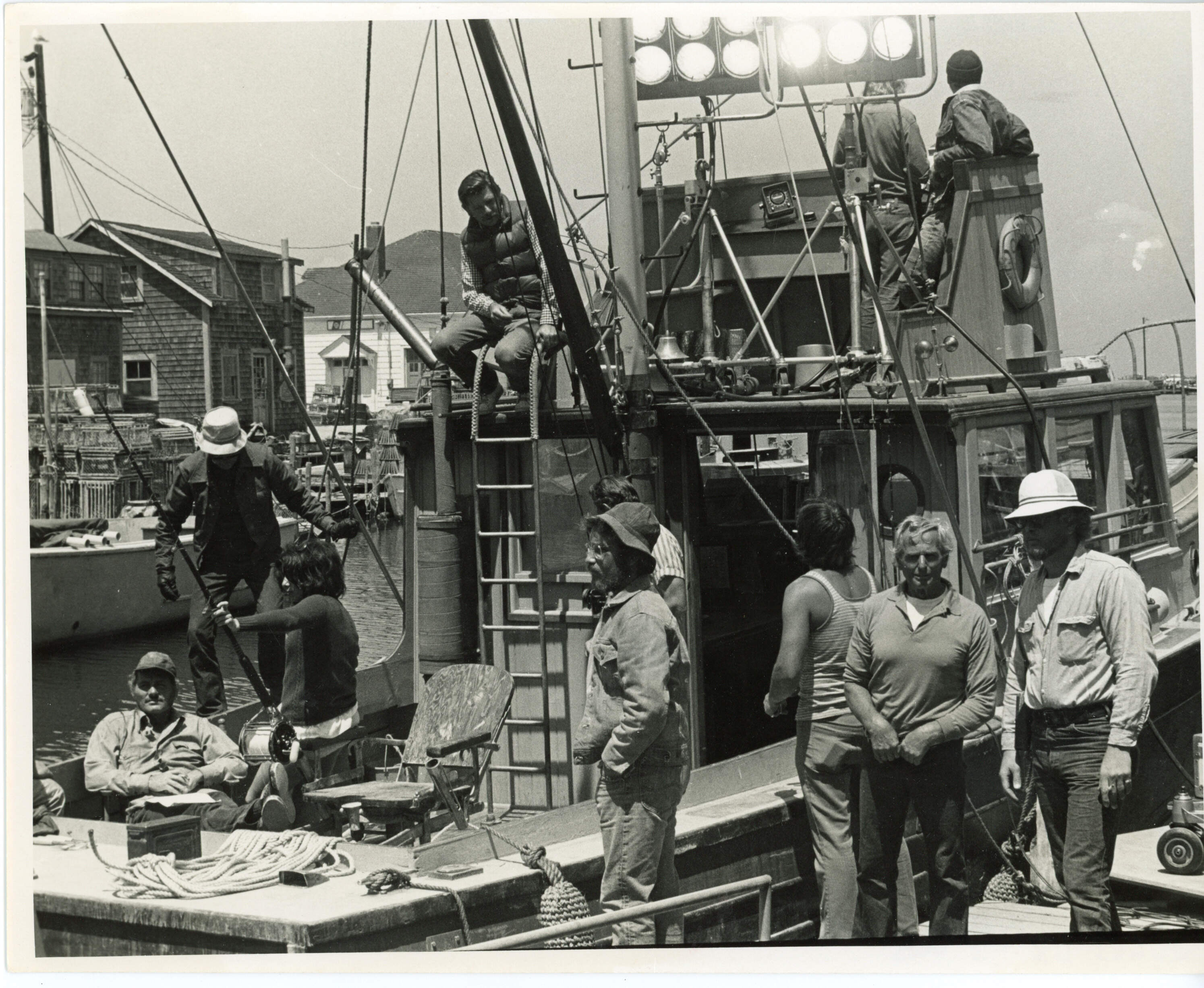
Following gave him a film to show
The shorts included Larceny and Doodlebug. Criterion’s listing dates Doodlebug to 1997 and credits Jeremy Theobald in its three minute running time. Theobald then starred in and helped produce Following, Nolan’s debut feature.
Released in 1998, Following was made around people’s jobs. The original production notes describe Saturday filming over a year, black and white 16mm photography and extensive rehearsals to conserve film. On some days, the people and equipment fitted into one London taxi.
Finishing the shoot did not automatically produce a career. Nolan and Thomas recalled in the Guerilla Film Makers Handbook interview that a festival rejection was followed by a judge recommending the film to San Francisco. Next Wave later provided finishing support and representation, confirmed in its September 1998 announcement.
The film gave Nolan something tangible to put in front of people. He told Metro in 2003 that he had already written Memento before completing it. A viewer who liked the first film could read the next screenplay.
Memento was the big break
The idea for Memento came through another important relationship. Jonathan Nolan told Filmmaker magazine that he described his unfinished story to his brother during a drive from Chicago to Los Angeles. Their conversation helped turn it into a film.
Guy Pearce plays Leonard, a man who cannot form new memories and relies on photographs and notes to navigate his life. The film makes the audience share his uncertainty. We keep discovering what came before the scene we have just watched, so a person or an action can look different as the missing context arrives.
That structure gave Nolan a recognisable voice. Here was a director asking viewers to work things out while giving them the urgency of a crime thriller. In the same interview, he explained that keeping us inside Leonard’s perspective mattered more than providing an outside authority who could settle everything.
The breakthrough brought concrete recognition. At the 2002 Academy Awards, Memento received nominations for editing and original screenplay, with Christopher credited for the screenplay and Jonathan for the story. The brothers’ unusual premise had reached Hollywood’s biggest awards ceremony.
Insomnia opened the studio chapter. Batman changed the scale.
Insomnia followed in 2002. Nolan was now directing Al Pacino, Robin Williams and Hilary Swank in a studio thriller. It was a substantial change from the friends who had helped make his first feature.
There was still a job to learn. In the Directors Guild interview, he describes adapting to Pacino’s appetite for rehearsal and Swank’s preference to preserve something for the take. The director who had done so much himself was learning how to give very different performers what they needed.
Christian Bale’s Bruce Wayne gave Nolan a character whose fears and choices could anchor the spectacle. Heath Ledger’s Joker made the second film a confrontation with an adversary who resisted any comfortable explanation.
| Film | Year | Place in the story |
|---|---|---|
| Batman Begins | 2005 | Nolan’s move into blockbuster filmmaking. |
| The Dark Knight | 2008 | The sequel brought Batman into conflict with Ledger’s Joker. |
| The Dark Knight Rises | 2012 | The conclusion to Nolan’s trilogy. |
The BFI’s career overview identifies the trilogy as a major reinvention of the superhero film. For Nolan’s own career, it also marked the shift from a director discovered through an unusual thriller to someone reaching a vast mainstream audience.
He kept making room for other obsessions
The Batman years also contained The Prestige in 2006 and Inception in 2010. That matters to the story: a successful franchise did not become the whole of his filmmaking.
The Prestige, written with Jonathan, centres on rival magicians. Its concern with what a performer reveals, conceals and sacrifices makes it a useful companion to Memento. Both invite us to reconsider what we thought we understood.
Inception took a dream heist into blockbuster territory. Its shifting realities made room for elaborate action without dropping the puzzle. The BFI records four Oscar wins and eight nominations, including best picture and screenplay. Nolan had a major success beyond Batman to place alongside the trilogy.

Space, war and the argument over Tenet
Interstellar followed in 2014, taking the story into space. Paramount’s synopsis describes a mission beyond this galaxy in search of a future for humanity. The vast journey also makes separation painfully personal: leaving home has consequences that cannot simply be undone by returning.
With Dunkirk in 2017, Nolan brought his interest in time to a historical evacuation. As the BFI’s guide to his films explains, its land, sea and air stories cover a week, a day and an hour. The structure puts different experiences of the same emergency alongside one another.
Tenet in 2020 pushed the temporal games further, folding reversed time into a spy thriller. It also makes this career harder to tell as an uninterrupted procession of universally loved films. BFI critic Brogan Morris describes its reception as divisive: the intricacy that excites some viewers can frustrate others.
That tension runs through the work. How much can a film ask its audience to untangle while still carrying them along? Nolan has returned to that question across very different genres.
Oppenheimer and the career beyond the breakthrough
Oppenheimer, released in 2023, brought him to the life of the physicist associated with the atomic bomb. In his Sight and Sound conversation, Nolan discusses a film built around that complicated figure and the consequences surrounding him. The subject changed; his interest in perspective and the way a story is assembled remained.
At the 2024 Oscars, Nolan won for directing. He also shared the best picture award with Emma Thomas and Charles Roven. Thomas, who had been making student films with him, was now receiving the Academy’s top film award beside him. That continuity says more about the career than a list of budgets could.
The story has continued with The Odyssey. In a statement dated 12 September 2026, Universal reported that the film had passed $1.677 billion worldwide. That is the studio’s dated box office announcement, rather than a running total.
Looking back from that scale, it is easy to make the early steps sound inevitable. They were separate hurdles: finding collaborators, completing a first feature, getting it seen, and having another story ready. Memento was the big break. What followed was a succession of choices about what to do with it.
Hear Nolan describe where it began
In this brief Criterion interview from 2012, Nolan looks back at the childhood experiments and films with friends that preceded the studio years.
Questions about Christopher Nolan’s career
What was Christopher Nolan’s first feature?
Following, released in 1998. He had already made short films.
What was his big break?
Memento established his wider reputation and preceded his move into studio filmmaking with Insomnia. Batman came later.
Did he attend film school?
No. He studied English literature at UCL and made films through the student film society.
Who are the key collaborators in his early story?
- Emma Thomas: his producing partner, from the student films onwards.
- Jeremy Theobald: acted in the shorts and helped produce Following.
- Jonathan Nolan: supplied the story behind Memento.
Putting your own film in front of an audience
For filmmakers considering a direct release, our guides cover selling a short film to fans and releasing a feature without building an OTT app. Vidreno On Demand supports public film purchases and rentals without a required subscription, keeping a recurring platform subscription out of your release budget.