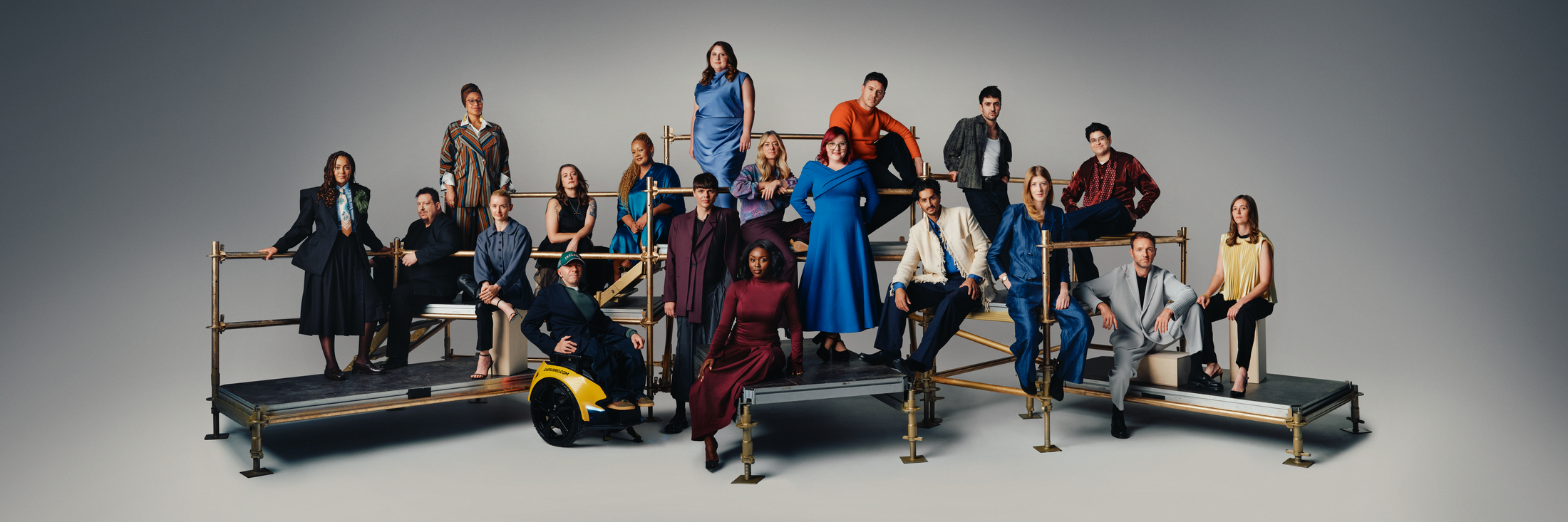
Members of the 2026 BAFTA Breakthrough UK cohort. Photograph: BAFTA / Sane Seven. Original source.
A breakthrough can take ten years to arrive. Louis Paxton began writing The Incomer more than a decade before its completion, returning to the project when development money allowed. Philippa Mumford reached her first major production design opportunity after learning how to make other people’s imaginary worlds work. Both now belong to BAFTA Breakthrough UK’s 2026 cohort.
The useful question for a filmmaker watching the announcement is what happens after that first substantial credit. How do you keep working, find experienced collaborators and turn one opportunity into another?
What BAFTA Breakthrough offers
BAFTA announced 21 creatives on 4 November, spanning film, television and games. Netflix supports the UK programme, which combines career guidance, individual meetings and industry networking with BAFTA membership. The selection includes casting, writing, directing, producing and craft roles, alongside performers.
That breadth matters. A film career can develop through a department as well as through a director’s chair. Lucy Allen and Tom Payne were selected together for casting Sunny Dancer; Regina Meessen’s recognised work is hair and makeup design on Dreamers. The announcement makes room for the people whose decisions shape a film before an audience knows their names.
The programme’s published benefits include a year of full voting membership, access to events and screenings, and industry introductions. Think about those opportunities in practical terms: whose experience would help you handle the job you have just stepped into, and what would you ask them?
A first feature that outgrew its original budget
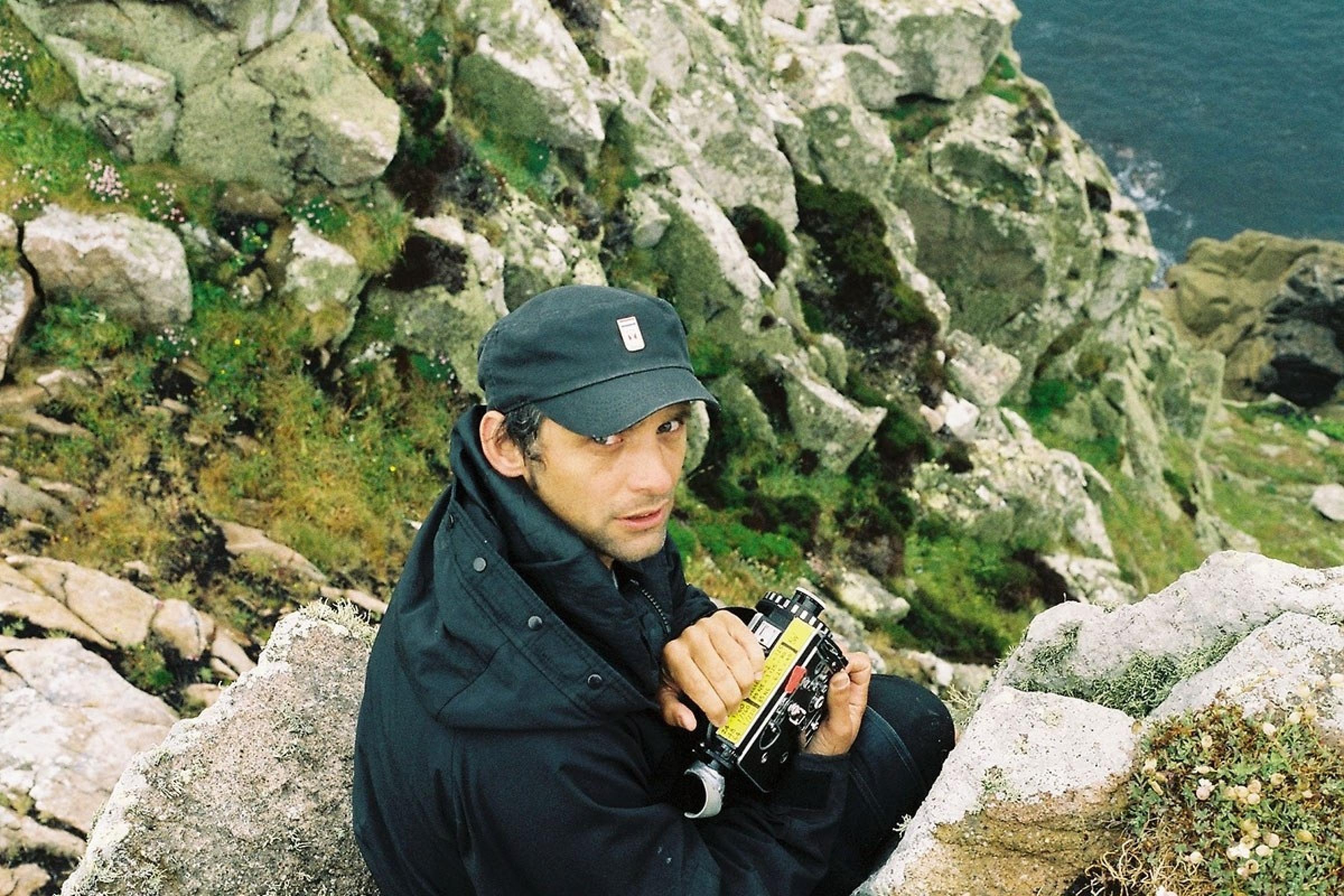
In his interview with The Feature, Paxton describes starting The Incomer as a contained film he hoped to make cheaply. The writing became more ambitious. Scottish island history helped inspire it, while his interest in mixing comedy, horror and drama resisted a straightforward genre label.
He is careful about the timescale: he did not spend ten years working exclusively on this script. Development funding determined when he could return to it. Producers Emily Gotto and Shirley O’Connor joined around five years before the interview and helped push it towards production. Once the cast came together, the pace changed. He says filming took place in August 2025, followed by Sundance in January 2026.
His account gives the word breakthrough some texture. Years of intermittent writing can sit behind a rapid production and festival run. A finished film is evidence of creative persistence, but also of the collaborators who finally make the project possible.
The craft behind a new level of responsibility
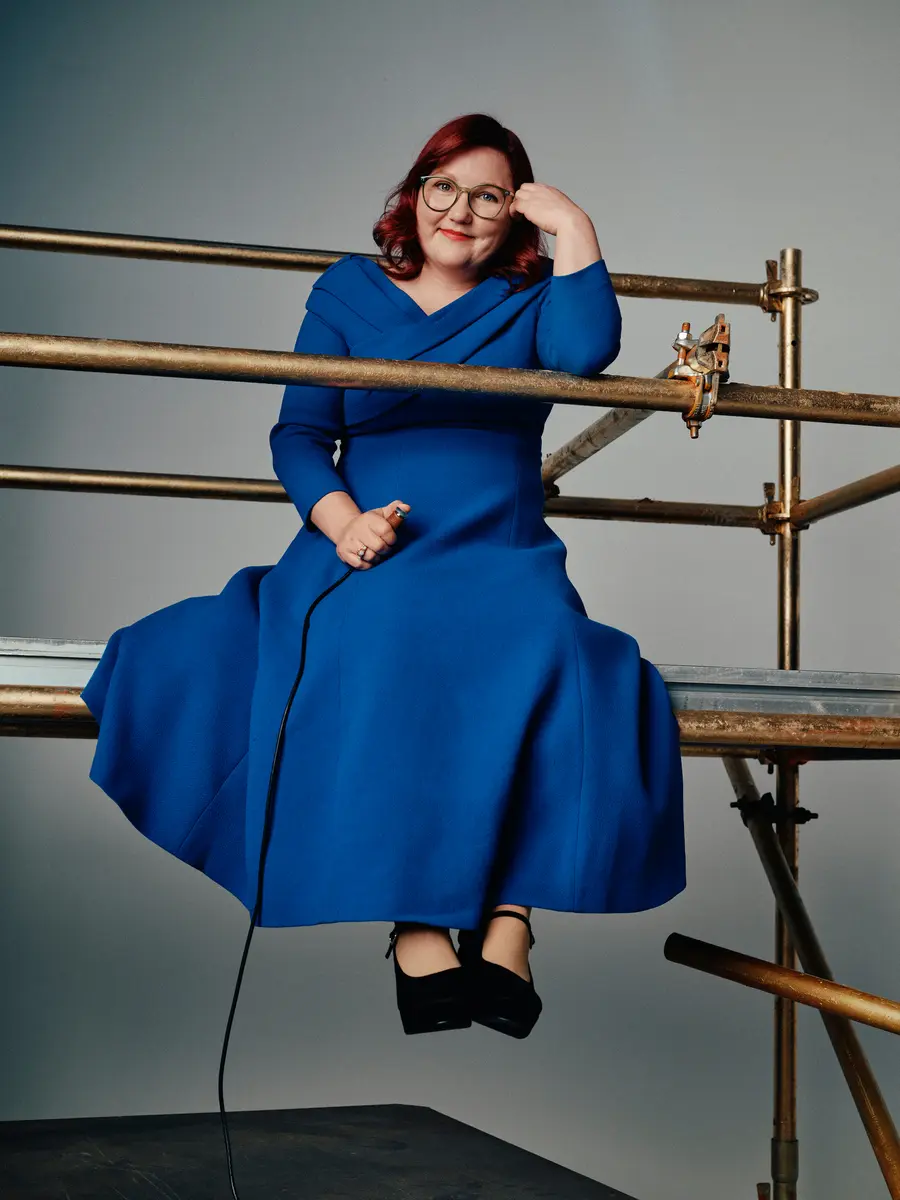
Mumford’s experience offers a different route into the same programme. In her conversation with The Feature, she describes moving from art directing into production design on Juice. The imaginative scripts were exciting, but taking responsibility for that world was new territory.
Her team responded to budget constraints by making things themselves, using recycled materials and repeatedly reworking sets. Those are tangible decisions, not a vague claim that limited money makes people creative. The same physical resources had to serve more than one screen world.
BAFTA’s cohort profile adds some wonderfully specific examples: a cardboard house, puppets, a miniature model and a sofa that could eat people. It also traces her earlier experience through music videos, student films and fringe theatre. The visible result grows out of skills accumulated across smaller jobs.
What she wants from Breakthrough is equally concrete. She hopes to learn from designers who have already navigated this career stage. The challenge is keeping a new level of responsibility going after the first opportunity has proved she can do it.
Who could apply in the 2026 round?
BAFTA’s published 2026 criteria required applicants to be at least 18, working and primarily residing in the UK, with a professional credit on work released in the UK between 1 June 2025 and 1 September 2026, or reasonably expected to be released in that period when applying. A lead or impactful role was required; the full handbook governs the details.
Applications opened on 30 April and closed at noon on 19 June 2026, according to BAFTA’s application announcement. Those dates describe the completed round. They are not a timetable for next year.
Make your next application easier to assess
Start with the project that best demonstrates your new responsibility. A long list of credits can obscure the moment when your contribution changed. Make that change easy to understand.
- Describe your decisions. Explain the problem, what you personally contributed and how it affected the finished work. Credit the team around you.
- Keep the evidence together. Record your exact credit, release information and links to material you are authorised to share. Check viewing permissions before sending anything.
- Identify a useful next step. Choose a specific question about your craft or career that an experienced practitioner could help answer.
- Read the new rules when they arrive. Check the qualifying dates, residency conditions and requested materials against the next published handbook.
For another view of how working relationships develop over successive films, read our story of Steve Yedlin’s collaboration with Rian Johnson. The scale is different, but the attention to shared decisions is useful.
Paxton’s interrupted writing process and Mumford’s reusable sets make this announcement more interesting than a list of names. Each describes work that can be explained, collaborators who mattered and a next stage worth preparing for.
Explore the full cohort and follow BAFTA’s official YouTube channel for its screen craft conversations. If you are preparing a home for your own film work, you can also explore Vidreno with a free account.