Greig Fraser moved from photography and Australian shorts to Bright Star, Lion, Star Wars and Dune. Long creative relationships help explain how he became the cinematographer trusted with such different worlds.
A young photographer working as a studio cleaner is an unlikely starting point for the deserts of Dune. For Greig Fraser, the connection was the people he met. At a photography and film studio in Melbourne, he discovered a way to make images that suited his appetite for working with others.
Fraser’s account of those beginnings is refreshingly untidy. He failed his first year at RMIT, took time away and returned to his studies. He borrowed equipment, shot work with young directors and gradually found his place behind a motion picture camera.
His subsequent career has crossed intimate dramas, historical thrillers and enormous imagined worlds. Following the collaborators through those changes reveals more than a list of beautiful films: it shows how experience on one production can become useful years later.
Melbourne, documentaries and the first recurring collaborators
Fraser’s professional biography traces his early work through Melbourne’s Exit Films, commercials and music videos. With Garth Davis, he photographed P.I.N.S., a documentary about parking inspectors that screened at the Melbourne International Film Festival in 2001. He went freelance in 2002.
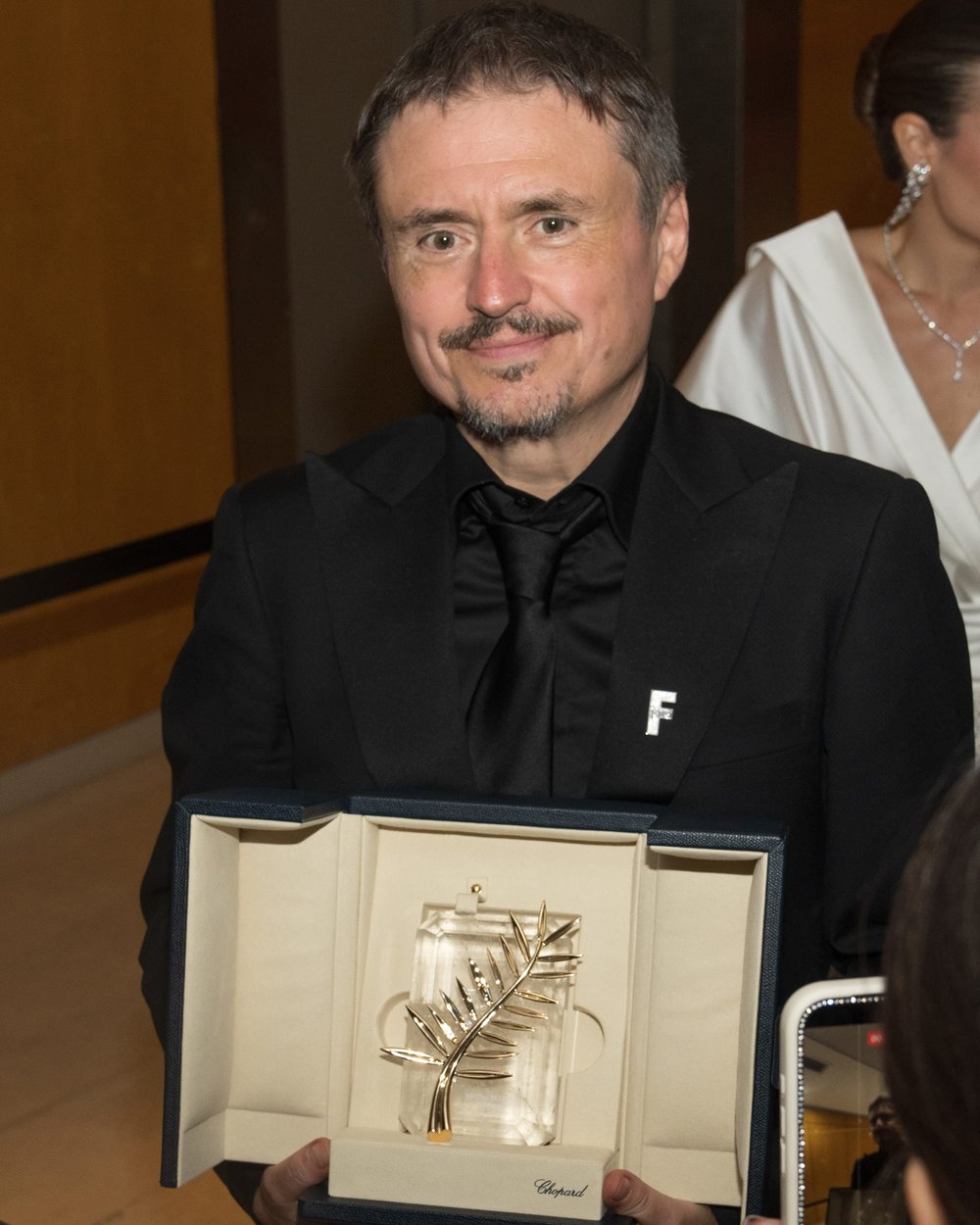
The following year brought Cracker Bag, directed by Glendyn Ivin, which won the short film Palme d’Or at Cannes. Fraser’s later Australian and New Zealand work included Jewboy, Out of the Blue, Crossbow and Last Ride. These were substantial foundations before his Hollywood credits.
In his Film Courage interview, Fraser explains why he moved away from still photography: he enjoyed making pictures but missed the social exchange of a group. Filmmaking offered both. He remembers shooting P.I.N.S. over roughly 15 months while continuing other work.
That documentary experience also taught him to observe without making the camera’s presence determine everything that happened. He connects that concern with filming actors. The practical challenge changes, but paying attention to another person remains central.
Bright Star opened a larger door
Jane Campion first worked with Fraser on The Water Diary, then brought him onto Bright Star, released in 2009. Her film about John Keats and Fanny Brawne became a significant international breakthrough, rather than his debut.
The recognition was concrete. As AACTA’s career account records, Bright Star brought him Australia’s Cinematographer of the Year honour, an AFI cinematography award and a British Independent Film Award for technical achievement.
From there, his collaborators expanded quickly: Matt Reeves on Let Me In, Andrew Dominik on Killing Them Softly, Rupert Sanders on Snow White and the Huntsman and Kathryn Bigelow on Zero Dark Thirty. Later came Bennett Miller’s Foxcatcher, Davis’ Mary Magdalene and Adam McKay’s Vice.
The variety is striking. A period romance, a vampire story and a contemporary military thriller ask different things of a cinematographer. Fraser’s interviews make clear that adjusting to the director is part of the attraction.
Learning a different language for each director
In that Collider conversation, Fraser describes Campion’s gentle way of steering collaborators towards her vision. He admires the clarity without suggesting that every director should work the same way.
For Let Me In, he and Reeves agreed that he would avoid watching the earlier Swedish adaptation, so its images would not unconsciously guide his own. On Zero Dark Thirty, Bigelow’s approach required room for several cameras and performers to move within the lighting.
Rogue One presented another kind of challenge. Fraser initially hesitated because Star Wars mattered so much to him as a child. Gareth Edwards’ presentation of the story and visual ideas persuaded him. Their aim was to honour the remembered feeling of that world.
He also describes The Mandalorian as a collaborative technical undertaking involving Jon Favreau and the visual effects team. Tests brought together digital backgrounds and lighting before the shoot. His 2020 Emmy recognition, shared with Baz Idoine, belongs within that larger team effort.
Lion brought the long friendship with Garth Davis into focus
Alongside the larger productions, Fraser returned to Davis for Lion. Their relationship reached back to the Melbourne documentary years. The 2016 film follows Saroo Brierley’s search for the family he lost as a child, and gave Fraser his first Oscar nomination.
One detail in the Film Courage interview makes its photography feel particularly close to the story. Fraser explains how a real computer screen could produce changing reflections in Dev Patel’s eyes during Saroo’s search. The display was part of an emotional performance, giving the camera something alive and changeable to observe.
It is a useful way to watch the film: follow the light on the person who is looking, as well as the information on the screen.
Dune made scale a shared responsibility
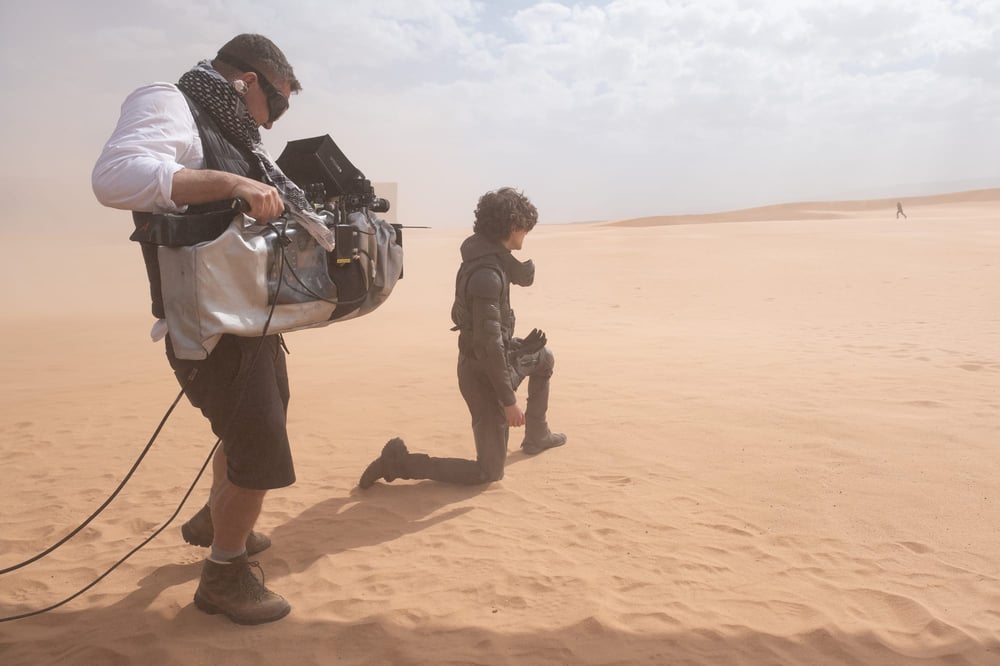
With Denis Villeneuve on Dune, Fraser’s work expanded into landscapes, enormous interiors and images designed for a very large cinema screen. Production designer Patrice Vermette was a key partner in building the world the camera would photograph.
The ASC’s production account offers a telling example. Villeneuve wanted Arrakis to have oppressive, hazy skies rather than cheerful blue. Fraser and colourist Dave Cole began developing that appearance during preparation, carried it into the location photography and refined it in the final colour work.
The contribution did not belong to the camera alone. An agreed idea travelled through several departments and stages of production. The account also credits second unit cinematographer Katelin Arizmendi and additional photography by Pierre Gill and Adam Arkapaw.
Fraser won the 2022 cinematography Oscar for Dune. The award recognised the finished images; the production story shows the network of decisions beneath them.
Returning to Reeves for The Batman
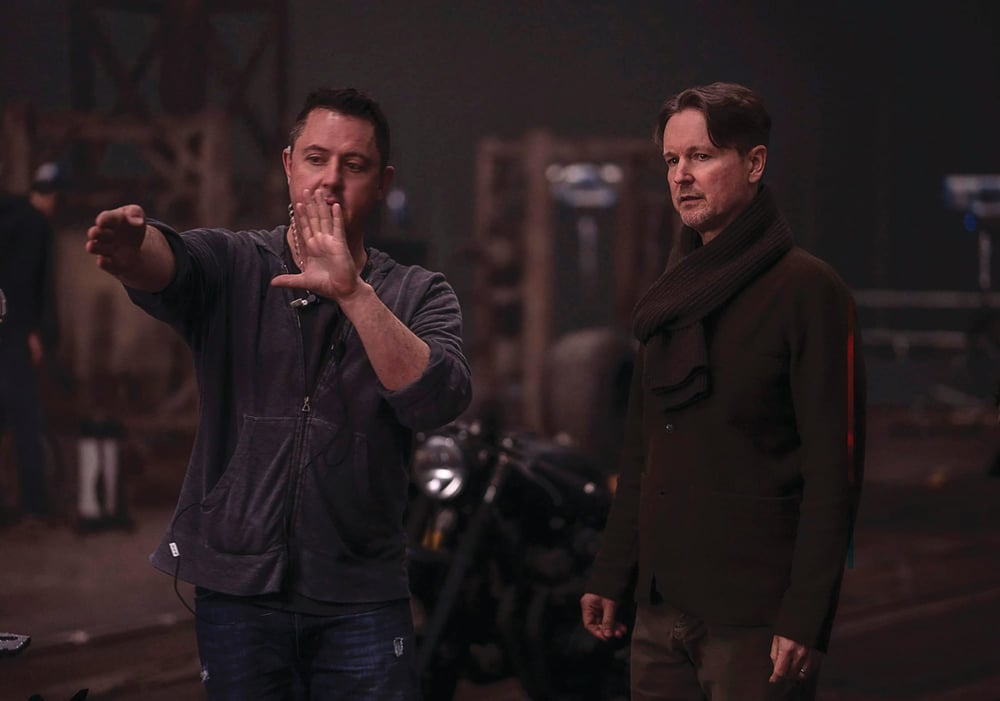
The Batman reunited Fraser and Reeves more than a decade after Let Me In. Fraser’s ASC interview describes a precise problem beneath the darkness: Robert Pattinson’s eyes needed light while the surrounding cowl remained largely concealed. Pattinson sometimes had to stand in himself to get that balance right.
The image could be imposing, but it still had to let us read a person. That is a helpful thread to follow from Patel at a computer to Pattinson behind a mask.
The recurring question is what the audience needs to feel about the person in the frame. The answer can be a changing screen reflection, eyes visible beneath a mask or a figure overwhelmed by a landscape.
The Creator, Dune: Part Two and another kind of space film
Fraser reunited with Edwards on The Creator, sharing cinematography credit with Oren Soffer. Their production interview describes a working method built around Edwards discovering shots with the camera while responding to actors. Preparing an environment in which the director could keep exploring became part of the cinematographers’ task.
Dune: Part Two then extended the Villeneuve collaboration. In the ASC account of the sequel, the director describes wanting continuity with the first film while expanding its visual language. Fraser recalls the practical difficulty of managing so many units and simultaneous demands. The work earned him another Oscar nomination in 2025.
His later work includes Phil Lord and Christopher Miller’s Project Hail Mary. In the ASC’s November 2026 conversation with Mandy Walker, the emphasis shifts towards warmth, friendship and a brighter experience of space. The discussion includes lighting built into the spaceship sets to suggest a daily cycle.
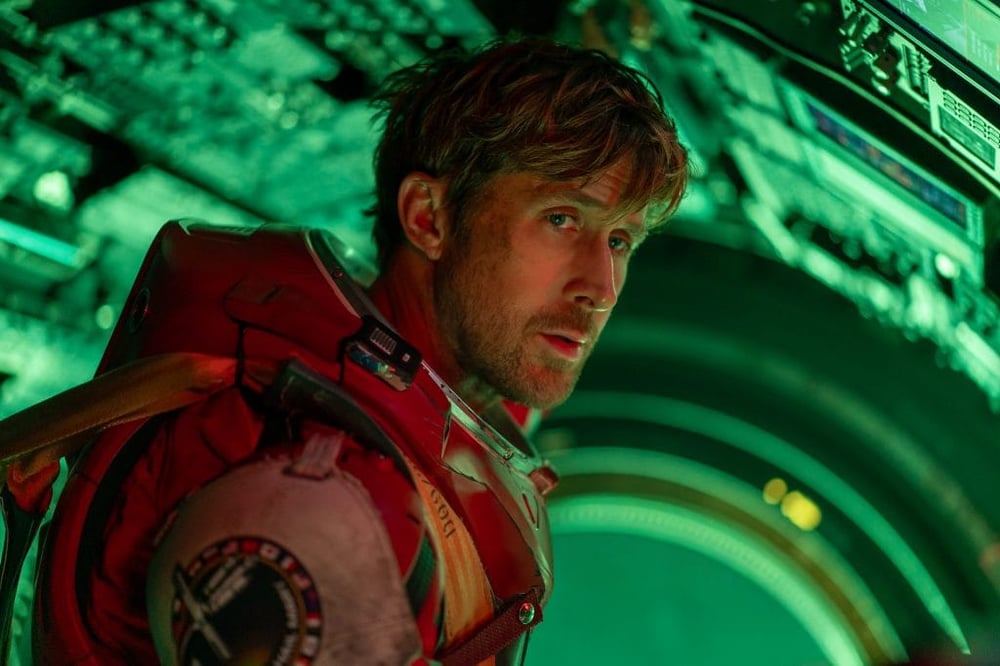
Placed beside Dune and The Batman, that warmer direction makes the career more interesting. Familiar collaborators and accumulated experience can support a new emotional register. Our story of Project Hail Mary’s score follows another department’s contribution to its human connection.
Career landmarks and where to follow his work
| Film or series | Career landmark |
|---|---|
| Bright Star | International breakthrough with Jane Campion |
| Lion | First Oscar nomination, in 2017 |
| The Mandalorian | 2020 cinematography Emmy, shared with Baz Idoine |
| Dune | 2022 cinematography Oscar |
| Dune: Part Two | 2025 cinematography Oscar nomination |
Explore Fraser’s IMDb credits, his professional biography and Instagram account. For another career shaped by enduring director relationships and close attention to the image, read our Steve Yedlin profile.
Fraser’s route leaves room for beginnings that look modest: a documentary made around other jobs, a short film, a collaborator who becomes a friend. Those relationships keep returning in the credits, even as the worlds on screen grow larger.
Building your own body of work? Vidreno Hosting lets you present video on your website. Create a free Vidreno account to get started.