Yes, short films have been shot on iPhone and reached major festivals. Night Fishing used an iPhone 4 and won the Golden Bear for best short film at Berlin in 2011. Life Is But a Dream followed in 2022 with an iPhone 13 Pro. Both are useful examples, provided you separate the camera from the people and production around it.
I would start with these two films for inspiration, then listen to Sean Baker explain what his phone camera did not replace. His advice on sound is more useful than another shopping list.
Two short films shot on iPhone
| Film | Camera | Why it matters |
|---|---|---|
| Night Fishing (2011) | iPhone 4 | A festival winning short made with an early phone camera. |
| Life Is But a Dream (2022) | iPhone 13 Pro | A commissioned short with an established director and cinematographer. |
Night Fishing: a phone film at the Berlinale
Night Fishing, also known as Paranmanjang, is a supernatural short by Park Chanwook and Park Chankyong. A night fisherman encounters a mysterious woman, and the story moves into the world of ritual and spirits.
The Korean Film Council confirms that it was shot entirely on an iPhone 4 and won the 2011 Golden Bear for best short film. The Berlinale programme lists the film at 33 minutes.
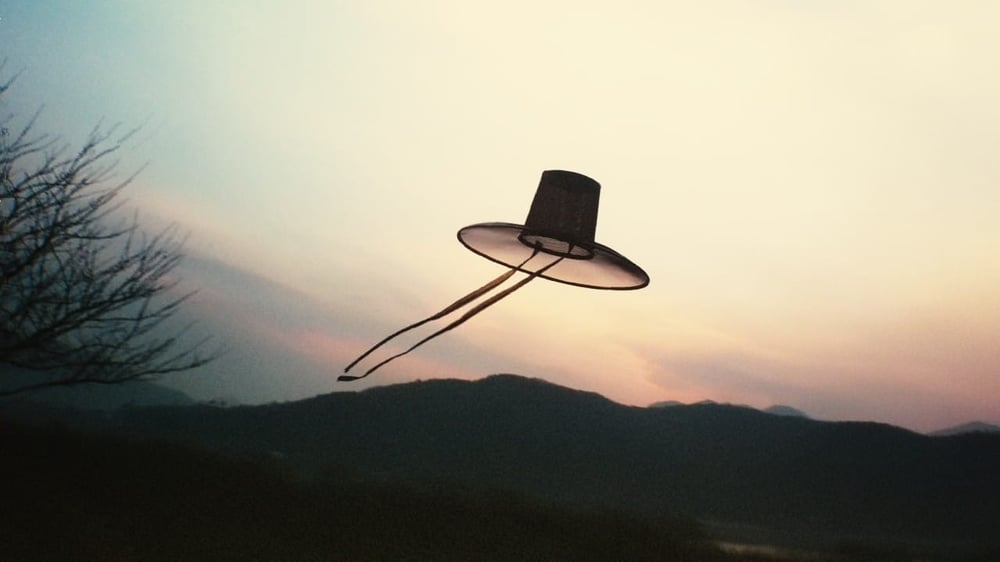
Its value as an example is specific: a phone camera was compatible with a distinctive film and major festival recognition. That does not mean the camera caused the award, or that matching the device will reproduce the result.
Life Is But a Dream: the production still matters
Park Chanwook returned to phone filmmaking with Life Is But a Dream. The Korean Film Council’s production report describes a comic period fantasy mixing martial arts and dance, filmed exclusively with an iPhone 13 Pro.
Apple commissioned the short, and cinematographer Kim Wuhyeong worked with Park on it. Those details matter. This is evidence of what a phone can contribute to a professional production, not proof that an elaborate film needs no crew or resources.
For your own short, take inspiration from the ambition without copying the scale. One convincing encounter in a location you can control may be a stronger starting point than a period fantasy you cannot finish.
Sean Baker’s useful distinction: phone picture, separate sound
Tangerine is a feature, not a short. It belongs here as a production lesson rather than another entry in the short film list. American Cinematographer’s interviews document its use of three iPhone 5S devices, an anamorphic adaptor and a stabilising rig.
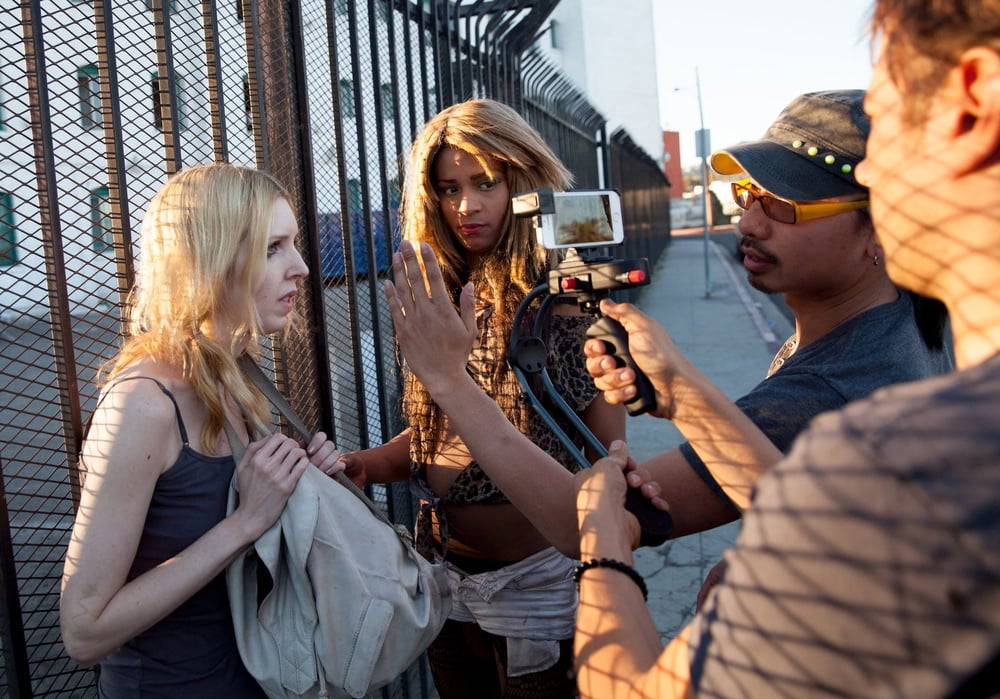
In the Film Courage interview below, Baker explains that the sound was recorded separately and synchronised afterwards. He also makes clear that his advice reflects a particular visual approach. Treat it as a filmmaker explaining his choices, rather than a rule that every phone film must look the same.
Before shooting your own dialogue scene, record a rehearsal in the actual location. Listen for traffic, room echo and voices disappearing when an actor turns away. A camera test that ignores the soundtrack leaves half the scene untested.
Give the finished short a release plan
The camera may attract initial curiosity, but your release still needs to explain the film. Lead with the premise, a strong still and a trailer that communicates the tone. Include the phone model as a production detail, without letting it replace the story.
Vidreno On Demand gives your finished film a public page with its poster, trailer and crew credits. You can release a film free to watch or offer purchases and rentals. This is the relevant Vidreno service for releasing a short to viewers; Video Hosting serves videos on your own website or app.
Before a public release, check any festival plans and the current rules of the festivals you intend to enter. For example, our Palm Springs ShortFest guide covers that festival’s submission considerations. One festival’s policy is not a substitute for another’s.
- Keep a finished master. Retain the export from your edit rather than relying on a copy compressed for messaging.
- Check the complete film. Watch from the first frame to the final credit and listen through the quietest dialogue.
- Prepare the release materials. Use accurate credits, a readable poster and a concise synopsis.
- Check delivery separately from capture. Consult Vidreno’s supported video formats before exporting your delivery file.
Questions about iPhone short films
Has an iPhone short film won a major festival award?
Yes. Night Fishing won the Golden Bear for best short film at the 2011 Berlinale. Its iPhone 4 capture is documented by the Korean Film Council.
Is Tangerine a short film?
No. Sean Baker’s Tangerine is a feature. Its production is useful to study, but it should not be counted as a short film example.
Does shot on iPhone mean the phone recorded everything?
No. It describes the picture capture and does not establish how sound, editing or finishing were handled. Baker explicitly says that Tangerine used separately recorded sound.
Do I need the latest iPhone to make a short?
These examples do not establish a minimum model for your project. They show that finished films have used different generations. Test the phone you have against your locations, lighting and intended shots before deciding what equipment is missing.
Can I release my own iPhone short through Vidreno?
Yes. Vidreno On Demand supports public film releases free to watch or through purchases and rentals. Prepare a supported delivery file and check your release commitments before making the film public.