A free entry can save your submission budget, but it still takes time to prepare and may create commitments if the film is selected. Start with the audience you want to reach, then check whether the festival suits the film you have actually made.
These six calls were checked on their official websites on 20 November 2026. They cover US events and international options, including specialist student and animation categories. This is a selected list, not a claim that every filmmaker can enter every event.


Six festival calls with no entry fee
Check the free deadline separately from the final deadline. A festival can charge nothing during one stage and introduce a fee later.
| Festival and eligible work | Free entry window | Important condition |
|---|---|---|
| All American High School Film Festival, student films from around the world | Open now; free through 1 March 2027 | School age eligibility and category specific running times apply. Later entries cost money. |
| Ohio Shorts, films produced in Ohio | 1 December 2026 to 19 February 2027, 11:59pm EST | 30 seconds to 20 minutes; made between June 2025 and February 2027. One entry per person. |
| Oberhausen, short films across several competitions | Open now; competition deadline 18 January 2027 | The first five works per submitter are free. International Competition requires a German festival premiere. |
| La Cinef at Cannes, film school fiction and animation | Open now; form and film due 15 February 2027, midnight French time | Up to 60 minutes. High school films and documentaries are not eligible. |
| Fest Anča, animated shorts | Open now; free through 30 November 2026 | Under 30 minutes, completed after 1 January 2025. Fees apply from December. |
| Imaginaria, animated shorts | 1 December 2026 to 15 May 2027 | Up to 20 minutes including credits, completed after 1 January 2026. Main Competition requires an Italian premiere. |
Ohio Shorts and Imaginaria have announced their calls but are not yet open on this article’s check date. Use the linked festival pages to confirm the form, complete conditions and deadline before submitting. A free entry does not include travel or guarantee selection.
Find the category your film actually fits
Eligibility matters more than the price. The All American High School Film Festival’s rules and categories require directors to have been in high school or younger during production, with provisions for recently graduated seniors. International films are welcome. Its runtime limits vary by category, so do not apply another festival’s definition of a short.
La Cinef is a different student route. The film must have been directed within a film school or university film studies curriculum. Its 2027 regulations normally require production within the 18 months preceding the festival and exclude films already presented at major international festivals. The free La Cinef entry is not the separate Cannes Short Film Competition.
For Oberhausen, choose the competition before checking the runtime. Its regulations PDF generally limit International Competition entries to 35 minutes and German Competition entries to 45 minutes, with production after 1 January 2026. The German Competition does not require a festival premiere; the International Competition does. From the sixth work submitted by the same submitter, the handling fee is €20 per film.
Our short film length guide explains why a film can fit one festival’s category and miss another. Avoid cutting a finished film solely because a free call exists. First decide whether that programme is a useful destination for this story.
Free entry and a screening payment are different things
An entry fee is money you pay to apply. A screening fee is money a festival agrees to pay for showing a selected film. A zero entry fee tells you nothing by itself about the second amount.
Ohio Shorts is a useful concrete example: the Wexner Center’s 2027 call says selected works receive a $50 screening fee. It also lists separate jury and audience awards. Fest Anča’s regulations, by contrast, say selected films screen without a screening fee. Check the actual offer rather than assuming all free festivals work alike.
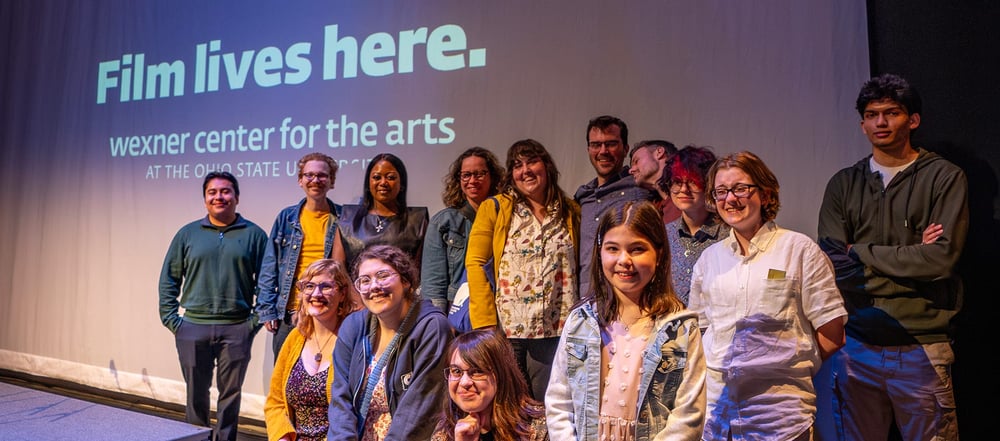
Keep delivery, subtitles, accessibility materials and attendance in a separate budget. If a festival requests a format you cannot produce yourself, find out the cost before accepting the invitation. Our festival submission budget guide covers that wider calculation.
Choose a real audience, not just another application
A worthwhile free festival gives your film a reason to be there. Look at the previous programme, named venue, screening arrangements and the people likely to attend. Decide what you would value even if the film won nothing.
In the video below, filmmaker Remsy Atassi describes why he values local festival opportunities but questions the benefit of travelling far for some events. It is his personal assessment, not evidence about how any of the six festivals in this guide selects films.
Turn that into a practical question: what would this particular selection let you do? Meeting nearby collaborators, seeing your film with an audience or taking part in a relevant discussion are specific answers. Adding one more logo without understanding the event is not a release plan.
Prepare the entry and protect your release options
- Record the exact category. Save the official rules, fee stage, completion date requirement and deadline with its time zone.
- Check the complete file. Confirm the category’s treatment of credits, picture format, sound and subtitles. Follow its requested submission method.
- Keep the rights information ready. Make sure the permissions for music, footage and other material cover the screenings you are offering.
- Read the screening and withdrawal terms. Know what submitting or accepting commits you to, including any online programme.
- Plan public availability separately. Ask about an unclear premiere condition before releasing the film online. Free viewing can still be public viewing.
For example, a 12 minute animation completed in 2026 might fit the duration and production dates for both Fest Anča and Imaginaria. That does not establish full eligibility: Imaginaria’s Main Competition also needs an Italian premiere. Keep each festival’s remaining conditions in your record instead of treating two free entries as interchangeable.
Give the finished film a home on Vidreno
When your festival and rights commitments allow public release, use Vidreno On Demand to give the film its own viewing page. You can make it free to watch, offer a purchase or rental, or offer both paid options, without a required subscription.
The page brings the film, trailer, poster and crew credits together, with credits linked to filmmaker profiles. Give interested viewers one clear destination and acknowledge the people who made the film possible. The film landing page checklist can help you prepare that release.
Use the festival’s requested process for submissions; a public Vidreno film page is your audience destination afterwards. Publishing creates a place to watch or buy, but it does not guarantee views, revenue or festival eligibility.
Questions about free festival submissions
Is a free deadline the same as a fee waiver?
No. A free deadline is a published entry stage available to eligible applicants. A waiver is an exception to a fee. If you need one, check whether the festival offers a formal process before applying; do not assume a request will be accepted.
Can a film from the UK enter these festivals?
Some international categories may suit it, provided all their conditions are met. Ohio Shorts specifically requires production in Ohio. Check production location, student status, language and premiere rules individually rather than using nationality alone as the test.
Does free entry mean I must attend?
The entry price does not answer that. Read the attendance conditions and ask what an invitation includes. Decide separately whether travel would be useful and affordable.
Should I submit everywhere that costs nothing?
A focused shortlist is easier to manage. Every entry still takes preparation, creates dates to track and may carry screening commitments. Keep the calls that fit your film and the audience you want to reach.