A camera credit is a useful starting point. It tells you which productions to investigate, but it cannot tell you how much of their look came from lighting, lenses, locations or the grade.
These are documented examples rather than films we have camera tested ourselves. The sources below identify the productions and their formats. The practical questions are our suggestions for developing your own shoot and release.
Which short films have RED KOMODO credits?
The three shorts below list KOMODO in a festival, production company or filmmaker supplied record. Those records have different levels of detail, so keep the qualification beside the credit.
| Film | Documented format | Useful distinction |
|---|---|---|
| 3 Easy Steps | RED Komodo | Festival record names the camera and cinematographer. |
| Umpan | RED Komodo; black and white | Production page specifies a 1.66:1 frame. |
| The Gumby | RED KOMODO and Nikon Z6 | Mixed camera credit; individual shots are not identified. |
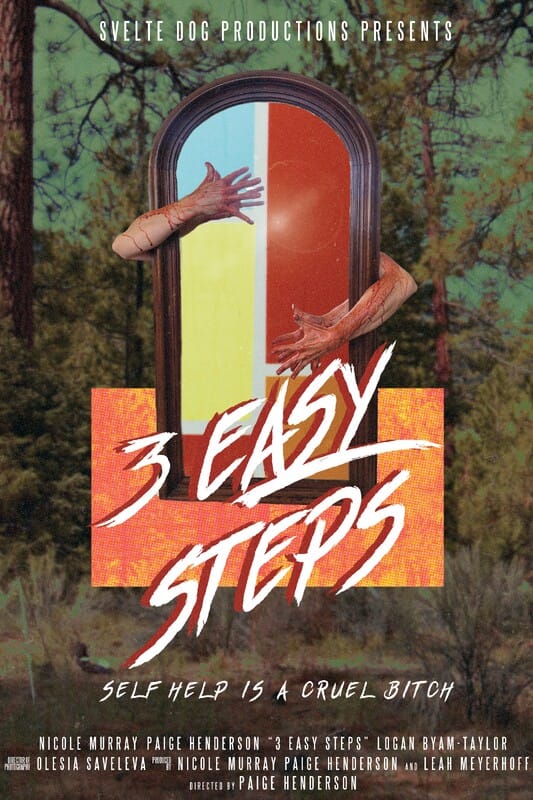
3 Easy Steps: make the visual approach serve the character
3 Easy Steps is a 16 minute short directed by Paige Henderson, with cinematography by Olesia Saveleva. The Queens World Film Festival record lists RED Komodo as its format.
The story follows a woman with ADHD attempting a self help exercise in a forest, where she encounters another version of herself. Henderson's statement describes using cinematography and sound to express the character's overwhelm.
For your own project, start with the experience the audience needs to share. Write down what framing, movement and sound should communicate before deciding which camera settings matter. A recognisable emotional intention is more useful than trying to reproduce another film's equipment list.
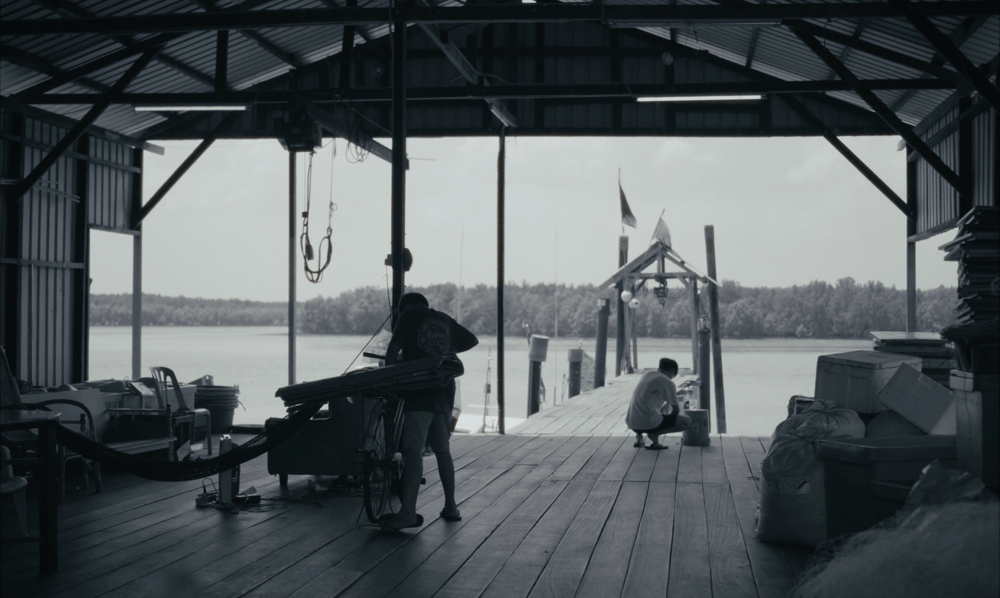
Umpan: build a consistent world around the frame
Umpan is a 14 minute Malaysian horror short directed by Nelson Lau and photographed by Kenny Ng. Rain or Shine Pictures' production page specifies RED Komodo, black and white photography and a 1.66:1 aspect ratio.
The film centres on a fishing village, a missing boy and disturbing visions. Lau connects the setting to memories of growing up in a fishing town and describes monochrome as part of the story's timeless, mythical atmosphere.
There is a useful preparation exercise here: collect references for the world of the film, then test how locations, costumes and faces separate in the intended grade. Choosing monochrome changes which visual distinctions the audience can rely on. It deserves a test before the first shooting day.
The Gumby: keep mixed camera credits honest
The Gumby is a climbing comedy directed by Jeremy Gray and Molly Deacon, with cinematography by Kalea Calloway. Its filmmaker supplied FilmFreeway entry lists a runtime of 13 minutes and six seconds and a shooting format that includes both RED KOMODO and Nikon Z6.
The story puts an inexperienced climber under pressure to lead a route. The filmmakers describe an interest in trust and the awkward human side of climbing. The format credit does not establish which camera photographed any particular moment.
If you combine cameras, keep a camera report and a short matching test for the editor and colourist. Later, credit both bodies accurately. You can celebrate working with KOMODO without attributing every image to it.
What does Furiosa tell us about KOMODO's role?
Furiosa demonstrates KOMODO as a specialist production tool within a larger camera package. It is not evidence that an entire major feature was photographed exclusively on KOMODO.
In RED's interview with cinematographer Simon Duggan, the production describes using eight KOMODO cameras alongside V RAPTOR cameras. A five camera array captured a 240 degree view for background plates, while compact camera positions also supported action work.
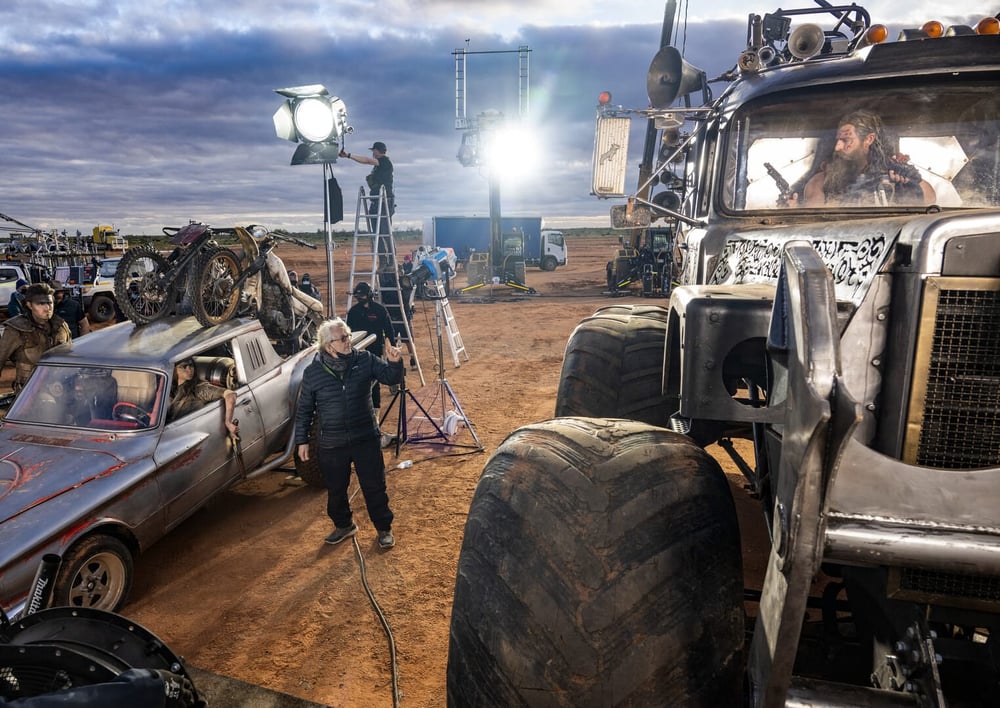
For a small crew, the useful question is similarly specific: what shot does the compact body make practical? Consider the complete rig, operator access and a safe mounting plan. A small body does not make a heavy lens, monitor or power solution disappear.
What should you prepare before a KOMODO shoot?
Plan storage, monitoring, filtration, sound synchronisation and power as a complete package. Bryan Redding's production account on the Deaf Director channel offers a useful example of why those details matter.
Redding explains that a small team and gimbal use influenced his camera choice. At 4:40 he reports that his feature generated 22 TB of footage despite being a 6K production. At 7:14 he discusses the practical limitations of the connections. These are observations from his shoot, not a storage forecast or a reliability test for yours.
One technical distinction matters when watching the interview: the original KOMODO supports Timecode In through its nine pin EXT connector, according to the RED KOMODO specifications. A complaint about connector convenience should not become a claim that the camera has no timecode input.
- Build the actual rig. Include the lens, filtration, power, monitor and cables you intend to use. Check balance and access with that configuration.
- Test the sound workflow. Confirm the required connection and synchronisation method with the sound team, then take a sample through the edit.
- Estimate storage from a test. Record representative material at your chosen settings. Allow for shooting volume, verified copies and the files needed during post production.
- Agree the finish early. Decide the aspect ratio, delivery frame rate and intended SDR or HDR versions before the final export becomes urgent.
If you are comparing how other productions approach camera preparation, our ARRI ALEXA film examples cover a different set of productions and creative decisions.
How should you release a finished KOMODO short?
Release the completed film through Vidreno On Demand, using a finished viewing master rather than treating camera originals as the audience's delivery file. Choose a viewing offer that suits your film and present the story before the equipment credit.
Vidreno On Demand provides the public film destination for purchases and rentals. Vidreno Hosting is the separate service for videos embedded on your own website or app. If you want a trailer on your own site and a paid release for the film, those are two different jobs.
Check the current supported video formats before exporting. Vidreno accepts supported MP4 and MOV masters; exporting the right picture and sound is different from simply renaming a camera file. The camera's capture resolution alone does not guarantee what a viewer's device receives.
For additional HDR and sound versions, the professional masters guidance explains the requirements. Keep versions of the same cut aligned and supply suitable stereo sound. Do not assume an HDR upload automatically creates the SDR version, or that surround sound automatically creates stereo.
Vidreno's Shot on RED collection gives viewers an existing camera themed route into films. That is a collection to explore, not a promise that uploading your short guarantees inclusion. Keep the camera and crew credits accurate wherever you describe the production.
Give the audience a strong still, a concise story description and a clear viewing action. Our film landing page checklist covers that presentation in more depth. The camera credit can help interested filmmakers find the work; the film still needs to give everyone else a reason to watch.
Frequently asked questions
Were all three shorts shot exclusively on KOMODO?
No such claim is established here. 3 Easy Steps and Umpan list KOMODO, while The Gumby explicitly lists both KOMODO and Nikon Z6. A format listing is not a complete shot by shot camera report.
Does the original RED KOMODO have timecode input?
Yes. RED documents Timecode In through the nine pin EXT connector. Confirm the appropriate cable and workflow for the exact camera and sound equipment you are using.
Does shooting 6K guarantee a 6K viewing experience?
No. Capture settings, the finished export, available playback versions and the viewer's device are separate stages. Describe your release using the delivery you have actually prepared and verified.
Will a RED credit automatically place a film in Vidreno's collection?
Do not assume automatic placement. The Shot on RED collection exists, but the camera credit alone is not a confirmed inclusion policy or a guarantee of views.