Raindance takes place in London from 16 to 25 June 2027. This guide covers short film submissions, with dates and rules checked on 16 November 2026. The important distinction is between the festival’s relatively open short film premiere policy and its stricter conditions for features.
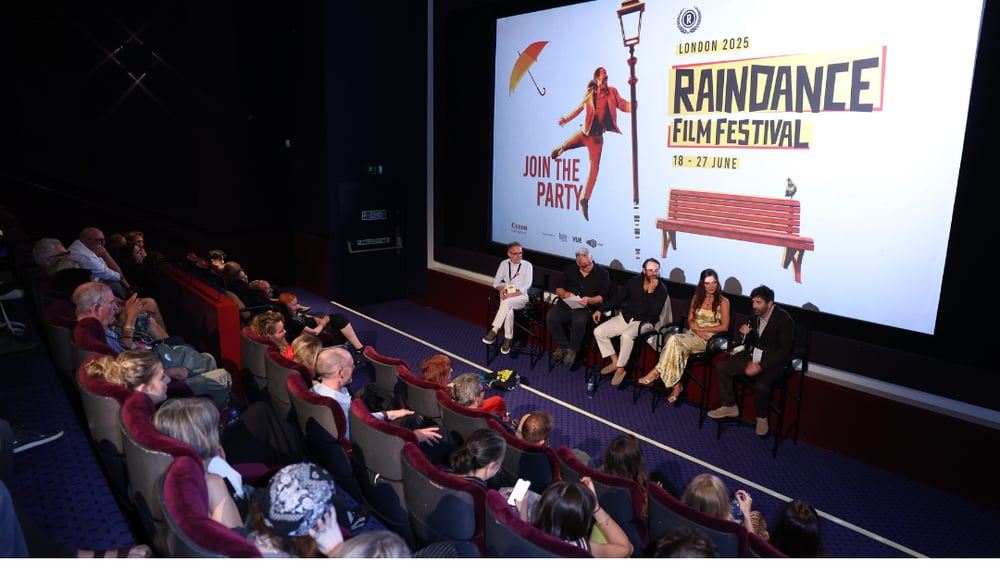
Raindance 2027 deadlines and short film fees
The official submissions page lists the following standard short film fees in pounds sterling. Enter through the festival’s FilmFreeway listing.
| Stage | Deadline | Fee |
|---|---|---|
| Early | 7 December 2026 | £38 |
| Regular | 18 January 2027 | £49 |
| Late | 8 March 2027 | £66 |
The fee rises by £28 between the early and late stages. That saving is useful if the film is ready, but it should not decide which version represents your work. Set a finishing date with the editor before choosing an entry stage.
For a campaign involving several events, use our festival submission budget guide to put the entry alongside delivery, travel and publicity costs. Keep the Raindance fee in pounds rather than mixing currencies in one total.
Check the runtime and completion date
Raindance defines a short as under 45 minutes and requires films completed after 1 January 2026. Non English language films need English subtitles. Check these conditions on the current entry page before payment.
Write down three facts for the producer to confirm: the exact exported runtime, the date the film was completed and its screening history. If the answer to an eligibility question depends on an unusual circumstance, send the festival those facts rather than a general description of the production.
Can your short already be online?
Yes. The festival FAQ says shorts have no premiere requirement and may already have screened at other festivals or online. Features need at least a UK premiere and must meet separate restrictions on UK release and public online screening.
That distinction gives a short filmmaker more room to plan a public release. It does not remove commitments made to another festival or distributor. Keep a record of each agreement and decide which release date satisfies all of them.
Choose the cut that can speak for itself
Raindance accepts rough cuts, but its FAQ says only the first submitted cut will be previewed. Treat the submission as an editorial decision, not a placeholder that you expect to replace.
The festival’s older advice video makes a useful creative distinction. Around 2:36, the presenter explains that the film should stand on its own without relying on the accompanying description. Around 3:21, he turns to sound and score. These are observations from a 2018 video, not additional rules for the 2027 edition.
Separate a misunderstanding in the film from a disagreement about its style. You do not need to explain every ambiguity away. You do need to know whether an intended uncertainty is reaching the viewer, or whether a missing cue or unclear line is creating a different problem.
In her March 2026 interview, programmer Anna Taborska describes selection as a collective process that balances originality, craft, emotional impact and audience engagement. Meeting the entry conditions is only the beginning. Our guide to what festival programmers look for explores that creative judgement in more depth.
Prepare for a selection without assuming one
The festival’s submission listing says selected films need a DCP and backup Blu ray disc, with delivery at least 20 days before the screening. Check the festival’s delivery instructions with whoever will prepare those materials.

Get a realistic delivery quote before spending the remaining budget on more entries. Keep the master, subtitles and credits organised so an invitation does not start a search for the latest files. Attendance is a separate decision: establish what you can afford before booking a London trip.
Give interested viewers a place to watch on Vidreno
A festival run and an audience release can serve different purposes. When your rights and other commitments allow, Vidreno On Demand gives your short a public film page with its trailer and crew credits. You can offer it free to watch, to buy or to rent.
Use that page when someone asks where they can see the film after a conversation or screening. It gives the team one clear destination to share and keeps the people who made the work alongside it. Choose the viewing offer around your aim: reaching an audience and earning sales are related, but neither follows automatically from a festival appearance.
Questions before entering Raindance
Are entry fees refundable?
No. Raindance’s published rules say submission fees are nonrefundable. Resolve an eligibility concern before paying rather than relying on a refund afterwards.
When will filmmakers hear a decision?
The festival lists 16 May 2027 as its notification date. Keep the application contact details current and make one person responsible for checking and circulating the decision.
Does submitting mean your film will be screened?
No. An entry is a request for consideration. Wait for a confirmed selection and its terms before describing the film as part of the festival or adding selection laurels to publicity.
Should you delay an online release just for Raindance?
For a short, Raindance’s published online policy does not require that delay. Your wider commitments may still do so. Make the release decision from the whole plan, then use Vidreno to give the finished film a public home when that date arrives.