The Sony FX3 was the principal camera on The Creator and is the camera listed by cinematographer Jackson Hunt for The Black Sea. It also contributed to Gasoline Rainbow, Hot Water and Zi, alongside other cameras. That distinction matters: a film can contain FX3 footage without having been photographed entirely on one.
These examples are useful because their cinematographers explain the working conditions behind the choice. Small crews, night photography, confined spaces and an unobtrusive presence are more revealing than a camera credit alone. Here is what the original interviews establish, and what you can take from them when planning your own film.
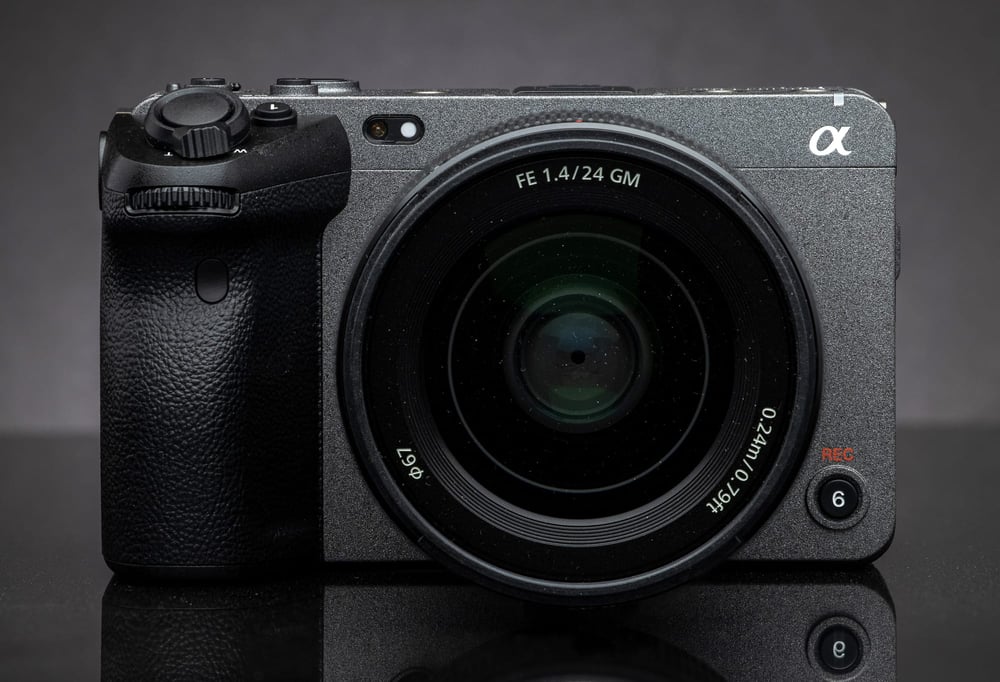

Five films that used the Sony FX3
| Film | What the original source confirms | How to describe the FX3 role |
|---|---|---|
| The Creator | Oren Soffer discusses FX3 photography and exceptions involving other cameras. | Principal camera, with exceptions. |
| The Black Sea | Jackson Hunt lists the FX3 with Canon K35 lenses. | The sole camera listed in his survey entry. |
| Gasoline Rainbow | The Ross brothers identify FX3 use for night material alongside FS7 and phone footage. | Selected photography. |
| Hot Water | Alfonso Herrera Salcedo lists Venice 1, FX6 and FX3. | Part of a package led by Venice 1. |
| Zi | Benjamin Loeb lists RED KOMODO, Bolex and FX3. | One camera in a mixed format production. |
The sources below are interviews with the cinematographers, rather than unsourced camera lists. They do not establish a percentage of FX3 footage for every film.
The Creator: a small camera within a large production
Gareth Edwards’ science fiction feature is the best known example here. In American Cinematographer’s production account, Greig Fraser and Oren Soffer describe a camera choice shaped by mobility and Edwards’ way of operating. The small body helped the production move through real locations.
There were exceptions. The FX9 was used for LED volume work because the FX3 lacked the required synchronisation capability. The ASC account also lists drone photography. Calling every image in the finished film an FX3 image would erase those distinctions.
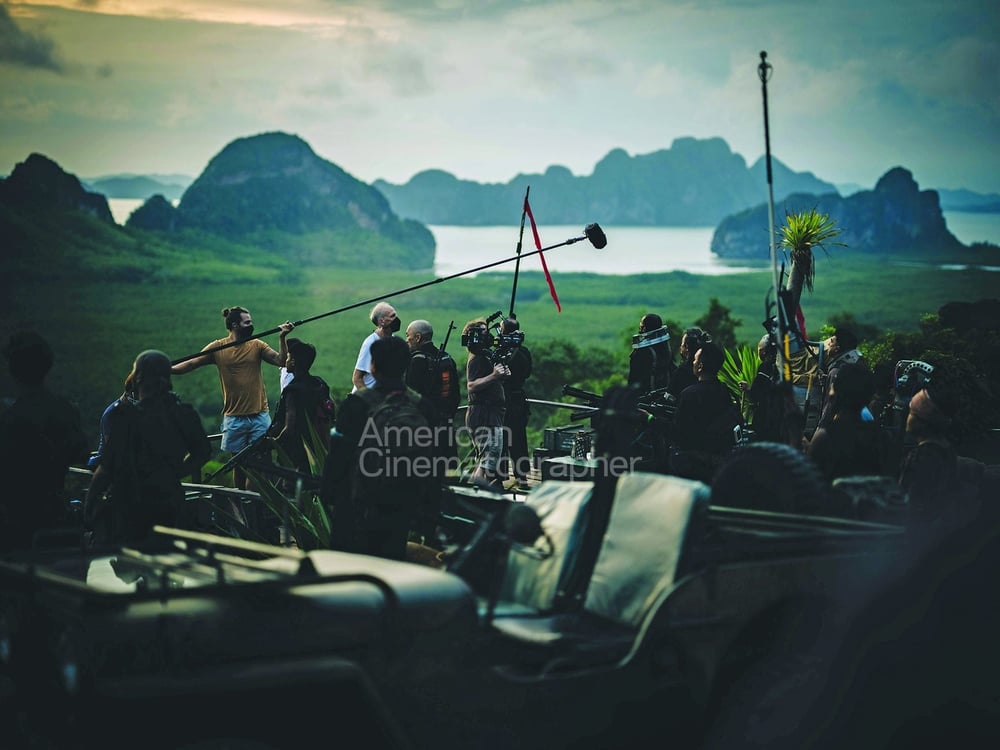
The useful lesson is to choose a camera around the shots and working method you need. A compact body can help an operator reach a position or respond to a performance. It does not supply the location, production design, sound recording or visual effects that surround the image.
Watch Oren Soffer explain the practical tradeoffs
In Matti Haapoja’s interview, start at 1:15 for Soffer’s clarification about the other cameras. At 8:05, he explains the small and light requirement, then discusses compromises including connections and synchronisation. These are production decisions worth testing against your own shoot, rather than reasons to assume one camera suits every job.
The Black Sea: keeping a small crew responsive
For Crystal Moselle and Derrick B. Harden’s The Black Sea, Jackson Hunt lists the Sony FX3 and Canon K35 lenses in IndieWire’s 2024 SXSW cinematographer survey. His account centres on capturing organic moments in Sozopol, Bulgaria, with a flexible, unobtrusive approach.
Hunt also credits the people who made that possible: Dimiter Skobelev pulled focus, while Stefan Miranov worked across camera assistance, lighting and grip. The camera choice belonged to a working arrangement, not an equipment shortcut.
For your own location shoot, turn that into a practical question: can your crew move, focus, record sound and protect the footage at the pace the scene requires? A lighter camera only helps if the rest of the plan can keep up.
Gasoline Rainbow: an FX3 credit can describe a specific job
In the same SXSW survey, Bill and Turner Ross describe using Sony FS7 cameras, footage recorded by the cast on phones and the FX3 for night material on Gasoline Rainbow.
That is a useful corrective to a simple camera badge. When researching a film’s look, ask which scenes used the camera you are interested in. Then consider the lighting, lens and finishing choices in those scenes. The whole film may not be a meaningful reference for that camera alone.
Hot Water and Zi: fitting a camera to the situation
In IndieWire’s 2026 Sundance cinematographer survey, Alfonso Herrera Salcedo identifies the Venice 1 as the principal camera for Ramzi Bashour’s Hot Water. He also lists FX6 and FX3 bodies, describing the compact FX cameras as useful while travelling between locations and working underwater. His account does not assign each of those situations to a particular FX body.
For Kogonada’s Zi, Benjamin Loeb lists RED KOMODO, Bolex and Sony FX3. He connects the small package to moving through Hong Kong without drawing attention to the production. Again, the source confirms a mixed package rather than a film made exclusively with the FX3.
The takeaway is to make your own camera notes specific. Record which body captured each scene and what problem it solved. That is more useful for matching footage in the edit, and more informative when you later explain your film’s production.
Give the finished film a route to viewers
A camera list can help you plan production. It cannot build an audience for the finished film. Decide how you will reach viewers, what you can release publicly and whether any existing screening or distribution agreements affect that plan.
Vidreno On Demand gives you a public home for a film offered free to watch, to purchase or to rent, with filmmaker profiles and crew credits. Use it to give interested viewers a clear place to watch and to recognise the people who made the film. Publishing a page is a starting point for sharing your work, not a promise of an audience or sales.
If your immediate goal is a festival submission, first read what festival programmers look for. For more production examples, our guides to short films shot on RED KOMODO and features shot on Blackmagic Pocket cameras examine different films and working choices.
Questions about films shot on the Sony FX3
Was The Creator shot entirely on the FX3?
No. It was the principal camera, but Soffer identifies exceptions in the interview above, including FX9 use for the LED volume. “Principal camera” is the more accurate description.
Which independent films used the FX3?
The cinematographer accounts linked above identify The Black Sea, Gasoline Rainbow, Hot Water and Zi. Their camera roles differ, so use the table’s qualifications when citing them.
Does a festival film’s camera credit prove it will suit my project?
No. It establishes what that production used. Your locations, shooting pace, crew, sound and finishing workflow still need their own tests. Treat the filmmakers’ explanations as questions to explore, rather than a universal equipment prescription.
Can I release my FX3 film on Vidreno?
Vidreno On Demand is for releasing films to viewers, including free viewing, purchases and rentals. Plan the release around the rights and agreements for your film. Vidreno Hosting is the separate service for videos embedded on your own website or app.