A camera credit tells you which equipment was on a production. It takes a little more digging to find out what that equipment helped the crew do. That is the useful part if you are weighing up an ALEXA rental for a short or an independent feature.
The examples below come from interviews with the cinematographers, rather than an unsourced list of camera names. They are a selection, not a complete filmography, and a camera credit does not prove that every image in a finished film came from one body.
Cover: cinematographer Pierluigi Gigi Malavasi behind an ALEXA 35 on Eternal Return. Photograph © Stefania Rosini, SMPSP, published in ARRI’s production interview.
Films shot on the ALEXA Mini and ALEXA 35
The ALEXA Mini appears in the first three productions below; the ALEXA 35 appears in the final two. Each linked interview identifies the camera and explains a decision worth studying.
| Film | Camera | DP |
|---|---|---|
| Mutt | ALEXA Mini | Matthew Pothier |
| The Climb | ALEXA Mini | Zach Kuperstein |
| Thoroughbreds | ALEXA Mini | Lyle Vincent |
| Parthenope | ALEXA 35 | Daria D’Antonio |
| Eternal Return | ALEXA 35 | Pierluigi Gigi Malavasi |
Mutt: let the available package serve a clear idea
Mutt used an ALEXA Mini, but the production’s equipment choices were also shaped by access and cost. In his Filmmaker interview, Matthew Pothier says that much of the kit was available free or at a substantial discount.
He describes using a 50mm Leica Noctilux for roughly 80% of the film, alongside Leica Summicron lenses. His broader priority was supporting the director’s perspective on the story. Those details give you something more useful than a brand preference: a limited package can still support a deliberate visual approach.
For your own production, make a shortlist from equipment you can actually secure. Then test whether the lenses, working distances and camera positions let you tell the story. A discount matters only if the package works in your locations.
The Climb: budget for the shot, not just the body
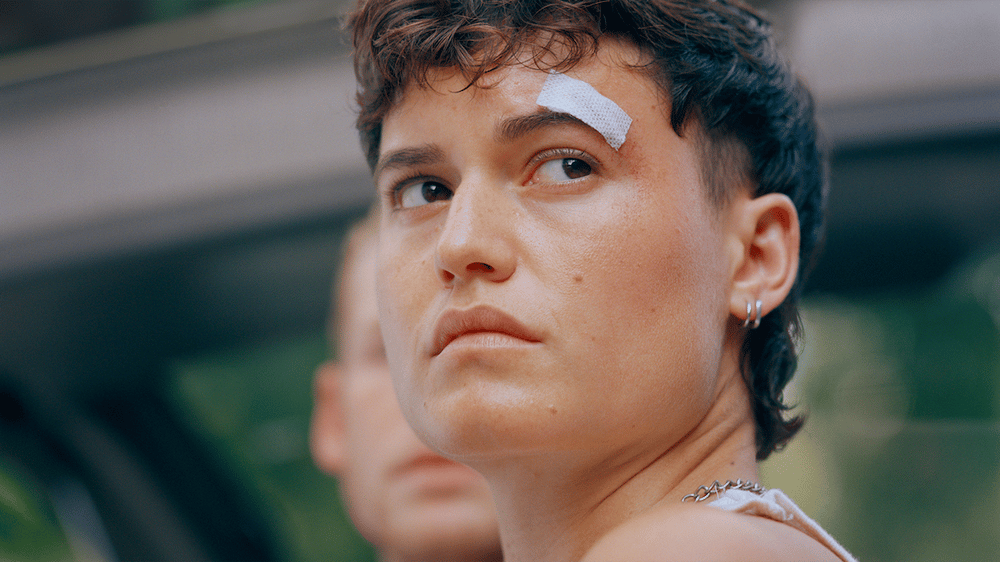
The Climb needed an ALEXA Mini package that could move through long, carefully choreographed scenes. Zach Kuperstein explains in his cinematography interview that size and flexibility mattered because Steadicam operator Brendan Poutier could be carrying the camera for ten minutes at a time.
The film’s technical notes list 3.2K ProRes 4444 recording. Kuperstein also credits the lenses and the final colour work with shaping its period film feel. The finished image was a chain of choices, not something delivered automatically by the camera.
If your short depends on an extended moving shot, test the complete rig with the operator. Include the lens, batteries, focus equipment and monitoring. Rehearsal time and a workable support system deserve space in the budget alongside the camera rental.
Thoroughbreds: make the location part of the plan
Thoroughbreds used the ALEXA Mini partly because its mansion location made a compact, mobile setup valuable. Lyle Vincent’s interview, published under the earlier title Thoroughbred, describes working around antiques and valuable objects while filming long Steadicam takes.
Vincent often created contrast by removing light, rather than filling the rooms with more equipment. The increasingly dramatic lighting followed the story’s movement towards noir. A restricted location became a reason to make more precise choices.
Before booking your package, walk the route your camera needs to travel. Check doorways, turns, places to hide lights and anything the location owner will not let you move. A camera that fits the budget but cannot make the shot is the wrong saving.
Parthenope: test the brightest part of the location
Parthenope used the ALEXA 35 for a visual approach that included bright summer exteriors and interiors with large windows. Daria D’Antonio explains in ARRI’s production interview that the camera’s latitude helped her balance those conditions.
She describes using natural light and reflectors inside the historic house. The production also had four ALEXA 35 bodies, with multiple cameras ready for different demands. This is a professional production example, not a suggestion that a small film needs four cameras.
The transferable lesson is to test your difficult contrast before the shoot. Put a person where the scene will happen, include the window and review the result with your colourist. Decide which detail must remain visible and which shadows can stay dark.
Eternal Return: give movement an emotional purpose
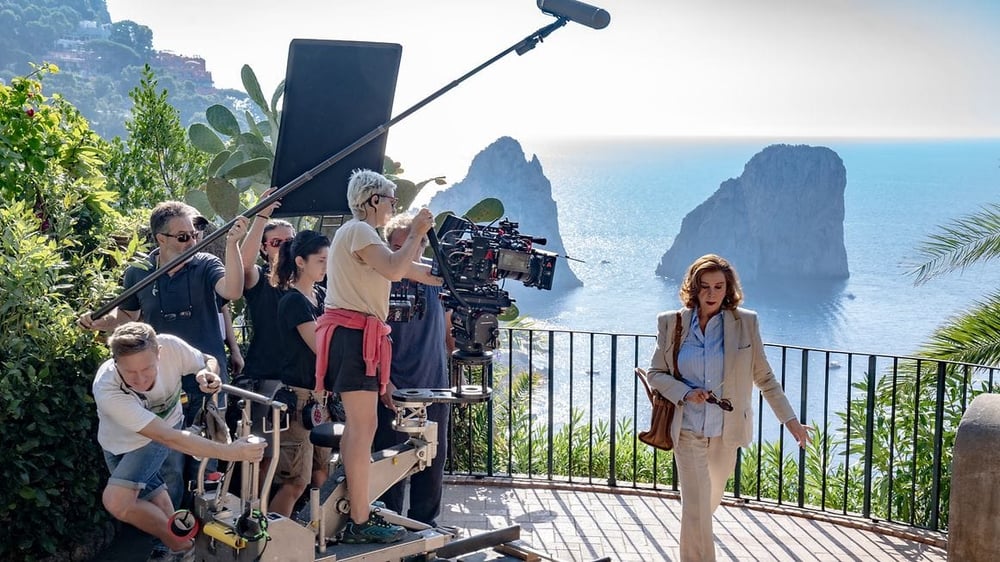
Eternal Return used the ALEXA 35 to support a changing emotional world. In his account of the production, Pierluigi Gigi Malavasi describes restrained movement and cooler, muted images when the central character is at her lowest. As her experience changes, warmth and movement increase.
He also discusses using ARRI Textures. The point is that texture, colour and movement can belong to the same dramatic plan. Choosing them separately because each looks attractive can leave a film without a consistent point of view.
Try writing a short visual rule for each stage of your story before you build a mood board. “The camera stays still while she feels trapped” gives a crew a decision they can apply. “Make it cinematic” leaves everyone guessing.
ALEXA Mini, Mini LF and 35 are different cameras
The ALEXA Mini and ALEXA 35 use Super 35 format sensors, while the Mini LF is a large format camera. Do not treat a Mini LF credit as evidence that a film used the original Mini.
| Model | Useful distinction | Question for your preparation |
|---|---|---|
| ALEXA Mini | Compact Super 35 camera; some recording capabilities depend on licences | Does this particular rental body include the recording mode and mount you need? |
| ALEXA Mini LF | Large format member of the family | Have you checked lens coverage and framing for your chosen sensor mode? |
| ALEXA 35 | 4.6K Super 35 ALEV 4 sensor | Have you agreed the recording format, colour workflow and texture with post production? |
For a short film, ask for a complete rental quote before considering a purchase. Include media, power, monitoring, lenses, support and insurance. Compare what remains for sound, locations, cast and finishing. A camera choice is useful when it protects the whole production.
Give the finished film a home that credits the crew
Vidreno On Demand gives your finished film a public page with a trailer, poster and crew credits linked to filmmaker profiles. You can release the film free to watch or offer purchases and rentals, without a hosting subscription. That makes the film page a useful destination when someone asks to see the work behind your camera credit.
Credit the people who made the images possible, including the cinematographer, operator, camera assistants, gaffer and colourist. Vidreno also supports camera information in the film’s production details. Its film details and credits guide explains the supported fields.
Prepare a finished viewing master rather than uploading camera originals. Vidreno accepts supported ProRes MOV, H.264 and HEVC files; check the current video requirements before export. Films need an SDR main version, with a matching HDR grade added separately where appropriate. Playback depends on the supplied version and the viewer’s device.
Your film page should explain the story as clearly as it credits the equipment. Use our film landing page checklist to prepare the trailer, artwork and viewing offer. If you are planning a feature release, read about selling a feature film through a browser viewing page.
Questions about films shot on ARRI
Which films were shot on the ALEXA Mini?
Mutt, The Climb and Thoroughbreds are three examples confirmed by their cinematographers in the interviews linked above. Check the exact model when researching other films: ALEXA Mini and Mini LF are not interchangeable names.
Which films used the ALEXA 35?
Parthenope and Eternal Return are two examples with production interviews explaining the camera choice. Their different visual approaches also show why the camera name alone cannot describe a film’s look.
Will renting an ALEXA make my film look like these examples?
No camera rental can promise that result. The examples involve lens choices, lighting, movement, locations, performances and finishing. Use a test scene to decide whether a package helps your specific production.
Can I publish my ARRI film on Vidreno?
Yes, provided you have the rights to publish it and supply a finished file that meets Vidreno’s requirements. You can add camera information and crew credits, then choose a free viewing release, purchase or rental offer. The camera brand does not guarantee discovery or sales.