Finishing a short film leaves you with an awkward question: what will someone who knows nothing about the production see when they press play?
A programmer does not have your memories of the shoot. The film has to communicate through what is on screen and in the soundtrack. That is a more useful place to start than trying to reproduce the look of last year's winner.
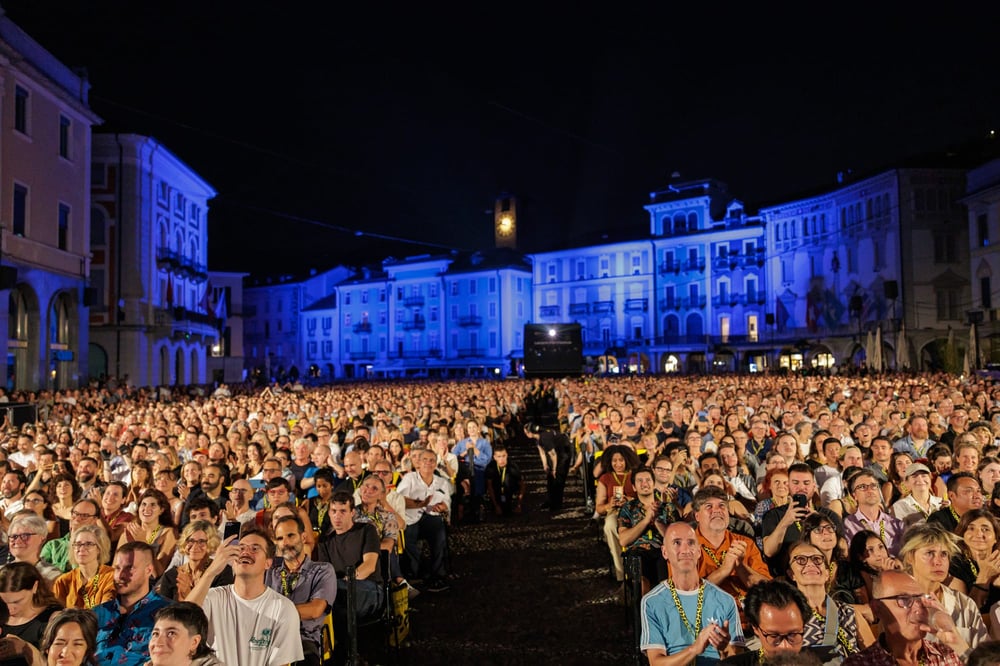

What makes a film stand out to a programmer?
A distinctive point of view matters more than meeting an imagined festival formula. In Sundance's 2022 conversation with its short film programmers, Adam Piron stresses originality, Amanda Salazar highlights perspective and Landon Zakheim puts authentic voice ahead of expensive but empty storytelling.
The current Sundance 2027 submissions FAQ makes a related point in answer 24: no single genre or visual approach takes priority. That is advice about making the film you mean to make, not a guarantee that every approach will be selected.
Try a useful test before another round of submissions. Ask someone outside the production to describe the film's central situation and the feeling it leaves behind. Let them answer without an introduction from you. If their account differs from your intention, find the specific moment where the difference begins.
A strange or ambiguous film does not have to become conventional. You are checking whether the uncertainty is deliberate, or whether essential information only exists in your head.
How much do the opening, pacing and sound matter?
They establish whether the viewer can enter the film's world and stay with it. In her March 2026 account of programming Raindance, Anna Taborska identifies clarity, pacing and sound as recurring problems. Her team considers storytelling, originality, technical craft, emotional impact and audience engagement.
Taborska also describes learning a great deal from the first minute. Read that as a reason to examine your opening, not evidence that all festivals stop watching after sixty seconds.
For a review screening, keep a timestamped note of where a viewer becomes confused or disengaged. Ask what they understood immediately before that point. A scene may need a clearer relationship, a shorter transition or a sound repair rather than a faster cut throughout.
| Review pass | Question to ask | A useful next action |
|---|---|---|
| Opening | What does the first scene make you curious about? | Check whether the next scene develops that question. |
| Dialogue | Which lines repeat something the image already tells you? | Try an alternate cut and compare comprehension. |
| Sound | Where does an intended word or detail become difficult to hear? | Review those moments in the mix and the exported file. |
| Ending | Where does the film's emotional movement finish? | Check whether later material adds a necessary change. |
This is an editorial exercise, not a festival scoring system. Keep changes that make your particular film work better. A quiet opening, a long take or an unresolved ending can be exactly right when each belongs to the film.
Does a shorter running time improve a short film?
Only when the cut becomes stronger. Runtime limits determine eligibility, but there is no universal duration that earns a festival place.
In Micah Khan's 2023 interview below, Sundance programmer Mike Plante describes overexplaining as a recurring problem. Around 7:09, he discusses trusting viewers to make connections; around 8:22, he asks what a journey scene contributes beyond moving a character between places.
His point is useful even if your film is already brief. Imagine a character leaving home, driving and arriving at a hospital. The journey might reveal a hidden passenger or a rehearsed apology. If it only repeats the destination established by the previous scene, try removing it and see what the audience loses. This is an invented editing example, not a rule against travel scenes.
Check the festival's actual category limit separately. Artistic advice in an older interview should never replace the current submission rules.
Why can a good film still miss the programme?
Programmers are assembling an audience experience with limited space, rather than publishing a simple ranking of every submission. Taborska describes balancing tone, genre, geography and different filmmaking voices, including situations where two strong films cover similar ground.
Plante makes the capacity problem explicit in Sundance's 2022 programmer discussion: the team finds more films it admires than it can include. Neither account tells you why your own film received a particular decision.
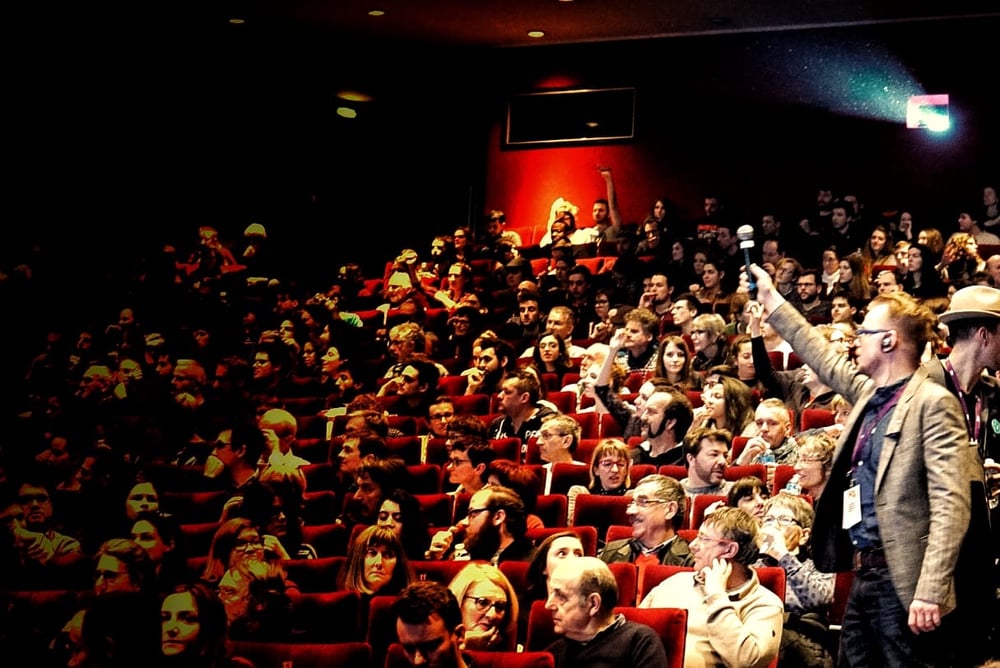

When choosing where to submit next, examine a recent programme rather than the festival's reputation alone. Look at the sections, subjects, formats and running times it actually presented. Write down why your film belongs in that viewing context, alongside its eligibility and the cost you are prepared to spend.
That exercise helps you make a reasoned choice. It does not reveal the next selection committee's preferences, and last year's programme is not a template to imitate.
What should you check before submitting?
Check the version the festival will receive, its eligibility and the information that accompanies it. A strong edit cannot compensate for a file that fails to play or an application in the wrong category.
- Confirm the edition and category. Read the current duration, completion date, premiere and online availability conditions.
- Watch the submitted export. Check the beginning, ending, sound, subtitles and credits in the actual file, not only the editing timeline.
- Test the access route. Use the submission method the festival requires and check that the intended reviewer can watch it.
- Keep the description accurate. Match the title, runtime, language, synopsis and contact details to that version.
- Record what you sent. Save the version name, submission date and relevant conditions so later changes are traceable.
Ask the submissions team about an unclear requirement before relying on an assumption. A public film release and a festival submission are separate decisions.
Give the film a future beyond the selection email
Plan an audience release alongside your festival decisions, then launch it when your rights and remaining commitments allow. Vidreno film pages bring the film, trailer, poster and crew credits together, with credits connecting to filmmaker profiles.
That gives interested viewers and potential collaborators a clear place to find the work and its makers. You can offer free viewing, or use Vidreno On Demand for purchases and rentals, without a required subscription. A public page does not guarantee viewers or sales.
Vidreno Hosting is the separate service for embedding video on your own website or app. For the public release discussed here, use Vidreno On Demand and choose an offer that matches the film's purpose.
Our film landing page checklist helps make that offer clear. The guide to reaching fans for a short film covers the separate job of inviting an audience.
Questions about festival selection
Do festival programmers watch every submission?
Sundance's 2027 FAQ says it views every submitted project with an account in good standing. That is Sundance's stated process, not evidence that every festival uses the same viewing policy or that every programmer watches every film personally.
Do I need an expensive camera to get selected?
No camera purchase guarantees selection. Sundance's programmers emphasise voice and authenticity. Spend attention on whether the images, performances, editing and sound communicate the film you intend.
Does rejection prove my film is bad?
No. It establishes that the film was not selected for that programme. Seek specific feedback where available and compare it with independent viewing responses before deciding whether to recut or pursue another audience.
Can I publish on Vidreno while waiting for festival decisions?
Check the rules and commitments that apply to your film first. Free viewing and paid viewing can both count as public availability. Vidreno is a destination for your audience release; do not assume its public film page is an accepted festival submission method.