The useful question is what those cameras allowed the filmmakers to do. A feature is a long sequence of production decisions, followed by a separate job of getting the finished work to an audience.
Below are three documented examples, the choices worth studying and the release milestones we can verify. These are reported production experiences, not films we have camera tested ourselves.
Which features were shot on Blackmagic Pocket cameras?
These three features have camera credits supported by interviews with their filmmakers, published by Blackmagic Design. Festival and distributor records provide separate evidence of where the films reached audiences.
| Film | Camera in the production account | Verified audience milestone |
|---|---|---|
| Three Headed Beast | Pocket Cinema Camera 4K | Tribeca 2022 world premiere |
| I'm Fine (Thanks for Asking) | Pocket Cinema Camera 6K | SXSW premiere; UK cinema and VOD classification records |
| Down with the King | Two Pocket Cinema Camera 6K bodies | Sony Pictures digital release listing |
Three Headed Beast: a camera that could follow the scene
Three Headed Beast used a Pocket 4K for a production whose shooting crew grew to no more than four people. Director and cinematographer Fernando Andrés describes working with natural light and practical lights in Blackmagic's production interview.
The approach suited a film that communicates extensively through bodies, gestures and music. Andrés describes long takes, wide compositions and choreographed pans, with little time available at individual locations. A compact setup let him change position without rebuilding a large rig.
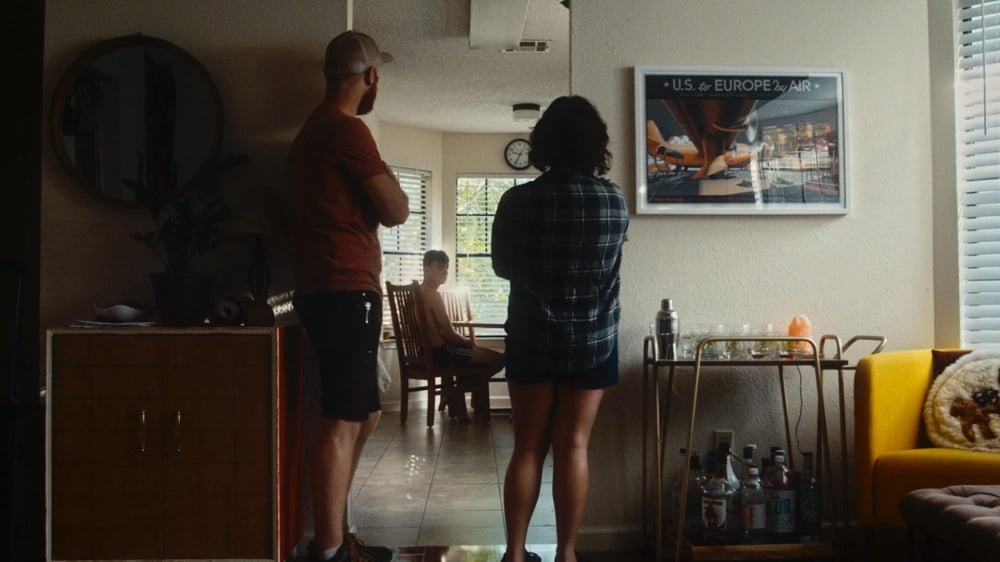
There is a practical exercise here for a small crew: rehearse an entire scene in the real location before adding equipment. List the positions you need to reach and the time each move takes. A modest package earns its place when it preserves the scene's rhythm, rather than simply reducing the kit list.
Tribeca's official record confirms an 83 minute feature, directed by Andrés and Tyler Rugh, with a world premiere in its 2022 US Narrative Competition. That establishes a festival screening, not the terms of a later distribution deal.
I'm Fine: movement and finishing belong in the same plan
I'm Fine (Thanks for Asking) used the Pocket 6K to keep the camera responsive to its central character's movement. Cinematographer Becky Baihui Chen describes a small gimbal rig that could follow Kelley Kali's roller skating, including movement beneath playground slides, in the original production interview.
The team recorded Blackmagic RAW. Chen monitored exposure with false colour during difficult daylight scenes, while the finishing team carried approved stabilisation and reframing into the colour project. Colourist Harry Locke IV treated the feeling of heat as part of the storytelling.
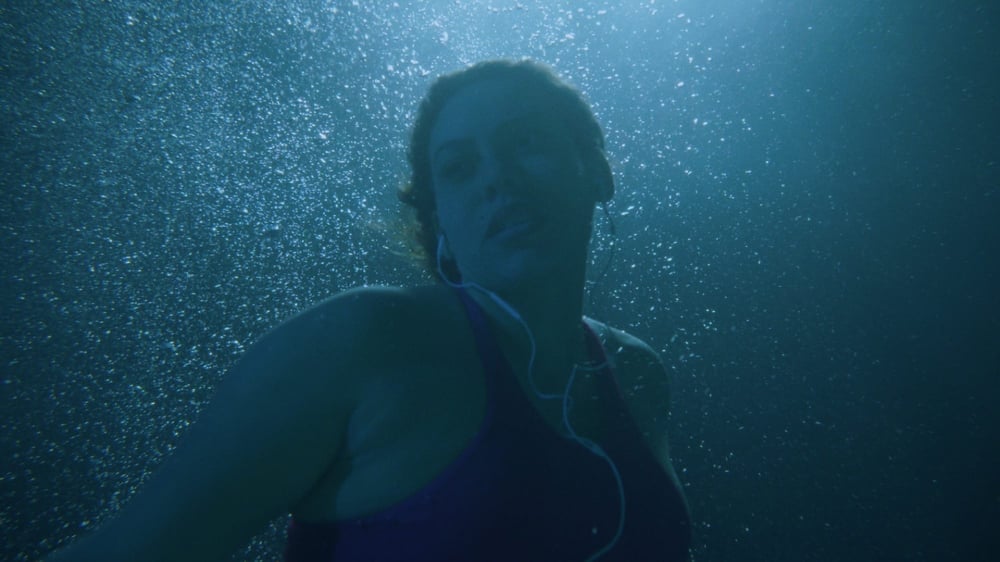
The lesson is to agree a finishing test before the shoot. Take a representative moving shot through the edit, stabilisation, conform and grade. Check that the colourist receives the intended framing and movement, rather than discovering a mismatch when the film is nearly finished.
Annapolis Film Festival's entry confirms the SXSW world premiere and credits directors Kelley Kali and Angelique Molina. Later, BBFC records identify Bulldog Film Distribution for UK cinema and VOD versions. The recorded classification dates are not release dates, but they provide evidence of a commercial distribution route beyond the festival premiere.
Down with the King: protect the time when the light works
Down with the King used two Pocket 6K bodies with anamorphic lenses for a largely handheld approach. Cinematographer Danny Vecchione and camera operator Connor Lawson worked with a compact package, according to Blackmagic's interview with the production.
Vecchione describes photographing the Berkshires in autumn and extending some scenes into twilight. Director Diego Ongaro wanted room for the performers and a small crew presence. The film was graded by Alex Berman at Goldcrest Post NY.
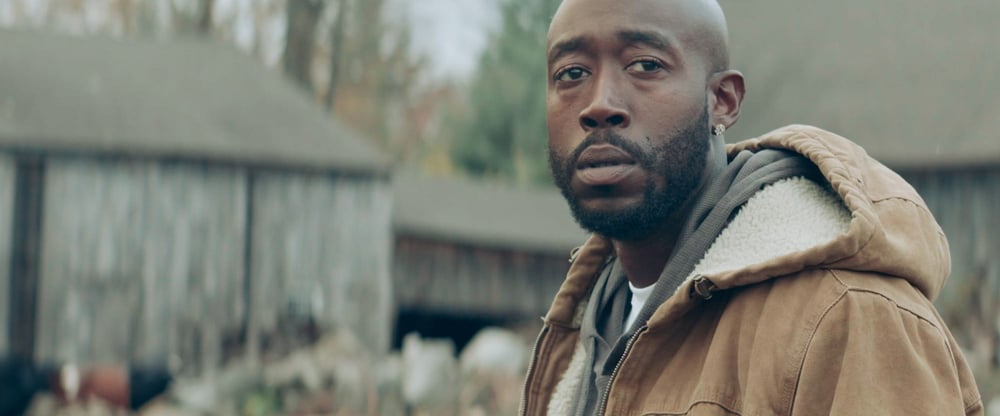
For your own exterior scene, make a plan for the usable light rather than assuming the camera can rescue any hour. Rehearse blocking first, decide which angles need matching conditions and have a simpler version of the scene ready if time runs short. Those are scheduling choices as much as camera choices.
Sony Pictures' official film page lists the film as available digitally. That is evidence of this film's release, not a promise that using the same camera leads to the same distribution outcome.
What does a Pocket 4K filmmaker wish he had planned?
Focus, support and power can matter more on a small feature than another specification comparison. WUNDERWALD Filmmaking's account of shooting The Black and White Game gives specific examples to test before committing to a rig.
He describes moving some planned gimbal shots to a shoulder rig after struggling to keep focus, then stabilising the footage for a 1080p finish. That does not mean stabilisation fixes missed focus. Treat focus control, camera shake and delivery resolution as three separate tests.
Try the longest take in your script with the actual operator, lens, power setup and focus arrangement. Review the finished test at your intended delivery size. This is a more useful decision point than assuming someone else's successful feature proves your package is ready.
Give your finished feature a route to its audience
Vidreno On Demand gives an independent feature a public film page with its trailer, artwork and crew credits, with free viewing, purchase or rental options. Use that page as a clear destination for people who discover the film through its story, cast or production work.
The examples above show different milestones: a festival premiere, classified release versions and a distributor's digital listing. Write down your own release sequence before announcing availability. Confirm any festival requirements and existing distribution commitments with the organisations involved.
If you retain online rights in some countries, Vidreno's film territory controls let you choose where the film can be bought, rented and played. Those controls use the viewer's IP location and cannot guarantee enforcement against VPN use. Match the offer to the rights you actually hold.
Prepare a finished viewing master rather than treating camera originals as your release file. Check Vidreno's current video format requirements, then review the actual uploaded version, its sound and any captions before sharing the page.
Vidreno Hosting is the separate service for embedding videos on your own website or app. For a feature film offered to viewers on its own public page, use Vidreno On Demand. Our film landing page checklist helps you prepare the invitation to watch.
Questions about Blackmagic Pocket feature films
Can a Pocket 4K be used for a feature film?
Yes. Three Headed Beast is a documented example. Its success as a production does not remove the need to plan sound, power, focus, lighting and finishing for your own film.
Were the two 6K examples shot on the Pocket 6K Pro?
The production accounts identify the Pocket Cinema Camera 6K. They do not establish a 6K Pro credit, so we have kept the model name the sources actually give.
Does a festival premiere mean a film has a distributor?
No. A festival record establishes the screening or selection it describes. Look for a separate distributor announcement or release record before claiming a commercial deal.
Can I sell a Blackmagic film on Vidreno?
Yes, if you have the necessary rights and your finished file meets the upload requirements. Vidreno On Demand supports film purchases and rentals; a particular camera brand does not guarantee views or sales.