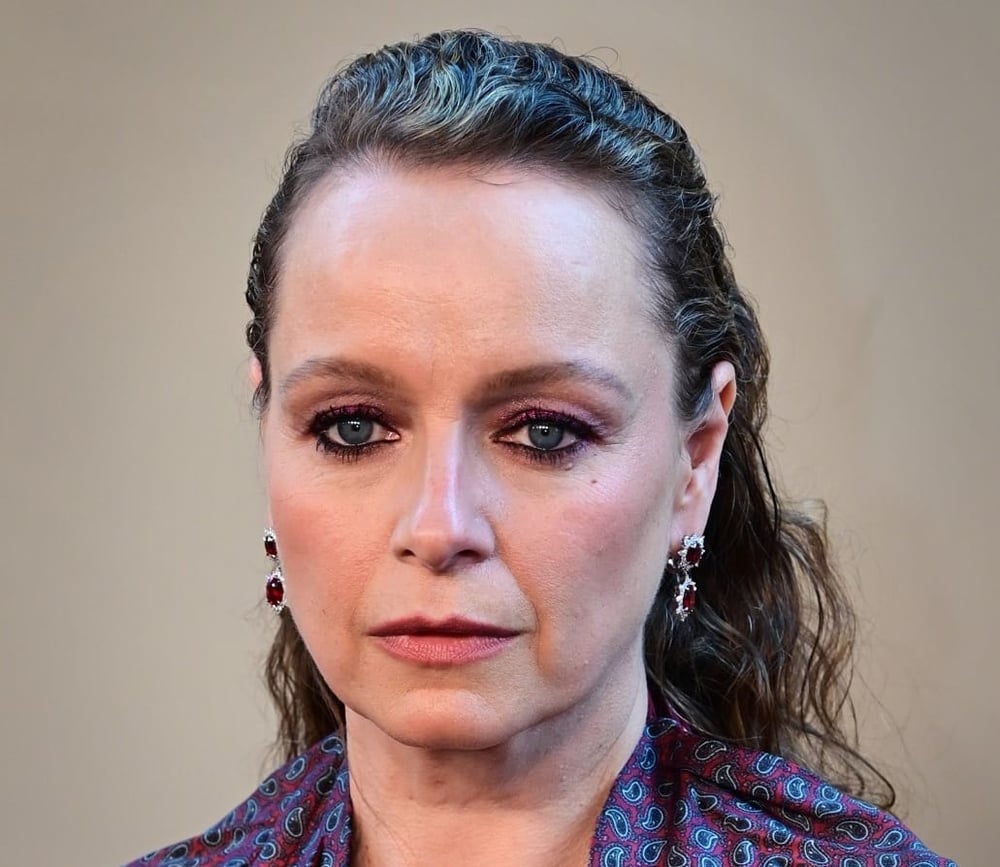
In 2019, Beth de Araújo called Gemma Chan in London about playing the mother in Josephine. Chan wanted the part. Years went by. De Araújo wrote and directed an entirely different feature. Chan kept her word. By the time they sat down together at Sundance, the girl who played Chan’s daughter could hear a rather odd fact about her own film. Her director had started writing it before she was born.
Josephine opened in select US cinemas on 20 November. It took twelve years to reach them. In the middle of that stretch came Soft & Quiet, a thriller about white supremacist women that unfolds over a single afternoon. For de Araújo, the two films belong together. Making the second script first gave other people a reason to trust her with the first.
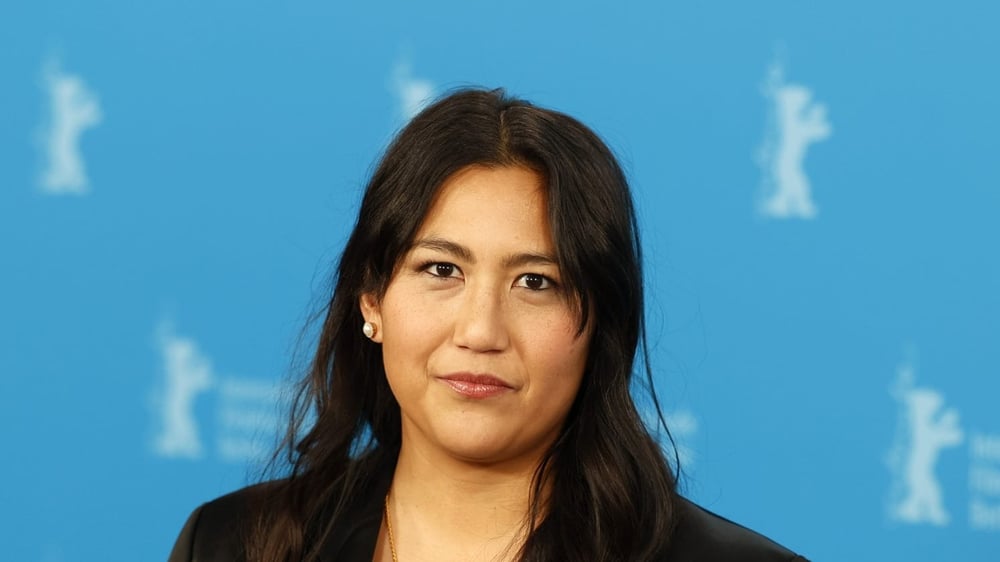
Beth de Araújo at the Josephine photocall in Berlin in February 2026. Photograph by Elena Ternovaja, Creative Commons Attribution ShareAlike 3.0. Cropped for the cover.
Four sisters at the Red Vic
One of de Araújo’s earliest cinema memories is of queuing round the corner at the Red Vic in San Francisco. It was opening day for the 1994 Little Women. Her mother loved the novel so much that she had named all four daughters after the March sisters. On the way in, she took care to explain that none of them was obliged to live out her namesake’s story. De Araújo remembers the conversation in her American Cinematheque interview.
Her father came from Brazil and her mother is Chinese American. Growing up, she played football. She went on to play at the University of California, Berkeley, where she studied sociology. Film initially occupied the hours when training was rained off. Poetry and then screenwriting gave her a way to imagine working in it.
At the American Film Institute, she earned a master’s degree in screenwriting and sat in on classes in other disciplines. As she told TheWrap, learning what a cinematographer did made her wonder whether she wanted to direct. Film school also introduced her to Anisha Acharya, the editor she would trust years later with Josephine.
The short that gave her something to direct
Sending out her student scripts produced encouraging noises and little paid work. One of her published pieces found another route. She adapted her Gawker essay I Want to Marry a Creative Jewish Girl into a short through AFI’s Directing Workshop for Women. The script gave her a reason to gather actors and a crew, and she got to make the decisions she had once assumed a buyer would make.
Television offered practice too. She directed two episodes of Lifetime’s My Crazy Sex. By the time Filmmaker profiled her in 2017, she also had a script about a child who witnesses a sexual assault in Golden Gate Park. It grew out of something she and her father had witnessed when she was eight. She began writing in 2014, after they finally talked about it.
Four evenings to make Soft & Quiet
While Josephine was waiting for financing, de Araújo found a story she could shoot in eight days of people’s time. In Soft & Quiet, a primary school teacher played by Stefanie Estes brings a group of white women together. The gathering has the trappings of a social club. As its purpose becomes clear, the camera stays with the women and the viewer has to watch what they choose to do next.
De Araújo and cinematographer Greta Zozula rehearsed for four days. Then they ran the story from beginning to end on four successive evenings. The disappearing daylight gave the crew a deadline inside every performance. A pause in one place could change the light available at the next location. In their joint interview with Filmmaker, director and cinematographer describe working out the framing as the actors learnt their movements.
The result plays as one continuous take. It premiered at SXSW in 2022, attracted Blumhouse and brought de Araújo a Gotham breakthrough director nomination. She now had an answer for anyone who wondered whether she could sustain a feature. The cast of Josephine would include a newcomer in almost every scene. That made the question of trust particularly important.
Finding the girl who could carry Josephine
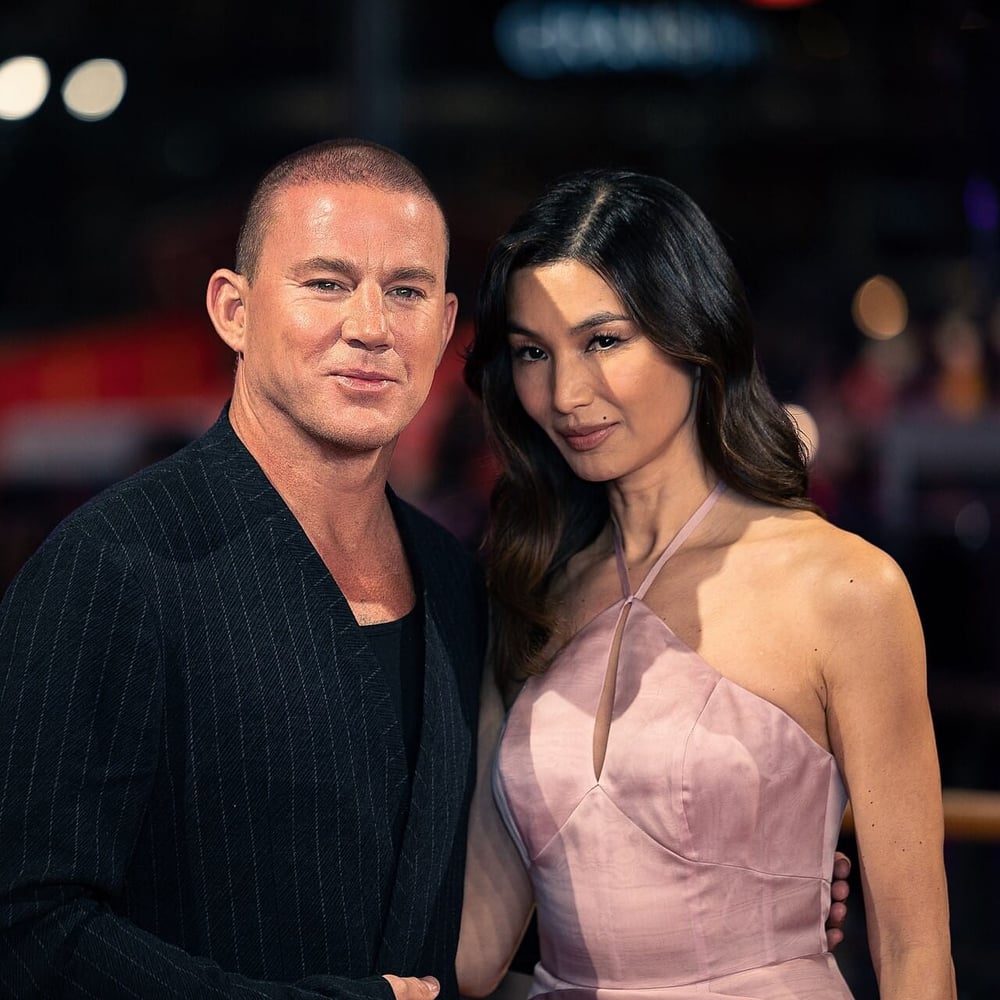
Mason Reeves was walking the family dog at a farmers’ market when she caught the filmmaker’s attention. In the finished film, Reeves plays a child trying to regain some control over her life after witnessing the assault. Channing Tatum and Chan play the parents trying to protect her. Neither adult has much say over what their daughter remembers once she is alone.
What the girl sees at the table
One scene had already gone wrong in a useful way. At the Sundance Directors Lab, de Araújo had tried filming a family around a dining table. She came back with 32 camera setups, enough to cover every line. Watching the edit, she could see the cuts calling attention to themselves. What mattered was where the girl’s attention went while the adults spoke. In the feature, the camera can travel around the table with that attention.
De Araújo and Zozula kept much of Josephine handheld and close to the child’s height. A fixed camera had a particular job. When the attacker appears in the girl’s imagination, the image holds still. The camera loses its freedom of movement just as she feels trapped.
Production designer Tom Castronovo, another returning collaborator, helped build a palette out of traffic light colours. Red, yellow and green are clues a child learns to read early. The filmmakers could use those familiar signals even when Josephine herself could no longer tell whether she was safe. In her conversation with Next Best Picture, de Araújo explains the colour choices, then revisits the dining table at 17:01.
From a lab exercise to a cinema audience
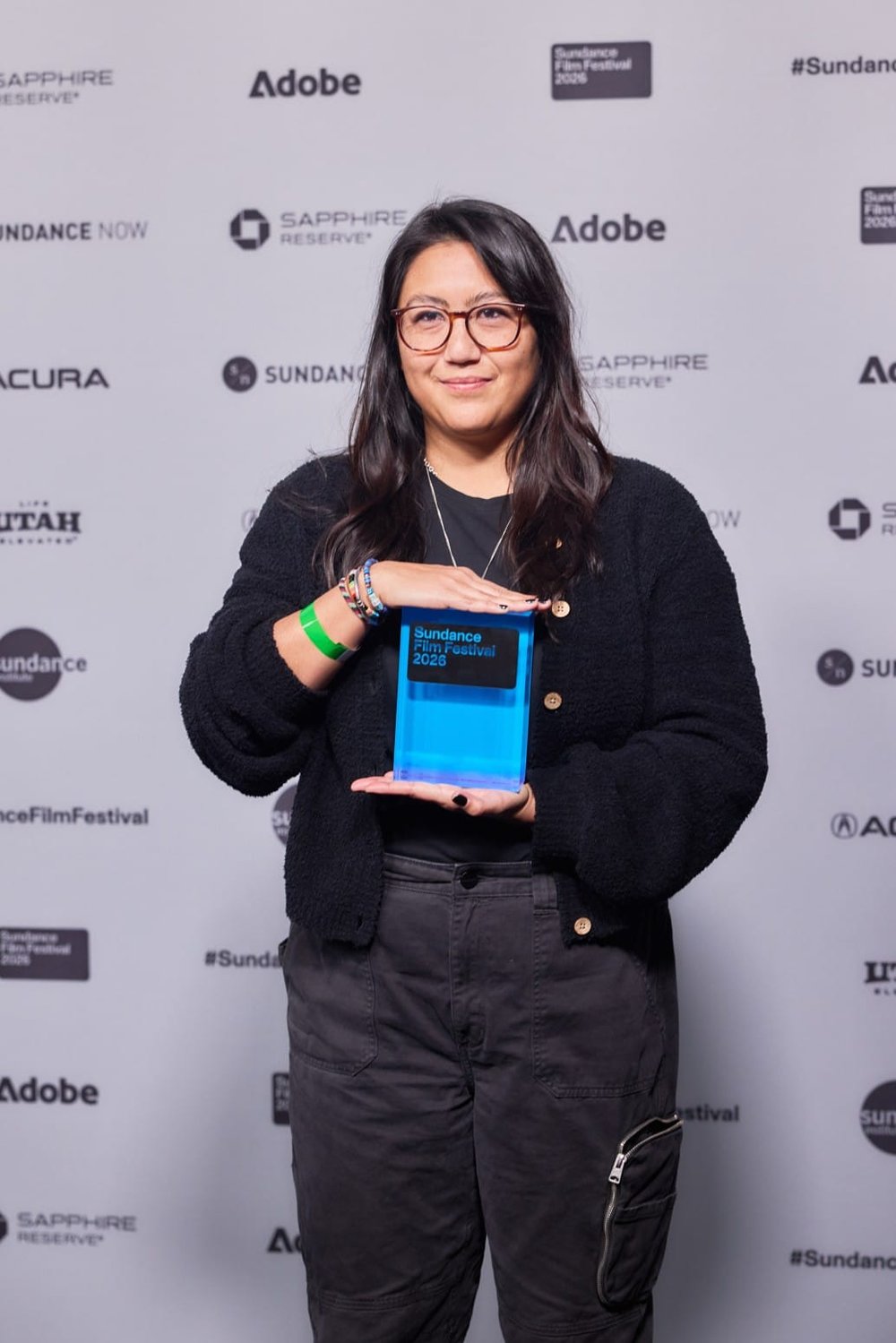
At the 2026 Sundance Film Festival, Josephine won both the US Dramatic Grand Jury Prize and the Audience Award. The festival’s award record lists de Araújo as writer, director and producer. Sumerian Pictures brought the film to US cinemas in November. Its official screening guide lists participating cinemas.
It is worth going back to Chan’s recollection of that first call. She could promise to play a mother. She could keep saying yes when the director went away to make something else. The years of waiting finally bought de Araújo a choice she could exercise at that dinner table. With two stars in the scene, she could still let a child decide where we look.
| Conversation | Where to start |
|---|---|
| American Cinematheque | 3:50 · A family outing to Little Women |
| The Hollywood Reporter | 3:18 · Mason Reeves remembers the farmers’ market |
| Next Best Picture | 17:01 · The dining table scene at the lab |
Credits and further viewing
- Find de Araújo’s screen credits on IMDb and her filmmaker biography.
- Follow US distributor Sumerian Pictures on Instagram or browse its official Letterboxd page for release material.
- For another director who spent years finding a way to make his own scripts, read how Peter Farrelly got to direct Dumb and Dumber.