On her first day doubling Xena, Zoë Bell could handle being pulled backwards through breakaway furniture. What she did not know was where to go afterwards.
She returned to her mark and waited. Someone had to explain that resetting the shot would take a while, and that she could step away. In her later account, the uncertainty is almost as vivid as the stunt.
That is a lovely place to begin her story. The woman who would eventually run stunt departments first had to learn how a set worked, one unfamiliar moment at a time.
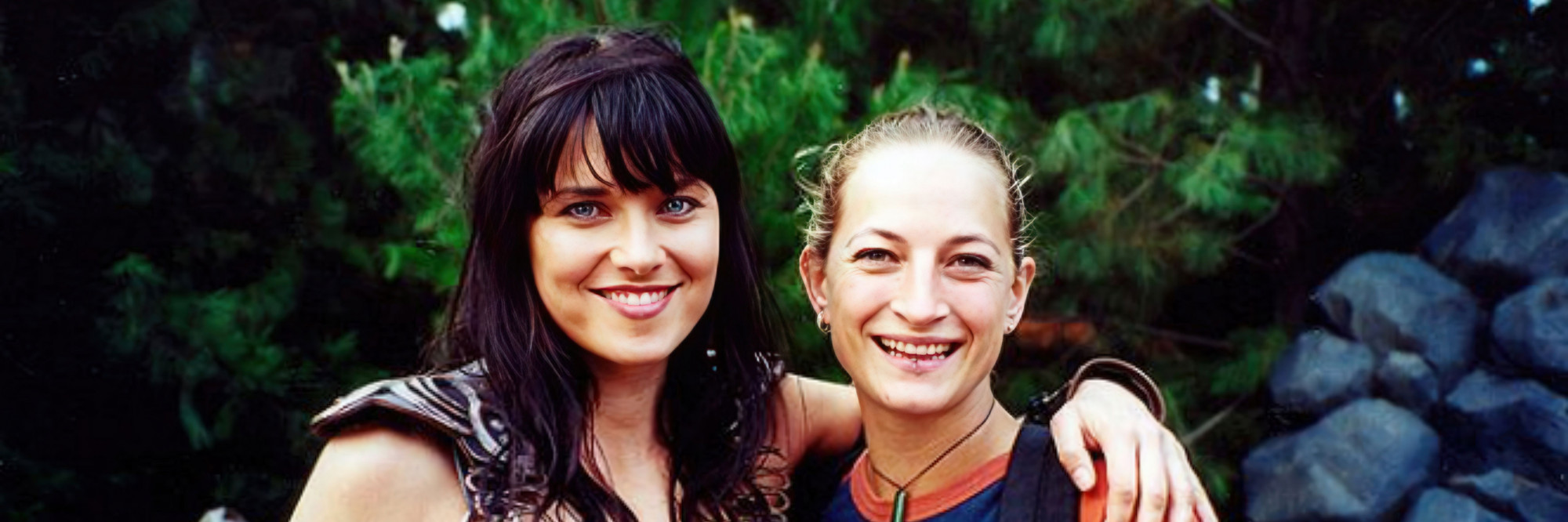
Cover: Lucy Lawless and Zoë Bell together during Xena, in an image accompanying Double Dare. Source: Oldenburg Film Festival’s Zoë Bell tribute.
Waiheke Island, gymnastics and a useful phone number
Bell grew up on Waiheke Island in New Zealand. In a Vilcek Foundation interview, she remembers days outside building forts and catching tadpoles, then coming home before dark.
Gymnastics caught her imagination. After moving to the mainland, where she could train, she began turning that fascination into physical skill. Martial arts became another part of her preparation.
Meeting people who worked on television productions revealed a possible career. Fighting and tumbling were things she enjoyed; discovering that people were paid to perform them changed what she thought she could do.
Her father, a doctor, helped make the first connection. Bell recalls that he treated a stunt performer in an emergency department and came home with a phone number. Two months later, she was doing her first stunt work.
Xena was her practical education
Doubling Lucy Lawless on Xena: Warrior Princess gave Bell sustained work and a place to learn. Her NZ On Screen profile places that television experience at the start of her route to Hollywood.
Looking back with Perri Nemiroff on Collider Ladies Night, Bell describes feeling immediately at home among stunt people, while still finding the actual job bewildering.
The wig and costume initially felt strange. So did the language of a shoot. For about three months, whenever somebody called cut, she assumed she had done something wrong.
Then came a small but important change: she could tell when the problem was elsewhere. Confidence arrived through understanding what the whole crew was doing, rather than simply surviving another take.
Jeannie Epper, Double Dare and the move to Hollywood
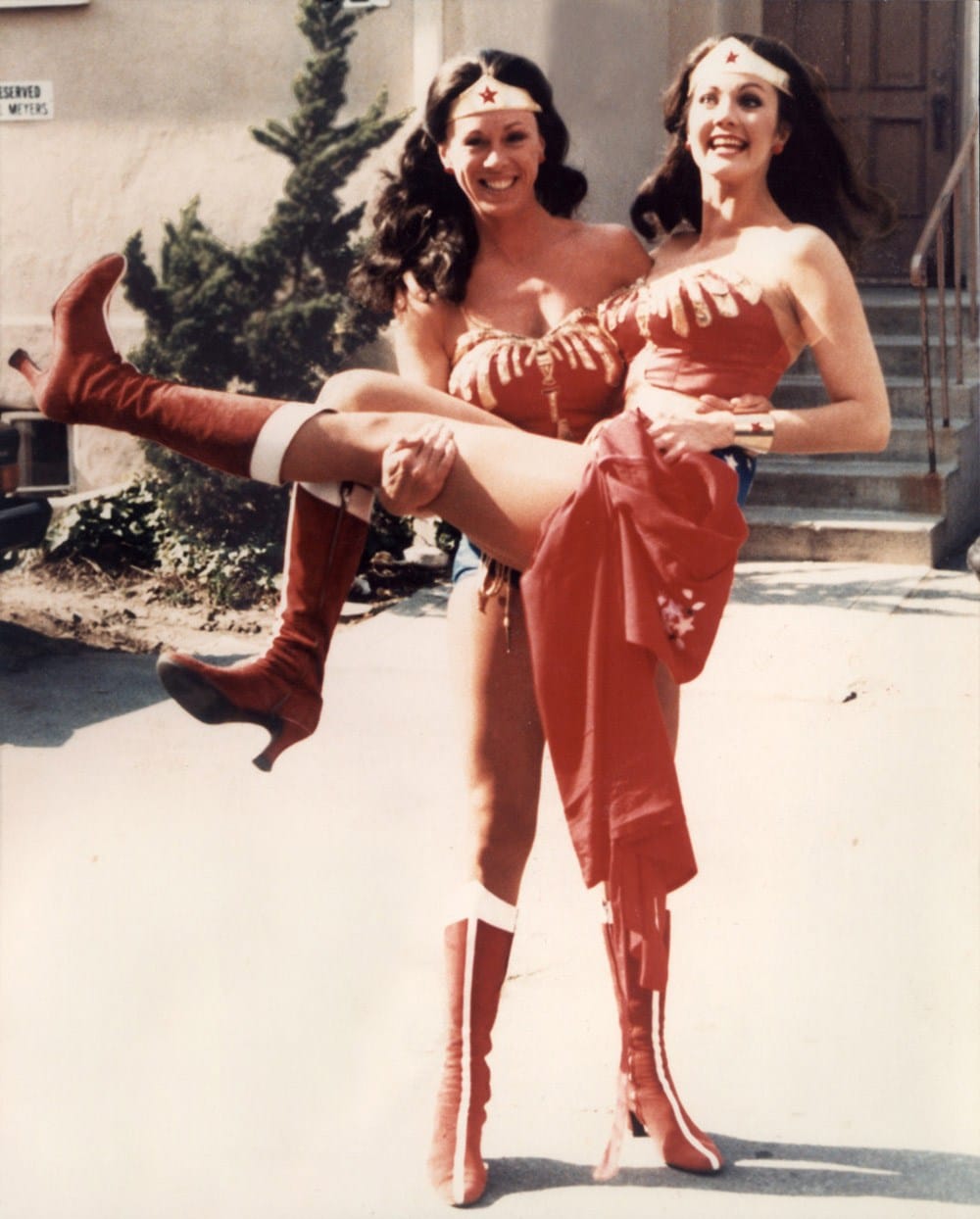
Amanda Micheli’s documentary Double Dare catches Bell during the transition from New Zealand television to the American film industry. It pairs her story with that of Jeannie Epper, the veteran performer known for doubling Lynda Carter in Wonder Woman.
Epper became a mentor as Bell tried to establish herself in Los Angeles. Their relationship gives the film its human centre: an experienced woman helping a younger one find her place in a demanding profession.
That support mattered. ScreenAnarchy’s career interview credits Epper with helping Bell secure the audition for Kill Bill. The opportunity became her major Hollywood break.
Kill Bill changed how she understood performance
Bell doubled Uma Thurman in Quentin Tarantino’s Kill Bill films. It was a much larger stage for her work, but one of the lessons she remembers involved a surprisingly simple question.
During a sequence in which the Bride runs up a staircase banister, Tarantino asked about her motivation. Bell initially thought he was joining a familiar joke among stunt performers about simply getting paid.
He meant the character. What had happened to the Bride? Why did she need to reach the person upstairs? Bell describes the exchange in The Hollywood Reporter’s interview.
The movement already existed. Understanding what drove it changed the performance. Bell was contributing to the Bride’s emotional life as well as executing the physical action.
Death Proof made the stunt performer the star
In Death Proof (2007), Tarantino cast Bell as a fictionalised version of herself. This time the audience could see whose face belonged to the action.
The car chase puts her on the bonnet of a Dodge Challenger as Kurt Russell’s Stuntman Mike pursues the women. Her IMDb record identifies the role alongside the stunt and acting credits that surround it.
Years later, Bell told Collider that the sequence still makes her flinch for her own safety when she watches it. She knows the outcome, yet the finished scene still works on her.
She also spreads the credit: Tarantino, the camera team and the Dashnaw stunt team all helped create that reaction. It is a useful reminder that the performer on the bonnet is the visible part of a much larger collaboration.
Acting led to a say in how films were made
Bell’s screen work widened. She appeared as Bloody Holly in Drew Barrymore’s Whip It and later as Six Horse Judy in The Hateful Eight. Those credits on her agency profile sit alongside leading roles in smaller action films.
Raze brought her into development
Raze (2013), directed by Josh C. Waller, was a turning point behind the camera as well as in front of it. Bell played Sabrina and became a producer.
In her Collider conversation, she recalls helping develop the character, story and progression of the action from the beginning. Instead of joining a production to solve one part of it, she could help shape what the film was trying to make an audience feel.
Camino offered a different kind of lead
Waller and Bell worked together again on Camino (2015). She played Avery, a photographer whose assignment in the Colombian jungle becomes a struggle to survive, and also served as an executive producer.
In the Vilcek interview above, Bell recalls Waller describing a male journalist before explaining that he wanted her for the role. The character kept the name Avery. Bell was interested in how the same situation could feel different through a woman’s experience.

From doing the stunt to leading the department
Bell’s stunt career continued alongside acting. She doubled Cate Blanchett in Thor: Ragnarok (2017), then took a coordinating role on Thor: Love and Thunder (2022), both directed by Taika Waititi.
The move into coordination changed what she was responsible for. On Once Upon a Time in Hollywood (2019), she was helping deliver Tarantino’s action while looking after the people performing it.
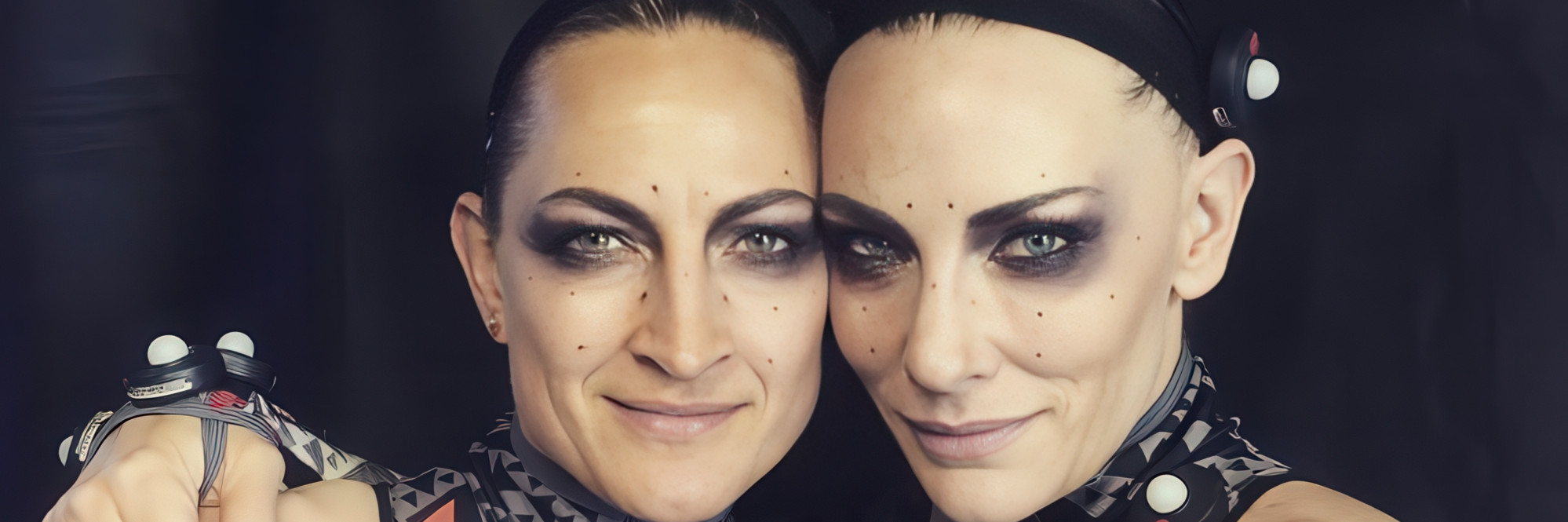
In the Collider interview, Bell recalls a proposed rooftop shot that needed a different solution because of the safety requirements. Part of the job was finding a way to explain the constraint and work towards something the director could use.
That is a revealing change from the newcomer waiting on her mark. She had become someone expected to speak with authority, make decisions and take responsibility for other performers.
What changed as her responsibilities grew?
- As a double, her physical performance needed to belong to the character another actor was playing.
- As an actor and producer, she could help develop the character and story from the start.
- As a coordinator, she had to connect the intended action, the camera plan and the safety of the people doing the work.
Later work, directing ambitions and recognition
On Haymaker (2021), Bell combined acting with stunt coordination, executive producing and second unit directing. In her ScreenAnarchy interview, she described directing as a way to bring together the departments and skills she had encountered across her career.
Her agency’s credits also include stunt coordination on the 2024 Time Bandits series. The career has continued across television, independent films and much larger productions.
Speaking to Collider in 2024 about the planned feature Free Fall, Bell explained her attraction to its father and daughter story and to action that reveals character. That interview records a directing project in development, rather than establishing a completed release.
Oldenburg Film Festival’s 2026 tribute looks back across the same range, including Double Dare, Death Proof, Angel of Death and Once Upon a Time in Hollywood. Together, they show how often Bell has moved between being the person audiences see and the person helping make a scene possible.
A few useful distinctions
Is Double Dare a fictional action film?
No. Amanda Micheli’s documentary follows the working lives of Bell and Jeannie Epper, including the uncertainty and relationships behind their stunt careers.
Is Death Proof Bell’s real life story?
No. She plays a fictionalised version of herself in Tarantino’s thriller. The character shares her name and profession, but the story is fiction.
Did Bell play Hela in Thor: Ragnarok?
Cate Blanchett played Hela. Bell doubled her for stunt work. Their matching appearance in the photograph reflects that shared character, rather than two separate roles.
Did Bell direct Raze and Camino?
Josh C. Waller directed both films. Bell starred in them and held producing credits, which gave her a different kind of involvement in bringing them to the screen.
Follow Zoë Bell’s work
- Zoë Bell on IMDb for her screen and production credits.
- Johnson & Laird’s official profile for her professional biography and selected work.
- Her official Facebook page, linked from both her agency and NZ On Screen.
For another career that moved from performing into shaping productions, read our Philip Barantini story. His route through acting, kitchens and directing is very different, but it also shows experience in one job informing the next.
Making your own film is only part of its journey. Our guide to building a film landing page explores how to help viewers understand what you have made and decide to watch.