Lloyd Edgar gave himself a summer. At 18, with a university place waiting in London, he decided to try finding film work first. If nothing happened within two months, he would go and study.
Within a month, he says, he had a job as a videographer at a local radio station.
That decision is one of several turning points in the Belfast filmmaker’s September 2026 interview with Portfoliobox. The story moves from childhood experiments to BBC commissions, then to the less tidy business of finding the next film while making a living.
The summer his dad brought Lego to life
Edgar remembers discovering films on his dad’s laptop during a family holiday. Pirates of the Caribbean, Back to the Future and Indiana Jones became worlds he wanted to revisit.
When he was about seven, his dad suggested making stop motion films with Lego. They spent the summer recreating scenes together. His father did not work in film, but gave him something practical: a way to make the pictures himself.
Online tutorials followed. Film Riot and other filmmaking channels became part of his education, alongside the films he kept attempting. The university decision came after years of that practice.
Learning the work before becoming the director
Paid camera work was a beginning, rather than an instant leap into directing television. His IMDb credits include editing the 2021 short What We Left Behind, the television special A Kids’ Country Christmas and the series Read All About It!
Those jobs help explain the breadth of the career. On his official portfolio, Edgar offers editing, camera work, aerial filming and motion graphics alongside directing. Production collaborators include Ronin Films, High Rock Media, Fine Point Films and CleanSlate.
His first BBC documentary changed how he described himself. In the interview, he recalls finally being able to drop the word “aspiring”. He had made the film he had been working towards.
The big break: Chasing Gold
Rhys McClenaghan: Chasing Gold was his first commissioned directing credit. Produced by Ronin Films for the BBC’s Our Lives strand, the 2023 documentary followed the gymnast through a demanding run of competitions.
It also began with a relationship that long predated television. Edgar says he and McClenaghan had known each other since primary school. He was filming someone whose progress mattered to him personally.
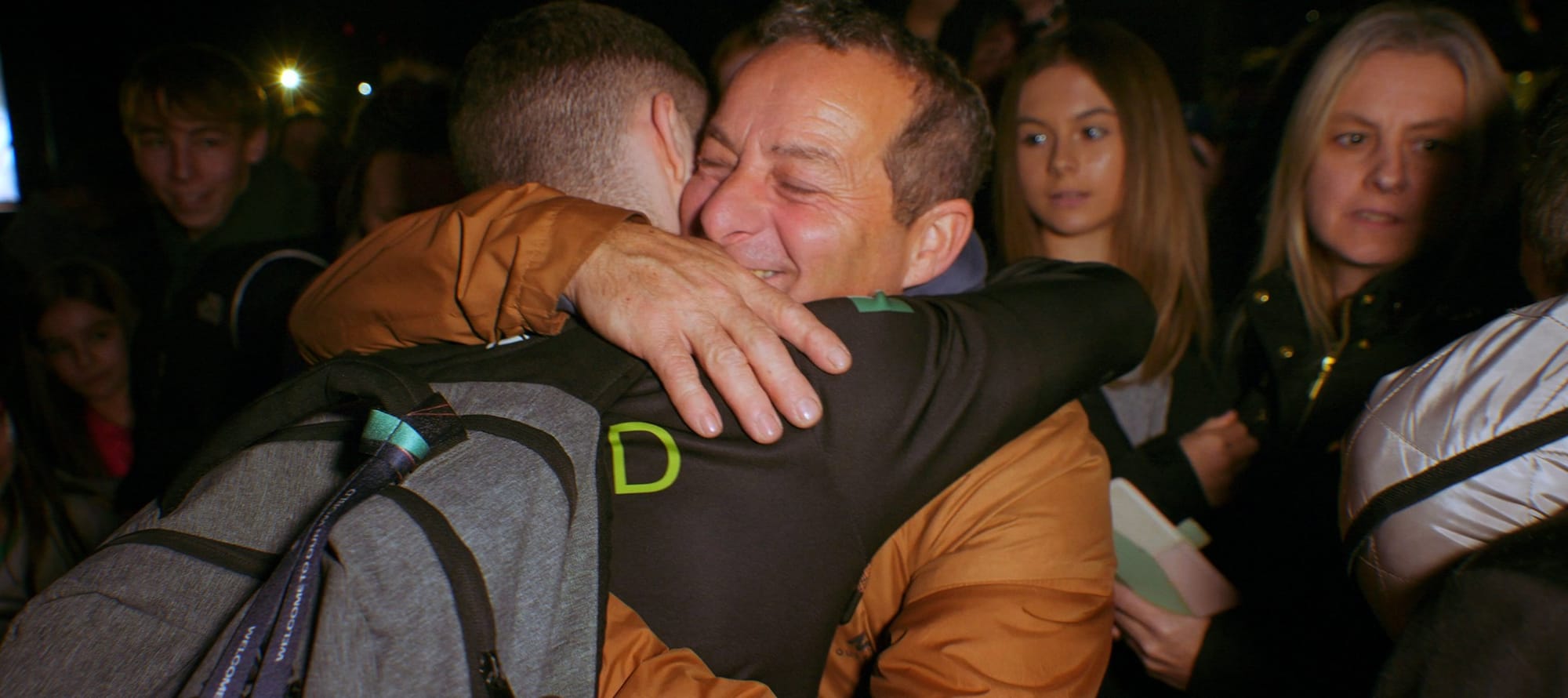
In his interview, Edgar recalls crying while filming McClenaghan at the World Championships in Liverpool. He wanted the finished film to communicate that feeling to people who had never met his friend.
The commission had required a more practical step first. Edgar describes making a five minute teaser so the BBC could see the film they were proposing. Interest did not become an immediate yes. In his account, news attention around McClenaghan helped turn the prepared project into a commission.
The finished documentary is available on Edgar’s own YouTube channel. It lets you compare the filmmaker’s account with the work that made his breakthrough.
One film opened the door to Principal Ballerina
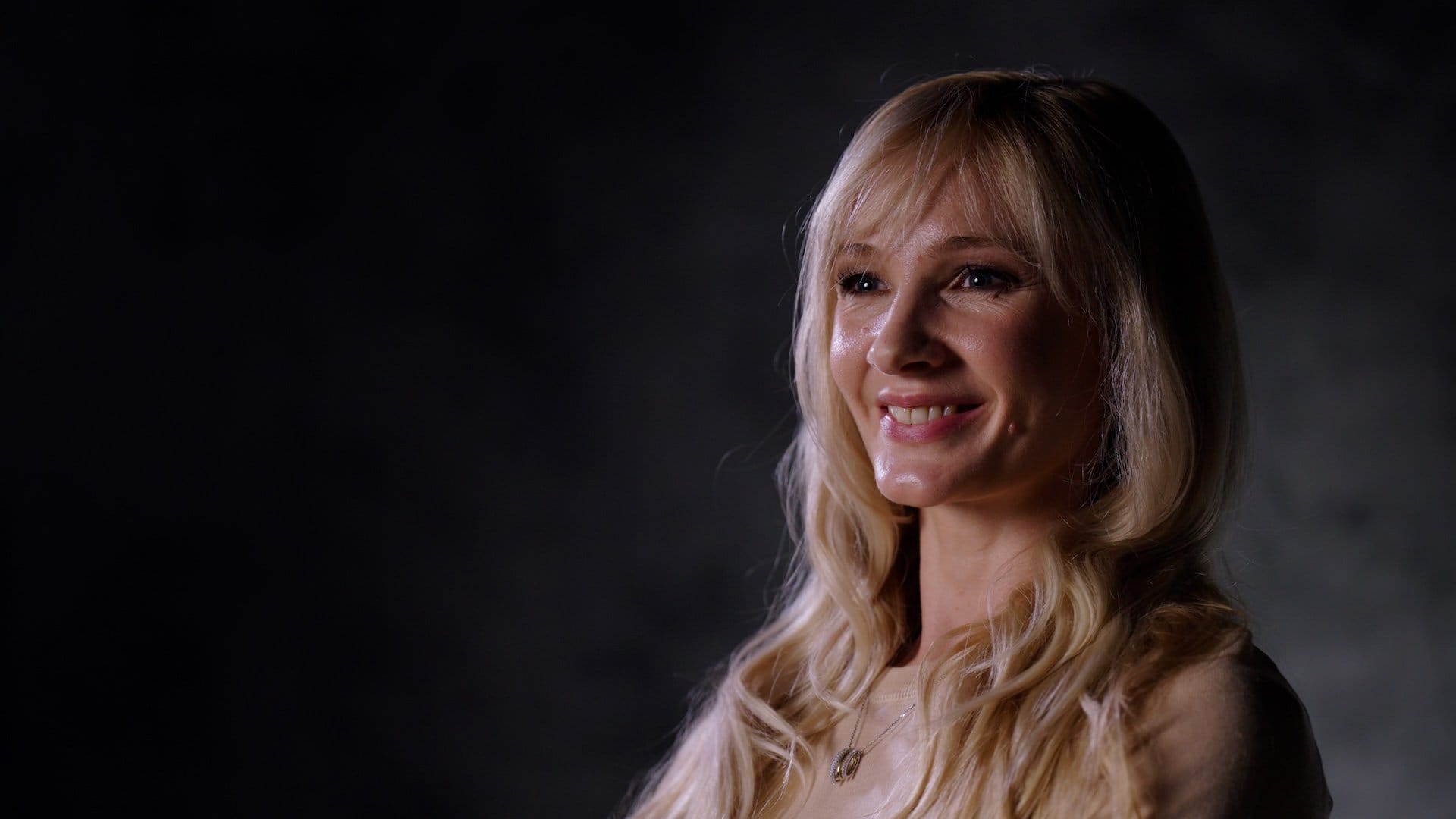
The next opportunity came through somebody watching the previous work. A producer Edgar identifies as Tina saw Chasing Gold and approached him about a film on ballet dancer Melissa Hamilton.
They flew to London at their own expense to make a teaser, returning the same day to save money. Edgar remembers having roughly two hours with Hamilton. She was then a First Soloist, still hoping to become a Principal.
The footage became especially valuable when news of her promotion arrived. Edgar says he quickly assembled the teaser and sent it to the BBC. The new development gave an existing idea a timely reason to be made.
Principal Ballerina, again produced by Ronin Films, aired on BBC One in February 2026. Its subject had reached the Royal Ballet’s highest performing rank, but Edgar became increasingly interested in the journey that had taken her there.
Finding the story on the wall
Edgar describes putting life events on separate cards and moving them around a wall. The physical timeline helped him decide what belonged, what could go and where a flashback might work.
That is a revealing part of his development as a director. The original commission was concerned with Hamilton’s present life. As he filmed, her earlier experiences drew him towards a broader life story.
At 24:00 in the interview, he connects his thinking to Aaron Sorkin’s emphasis on intention and obstacle: what someone wants, and what prevents them getting it. Our story of how The Social Network was made explores Sorkin’s writing in another setting.
Nature films, commercial work and a different kind of documentary
Edgar’s 2026 work also includes Love Nature, made with High Rock Media for Channel 5. These are short films about people restoring and protecting the natural world, from volunteers to conservationists.
The scale changes, but the people remain central. Each instalment has about three minutes to introduce a place, the work being done and why it matters.
In the September interview, Edgar also discusses a Channel 4 project about AI scams, intended for YouTube first. He describes it as a different format, built around a presenter. It shows a filmmaker trying another way of reaching viewers, rather than treating his first BBC commission as the end of the journey.
Between his own documentaries, he continues to take production and commercial work. The career is made from those different jobs as well as the films with his name as director.
What is useful about Edgar’s route?
- The early practice was real work. Childhood films and online learning preceded his first paid opportunity.
- Editing belongs in the story. His credits show work behind other productions before the BBC directing breakthrough.
- Relationships carried projects forward. A school friendship helped shape Chasing Gold; that film introduced his work to another producer.
- A sample made an idea visible. His teasers gave commissioners footage to consider when the subject became timely.
None of that makes his path a formula. It does make it more useful than a sudden success story: there are recognisable pieces of work between the ambition and the broadcast.
Explore Edgar’s IMDb filmography, YouTube channel and Instagram for more of his work. For another documentary filmmaker’s route from small films to television, read our John Wilson story.
Ready to share your own film? Create a free Vidreno account to explore hosting and publishing your work.