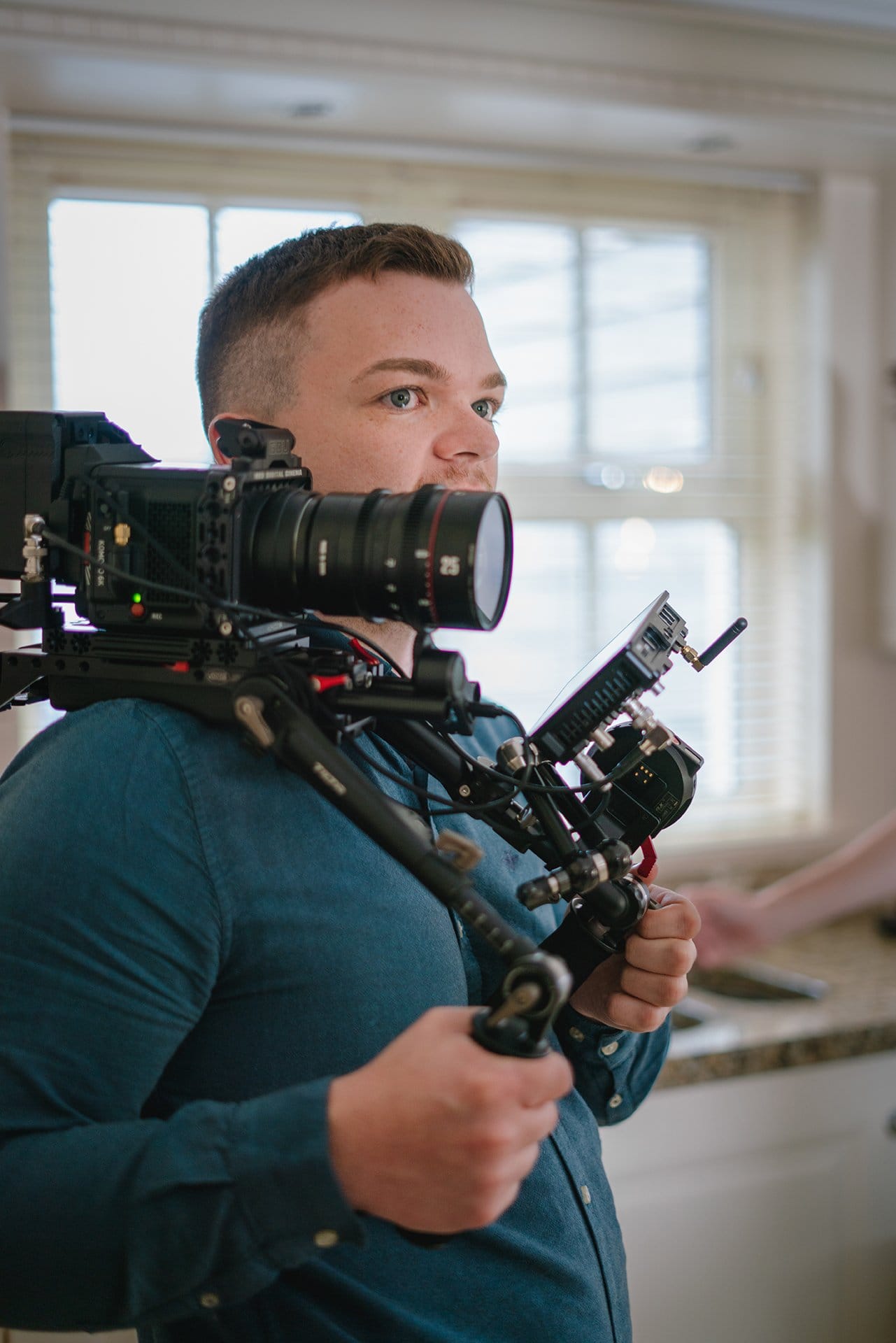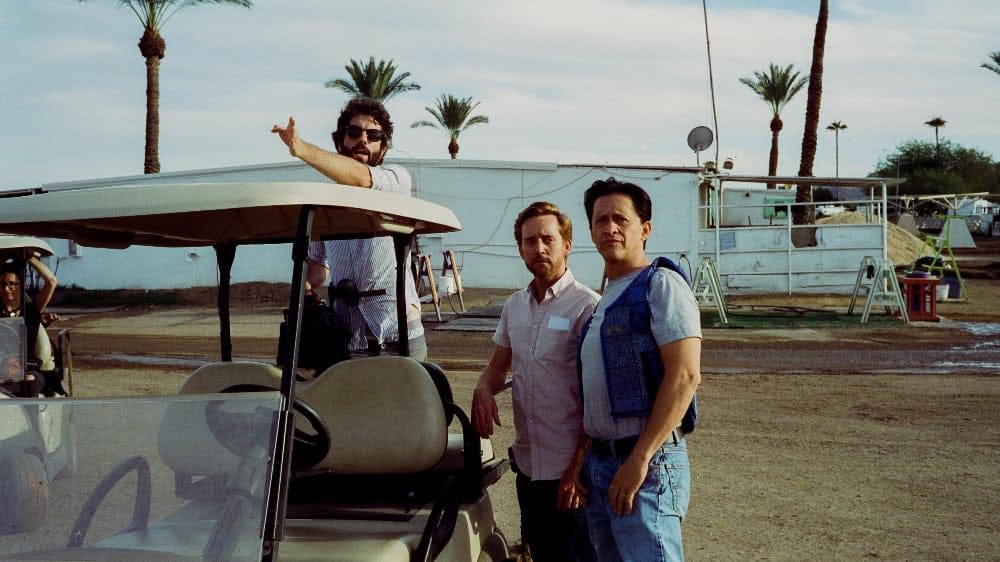
Before Train Dreams brought Adolpho Veloso an Oscar nomination, there was a working racecourse, a small crew and a camera close to Clifton Collins Jr’s face.
On Jockey, the race did not always need a horse. Collins could perform on a substitute in the back of a pickup truck while Veloso filmed him at close quarters. The solution kept the audience with the rider, inside his effort.
That combination of practical ingenuity and attention to a performer runs through Veloso’s career. The Brazilian cinematographer’s story starts in São Paulo and now stretches across films made with Clint Bentley, Lance Hammer and M. Night Shyamalan.
São Paulo, film school and the first jobs
Veloso was born in São Paulo in 1989. In his interview with Deadline, he remembers watching A Clockwork Orange at about 12 or 13 and then exploring Kubrick’s other films.
City of God made another connection possible. Here was ambitious cinema coming from Brazil, close enough to make the idea of doing it himself feel real.
He initially imagined becoming a director. As he told American Cinematographer, learning what a cinematographer actually did changed that ambition. The camera, lighting and blocking were where he wanted to work.
He studied at São Paulo’s Fundação Armando Alvares Penteado. Alongside studying and early crew jobs, he shot shorts and music videos, building experience before moving into commercial work.
Commercials opened doors without replacing films
The move from film to digital coincided with his early career. Veloso told American Cinematographer that commercial work attracted the attention of his Los Angeles agent and led to jobs across Europe, Asia and North America.
A Nike commercial with Nicolas Winding Refn was a particular thrill: he was working with a director whose films he admired. Yet narrative features remained an ambition. Asco, released in 2015, was his first.
By 2018, the magazine had included him among its Rising Stars of Cinematography. He was already developing a body of work, years before the American awards attention around Train Dreams.
The documentary that brought the email
Veloso’s work on On Yoga: The Architecture of Peace reached Bentley and his collaborator Greg Kwedar. They emailed him with the Jockey script and footage of riders training at dawn.
In his Below the Line interview, Veloso describes a 20 day shoot with around ten crew, sometimes fewer. It was his first US feature, filmed at Turf Paradise, an operating racecourse.
In his Sundance interview with Filmmaker, Veloso explains the aim: blend scripted scenes with improvisation so the audience stays inside Jackson’s experience. The real riders and the track itself helped shape their approach.
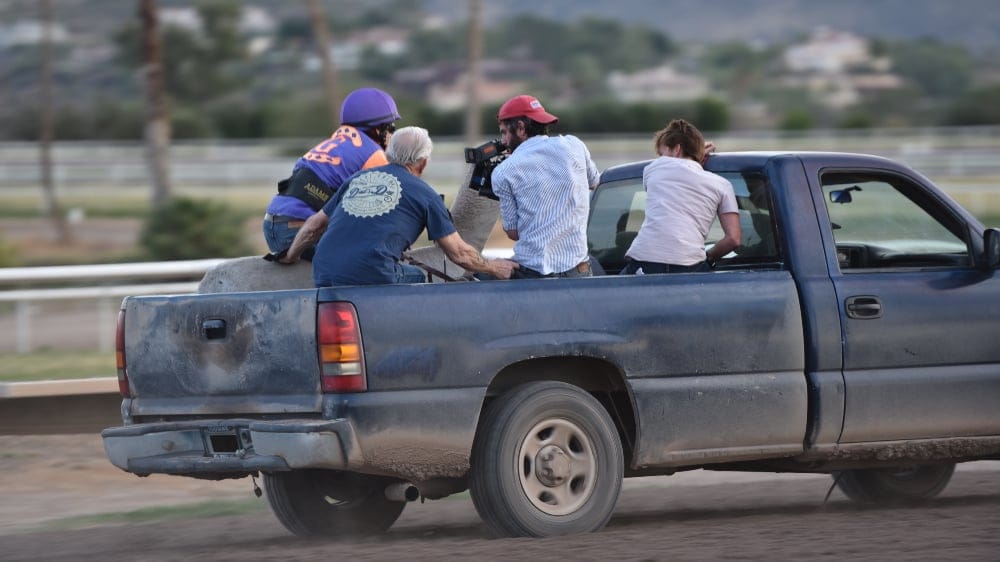
The truck setup was one answer to the restrictions of a real racecourse. As he explains in that interview, Collins performed on a fake horse while the producer threw mud. Veloso stayed close to the character’s face.
Opening photograph: the Jockey team on location, courtesy of Lumos PR, via Below the Line.
A career across different kinds of work
Veloso’s own film portfolio puts Jockey alongside Mosquito, Rodantes, El Perfecto David and the television series Becoming Elizabeth. His wider site also includes music videos and advertising.
These were not simply stepping stones to an American film. In the Deadline interview, he connects the forests he filmed for Leandro Lara’s Rodantes in Rondônia with the ancient trees he later encountered while scouting Train Dreams in Washington state.
He also recognised something personal in Robert Grainier, the travelling labourer played by Joel Edgerton: long stretches away from home, working with people he had not previously known. That connection helped him approach the character through images.
Train Dreams grew from trust
Bentley kept Veloso involved as Train Dreams developed. In Filmmaker’s Sundance interview, Veloso says he had been reading drafts from the beginning.
The period setting brought a bigger task, but they wanted to retain the openness of Jockey. Keeping the camera close to Edgerton depended on trust, and the lighting approach helped the actors move without constantly negotiating equipment.
Dorothea Lange’s photographs were an important reference. Veloso wanted the people and landscapes to feel immediate, with the weight of a lived life, rather than remote historical illustrations.
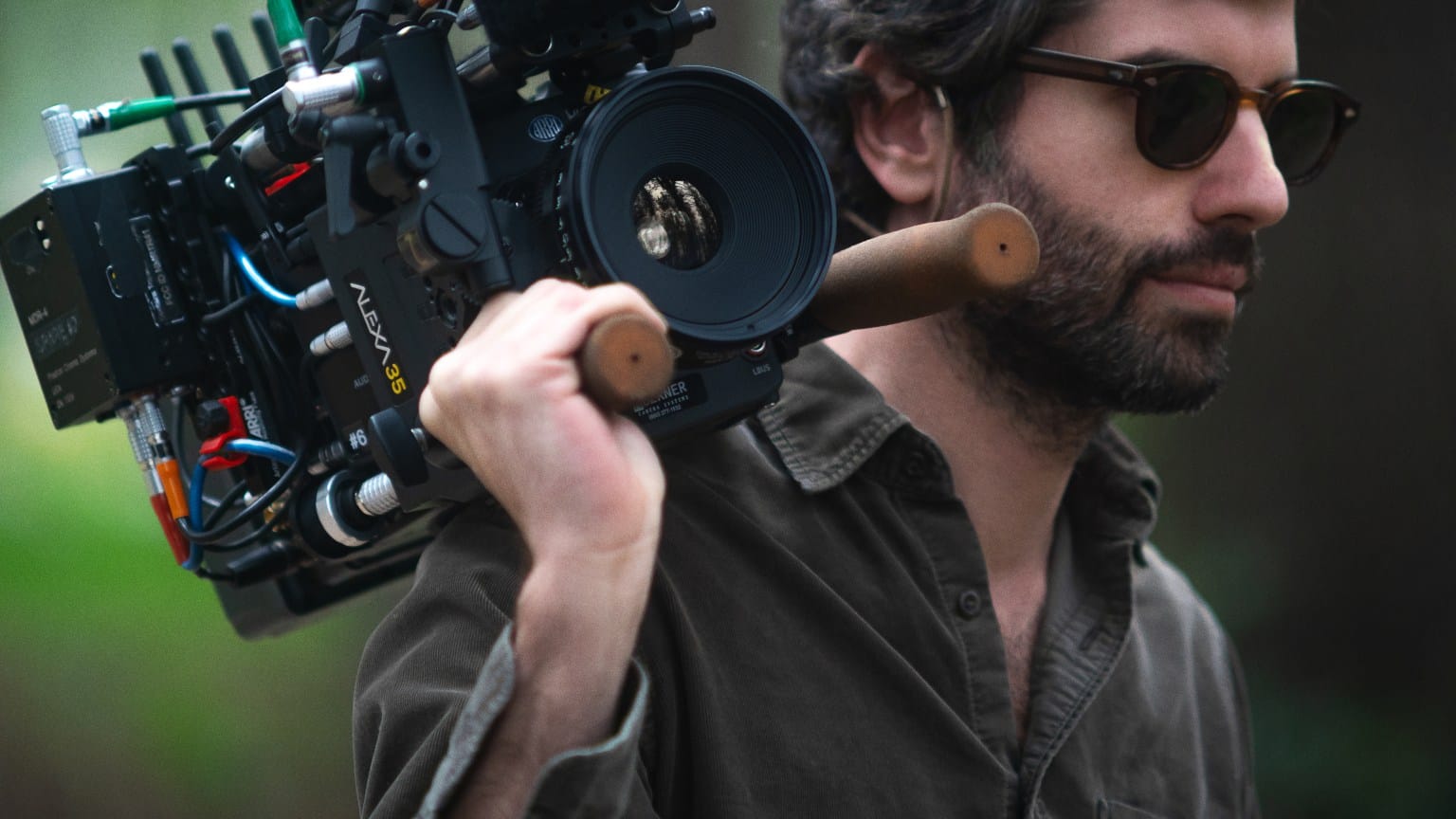
In the Netflix film, Bentley describes the creative freedom their partnership gives him. Veloso explains why a small, mobile camera mattered: it let him fit into locations and follow what was happening.
He operated the camera himself. That keeps the conversation about his work close to performance, rather than treating cinematography as a look applied from a distance.
The candlelight still needed a crew
Natural light did not mean leaving everything untouched. In Netflix’s candle rig demonstration, Veloso shows a device built to strengthen and soften candlelight while retaining its colour and flicker.
Multiple candles could cast distracting shadows across faces. Diffusion helped soften them. For closer shots, the team could replace the visible table candles with the rig.
Veloso credits Kevin Cook and Ryan Fritz with making the approach possible. Filmmaker identifies Cook as the gaffer and Fritz as the key grip. The warmth on screen came from their practical collaboration.
The approach also had exceptions. In the earlier Netflix featurette, Veloso explains that the huge forest fire could not be staged for real, so that sequence required substantial artificial lighting. The aim was a convincing world, with the technique chosen for the scene.
Recognition, then a very different room
Train Dreams earned Veloso the 2026 Film Independent Spirit Award for cinematography and an Oscar nomination. The Academy’s record lists him as a nominee; Autumn Durald Arkapaw won for Sinners.
Screen International’s October 2026 interview identifies him as the first Brazilian nominated in the cinematography category. It also shows why his next chapter cannot be reduced to repeating beautiful forest images.
- Queen at Sea: working with Lance Hammer, he used a largely static camera inside a narrow London house. Its confined spaces called for a different rhythm from the wilderness of Train Dreams.
- Petrol: Screen reports that he is filming Jess Kohl’s debut feature in England, extending her story of a father and son in banger racing.
- Remain: he has worked with M. Night Shyamalan, bringing his own resourcefulness to an established director’s visual language.
The official Remain site confirms Veloso as director of photography. Its promotional material points to February 2027, so the film belongs to the next stage of his career, not a list of completed releases audiences have already seen.
From a real racecourse to a period cabin and a cramped London home, the surroundings keep changing. The through line is his interest in how a camera can stay close to people without taking over the space they need to perform.
A few useful distinctions
Was Train Dreams Adolpho Veloso’s first feature?
No. His feature career began earlier with Asco, and Jockey was his US feature debut. Train Dreams brought a new level of recognition to an existing career.
Did he win the cinematography Oscar?
He was nominated in 2026. His cinematography win that year included the Film Independent Spirit Award.
Was Train Dreams filmed entirely with natural light?
No. Natural light, candles and fire were central to the approach, but the forest fire sequence used artificial lighting.
Where can you find his own work and accounts?
His official portfolio collects films, commercials and music videos. His contact page links directly to @adolphoveloso on Instagram. His IMDb filmography identifies the cinematographer behind Jockey, Train Dreams and Queen at Sea.
For another story about the people and decisions behind an image, read how The Social Network was made, including Jeff Cronenweth’s collaboration with David Fincher.
If you are making a film of your own, you can create a free Vidreno account to explore the platform.